Understanding Ulcerative Colitis
Introduction to Ulcerative Colitis
An Inflamed Colon
Ulcerative colitis, often called UC, is a chronic condition that causes inflammation in the large intestine. It’s one of the two main types of inflammatory bowel disease, or IBD. The other is Crohn's disease.
Chronic
adjective
A condition or disease that is persistent or otherwise long-lasting in its effects.
In ulcerative colitis, the immune system mistakenly attacks the lining of the colon and rectum, causing long-lasting inflammation and ulcers, which are small sores. Unlike Crohn's disease, which can affect any part of the digestive tract in patches, UC's inflammation is continuous. It almost always begins in the rectum and can spread upward into the colon.
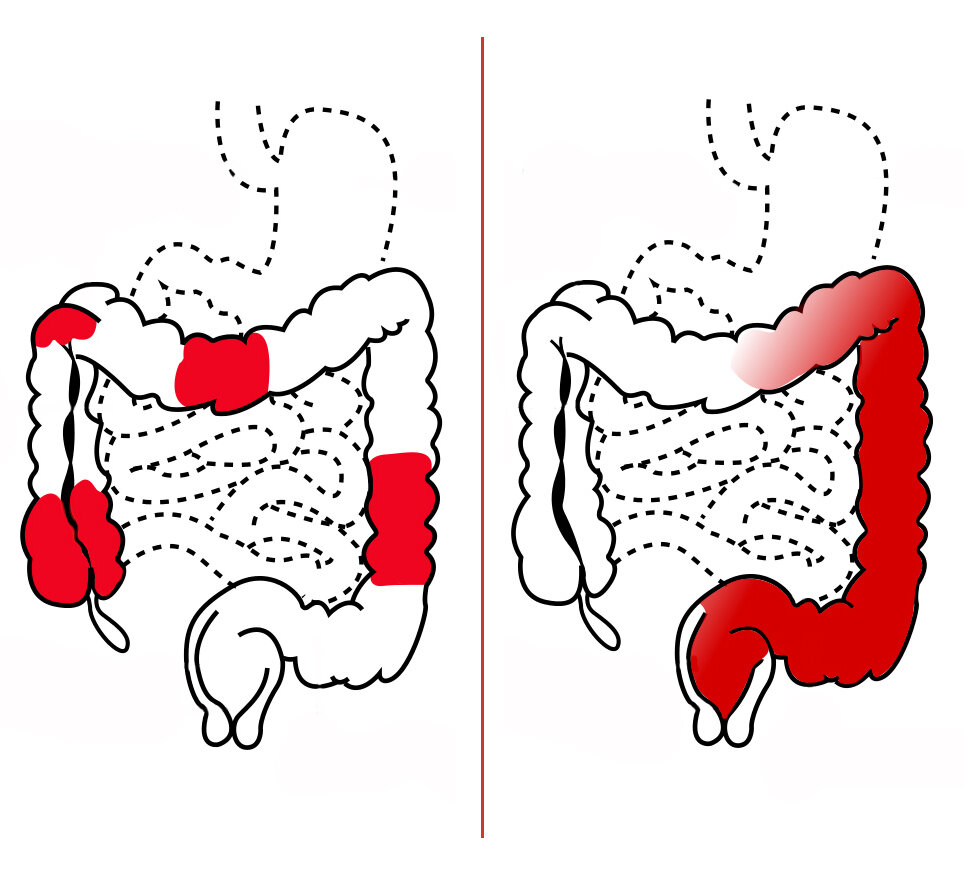
Another key feature of UC is that it only affects the mucosa, which is the innermost lining of the intestinal wall. The inflammation doesn't typically extend into the deeper layers of the bowel wall.
Who Gets Ulcerative Colitis?
Ulcerative colitis can develop at any age, but it is most often diagnosed in people between the ages of 15 and 30. There's also a smaller peak in diagnoses for people over 60.
The condition affects men and women at roughly equal rates. It's more common in developed countries, particularly in North America and Europe, and it appears to be more prevalent among people of Ashkenazi Jewish descent. While its exact cause is unknown, genetics can play a role, as it sometimes runs in families.
Impact on the Digestive System
The primary role of the large intestine is to absorb water from undigested food and store stool before it's eliminated. The constant inflammation from ulcerative colitis disrupts these normal functions.
When the lining of the colon is inflamed and ulcerated, it can't absorb water properly. The ulcers can also bleed and produce pus and mucus. This leads to the main symptoms of the disease, like diarrhea, abdominal pain, and rectal bleeding.
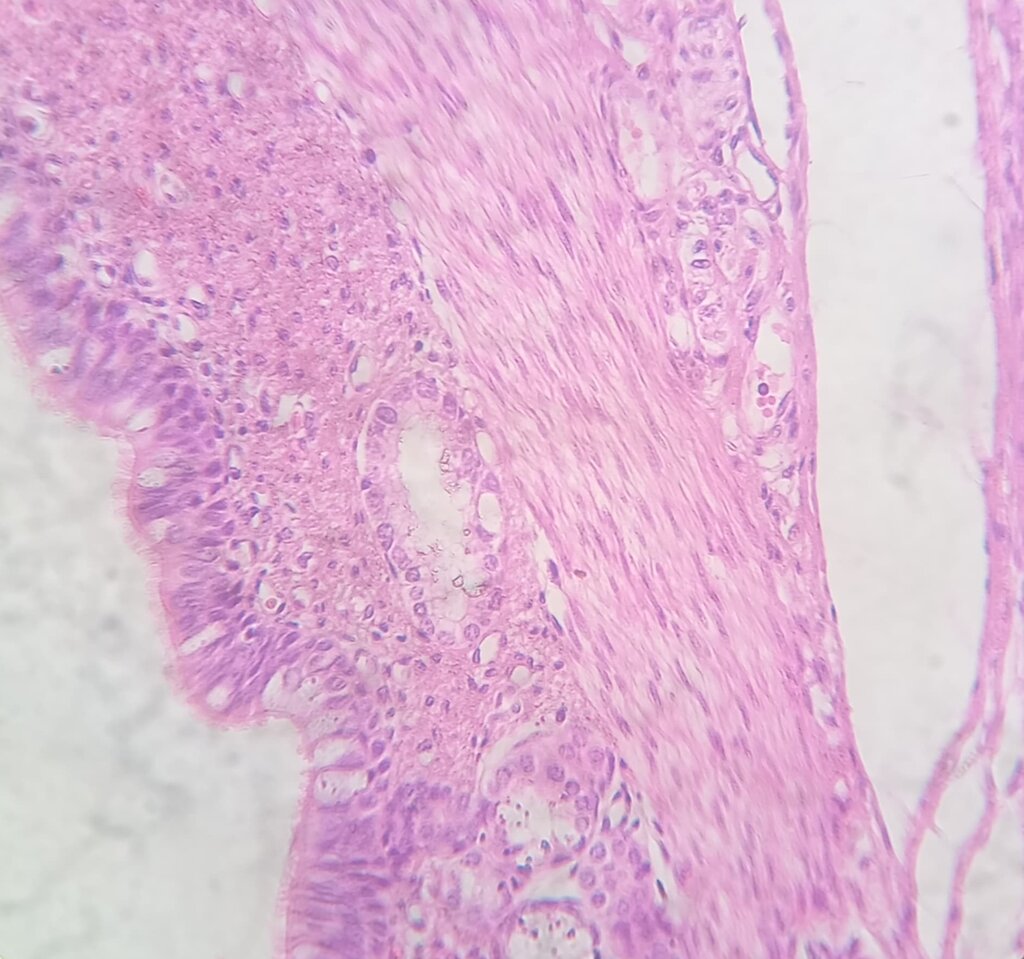
The extent of the inflammation determines the type of ulcerative colitis. If it's confined to the rectum, it's called proctitis. If it involves the rectum and the lower part of the colon (the sigmoid colon), it's known as proctosigmoiditis. When the entire colon is affected, it's called pancolitis.
The severity and location of the inflammation can change over time, with periods of active symptoms (flares) and periods of remission where symptoms subside. Understanding the nature of this chronic inflammation is the first step in learning how to manage the condition.