Understanding UK Policy Making
UK Political System
Crown, Commons, and Country
The United Kingdom's political system is a unique blend of ancient tradition and modern democracy. At its heart, it's a constitutional monarchy with a parliamentary democracy. This means that while a monarch is the head of state, the real political power rests with a government that answers to an elected parliament.
Think of it this way: the monarch is the symbol of the country, a figurehead representing national unity and tradition. The Prime Minister, on the other hand, is the head of the government, responsible for the day-to-day running of the country. The monarch reigns, but the government rules.
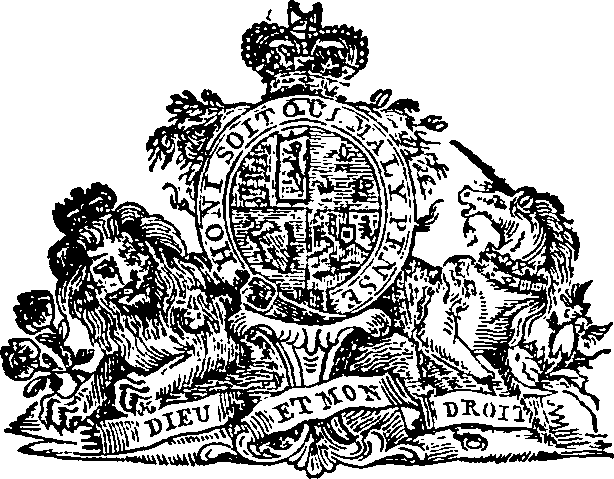
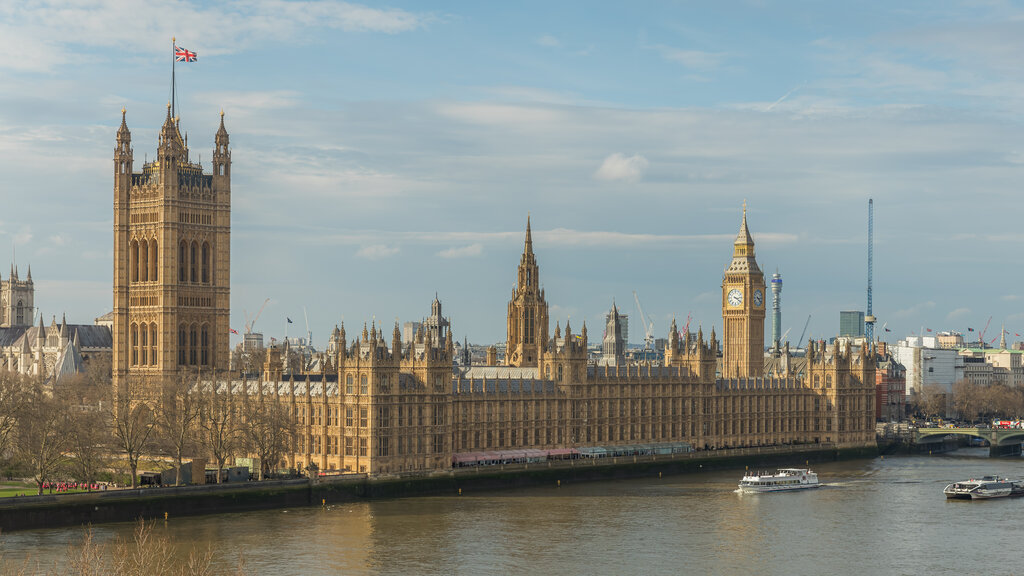
The Houses of Parliament
The center of political power in the UK is Parliament, which is responsible for making laws, examining the work of the government, and debating current issues. It's bicameral, meaning it has two chambers: the House of Commons and the House of Lords. Both are located in the Palace of Westminster.
The House of Commons is where the real legislative muscle lies. It is made up of 650 Members of Parliament (MPs), each elected by voters in a specific geographical area, or constituency. Because it is a democratically elected body, it has the final say on laws and taxes.
The House of Lords is the second chamber. Its members, known as peers, are not elected. They are mostly appointed for their expertise in fields like business, culture, science, and public service. This group includes life peers (appointed for their lifetime), a small number of hereditary peers, and senior bishops of the Church of England.
The main job of the Lords is to act as a revising chamber. It scrutinizes bills passed by the Commons, suggesting amendments and improvements. While it can delay legislation, it generally cannot block the will of the elected House of Commons.
Forming a Government
After a general election, the political party that wins the most seats in the House of Commons usually forms the government. The leader of that party is appointed Prime Minister by the monarch. The Prime Minister is the most powerful figure in the British political system.
Once in office, the Prime Minister selects a team of senior ministers to form the Cabinet. Each Cabinet minister is responsible for a specific government department, such as the Treasury (finance), the Home Office (internal affairs and security), or the Department of Health. Together, they direct government policy and make key decisions.
Devolved Administrations
While the UK Parliament in Westminster makes decisions for the entire country on matters like defense and foreign policy, some powers have been transferred to national parliaments and assemblies in other parts of the UK. This is called devolution.
Scotland, Wales, and Northern Ireland each have their own elected legislatures:
- The Scottish Parliament in Edinburgh
- The Senedd (Welsh Parliament) in Cardiff
- The Northern Ireland Assembly in Belfast
These bodies have the power to make laws on a range of "devolved" matters, such as education, health, and agriculture, for their respective parts of the country. This system allows for policies to be tailored to local needs while maintaining the overall unity of the United Kingdom.
Relations between the UK government and the devolved governments rely on convention.
Now that you've got a handle on the key structures, test your understanding of how the UK government works.
In the United Kingdom's political system, what is the primary role of the monarch?
The UK Parliament is bicameral, meaning it has two chambers. What are they called?
Understanding this framework of monarchy, parliament, and devolved powers is the first step to grasping how decisions are made in the United Kingdom.