Understanding UK Common Law
Origins of Common Law
After the Conquest
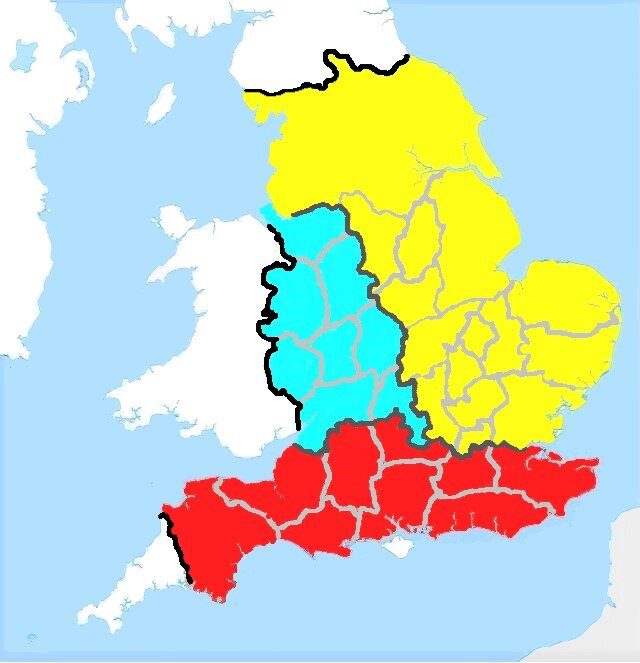
Before 1066, England didn't have a single, unified legal system. Instead, law was a patchwork of local customs. What was legal in one shire might be illegal in another. This system reflected the fragmented nature of Anglo-Saxon England, which was divided into regions with distinct traditions, like Wessex, Mercia, and the Danelaw.
Everything changed with the Norman Conquest. When William the Conqueror seized the English throne in 1066, he didn't just bring a new ruling class; he laid the groundwork for a new legal order. To consolidate his power and govern his new kingdom effectively, he needed a more centralized system.
The King's Court
The key to this new order was the King's Court, or Curia Regis. This was the king's own council, made up of his most powerful nobles and officials. It functioned as both an administrative body and a court of law. Initially, it only handled disputes involving the king or his most important subjects, but its influence grew rapidly.
By establishing a powerful central court, the Norman kings began to chip away at the authority of the old local courts. For the first time, there was a single source of royal justice that could, in theory, apply to anyone in the kingdom. This was a radical departure from the localized customs of the Anglo-Saxon era.
The Curia Regis centralized legal authority, creating a single point of justice that superseded local traditions.
To extend the reach of the King's Court, Henry I and his successors began sending judges out from London to hear cases in the countryside. These traveling, or itinerant, judges were a critical innovation. They didn't apply the local customs of the shires they visited. Instead, they applied the law as it was practiced in the King's Court at Westminster.
As these judges traveled from town to town, they shared their decisions and rulings with one another. Over time, this process created a consistent set of legal principles that was common to the entire kingdom. This was the birth of common law.
A Mix of Old and New
The Normans didn't wipe the slate clean. They blended their own customs, particularly those related to land ownership and feudalism, with existing Anglo-Saxon traditions. They also introduced new legal procedures, like trial by combat. The language of the law changed, too. For centuries, Norman-French became the language of the courts and legal documents.
Norman French, not English, was the language of the ruling elite in England for centuries after the Norman Conquest—after 1066, no English monarchs spoke English as their primary language until Henry IV’s coronation in 1399.
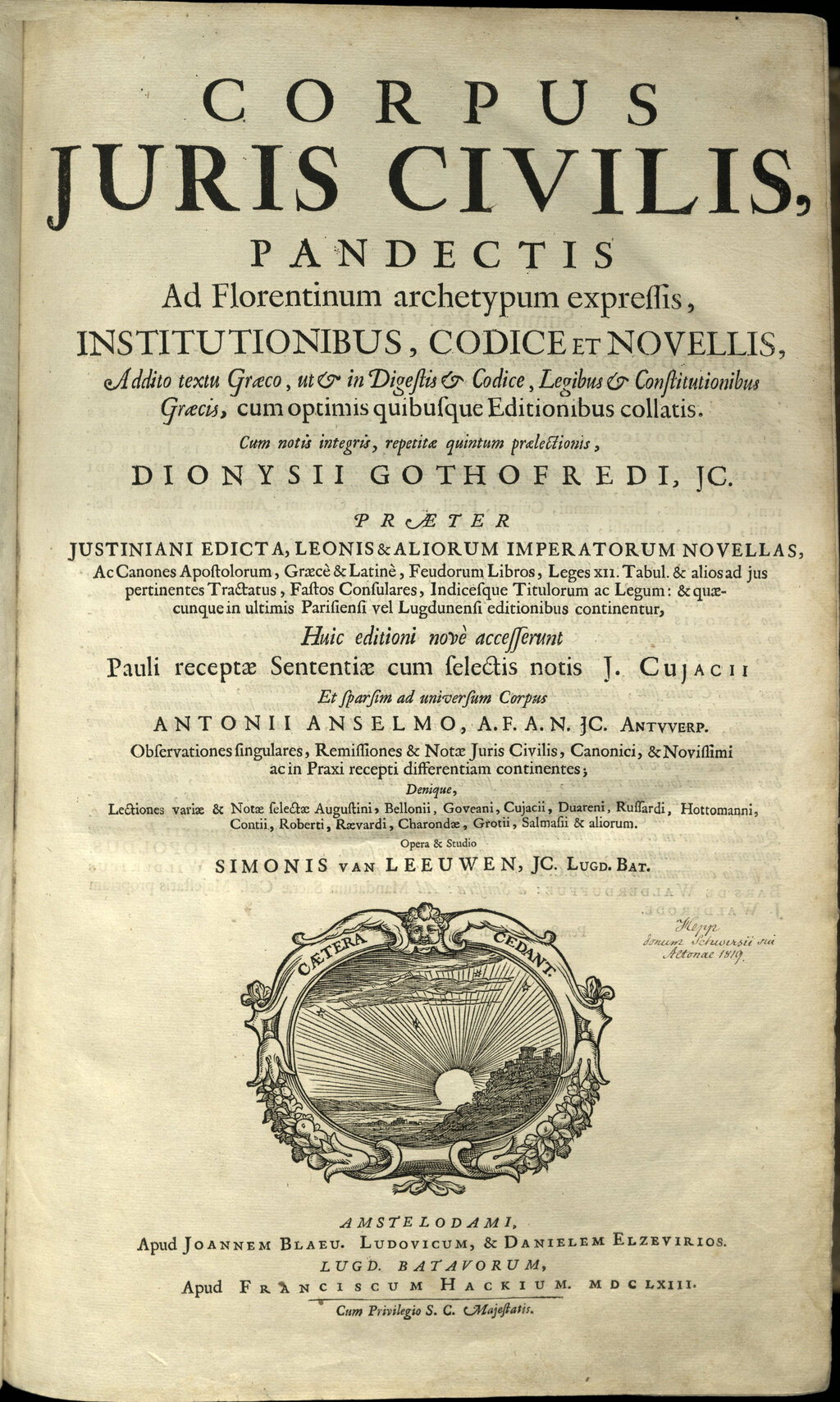
Interestingly, while the rest of Europe was rediscovering and adopting Roman law, England went its own way. Roman law, codified in texts like the Corpus Juris Civilis, was systematic and logical. But by the time it began to spread across the continent in the 12th century, England's common law system was already well-established. The King's Court and its itinerant judges had created a homegrown legal tradition that was strong enough to resist outside influence.
This unique path of development, born from the Norman Conquest, is why the English legal system and its descendants—including the system in the United States—are so different from the civil law systems of Europe.
Ready to test your knowledge?
What best describes the legal system in Anglo-Saxon England, before the Norman Conquest of 1066?
What was the key institution established by the Norman kings to centralize royal justice?