Understanding Tzield
Introduction to Tzield
A New Guard for the Pancreas
For decades, managing type 1 diabetes (T1D) meant one thing: replacing the insulin the body could no longer make. But in late 2022, a new approach emerged. A drug called Tzield (teplizumab-mzwv) became the first-ever therapy approved to delay the onset of full-blown, or Stage 3, type 1 diabetes.
Instead of just managing symptoms, Tzield is a disease-modifying therapy. It works by intervening in the autoimmune process that causes T1D. It belongs to a class of drugs known as monoclonal antibodies.
antibody
noun
A protein produced by the immune system that identifies and neutralizes foreign objects like bacteria and viruses.
Monoclonal antibodies are lab-created proteins that act like natural antibodies. They are engineered to recognize and attach to a very specific target. In Tzield's case, the target is a protein on the surface of certain immune cells.
Calming the Attack
Type 1 diabetes begins when the immune system mistakenly attacks the body's own beta cells in the pancreas. These are the cells responsible for producing insulin. Think of it as a friendly fire incident, where the body’s own defense forces turn against a vital organ.
The soldiers leading this mistaken assault are a type of white blood cell called T-cells. Tzield works by targeting a protein on these T-cells called CD3.
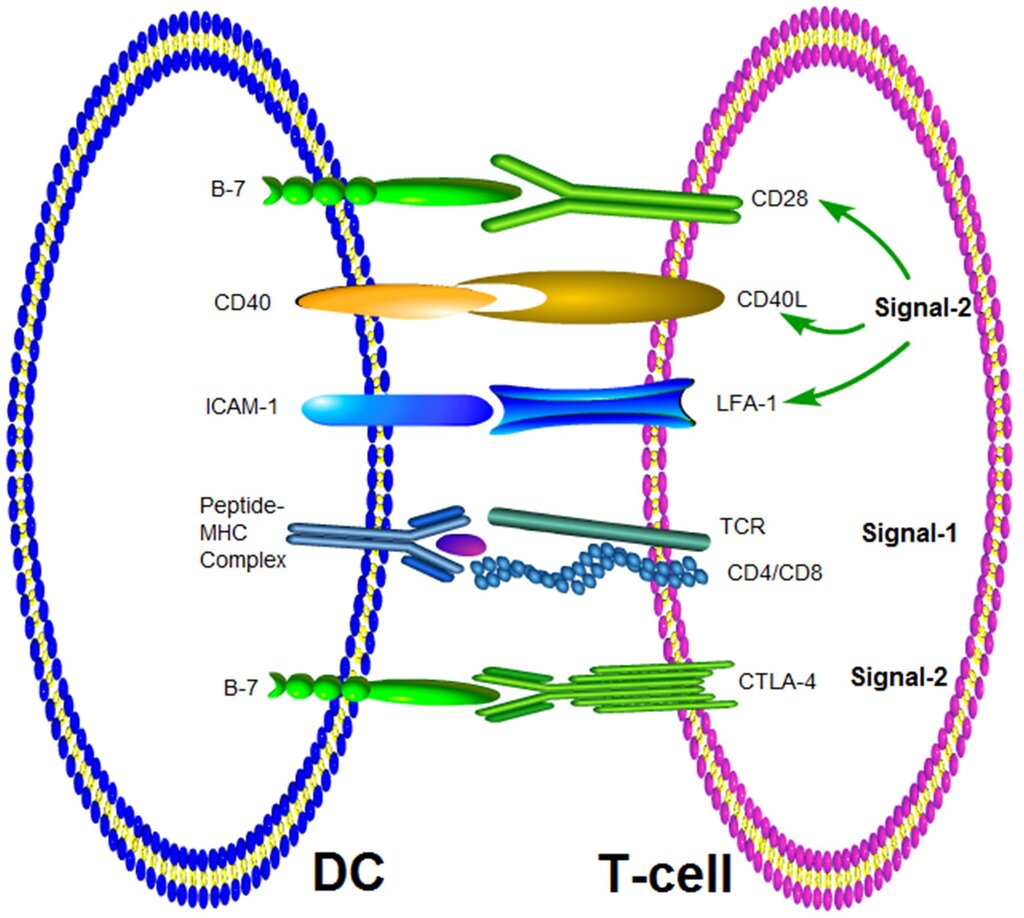
By binding to CD3, Tzield helps to retrain these overactive T-cells. It doesn't wipe them out completely. Instead, it seems to partially disarm the aggressive T-cells that are attacking the pancreas and may help increase the number of other T-cells that protect against the attack.
This action calms the autoimmune assault, giving the remaining beta cells a chance to survive and continue producing insulin for longer. The goal isn't to cure the disease, but to press pause on its progression.
Tzield helps modulate the immune system to slow the destruction of insulin-producing beta cells.
Who Can Use Tzield?
Tzield is not for everyone with diabetes. Its approval is very specific. It’s for adults and children aged 8 and older who have been diagnosed with Stage 2 type 1 diabetes.
What does Stage 2 mean? It’s a transitional phase. A person in Stage 2 has the autoantibodies that signal an immune attack on the pancreas and has abnormal blood sugar levels, but they don't yet have the full-blown symptoms of Stage 3 T1D that require insulin injections. They are, in a sense, on the verge of developing the clinical disease.
For these individuals, Tzield offers a window of opportunity, delaying the need for daily insulin shots and the constant monitoring that comes with a Stage 3 diagnosis.
This represents a major shift in how we approach type 1 diabetes, moving from reaction to proactive intervention.