Understanding Type 1 Spinal Muscular Atrophy
Introduction to SMA
The Nerve Cells That Move Us
Spinal Muscular Atrophy, or SMA, is a genetic disease that affects the nerve cells controlling voluntary muscle movement. These specialized cells are called motor neurons. They act as messengers, carrying signals from the brain and spinal cord to muscles throughout the body, telling them when to contract and relax.
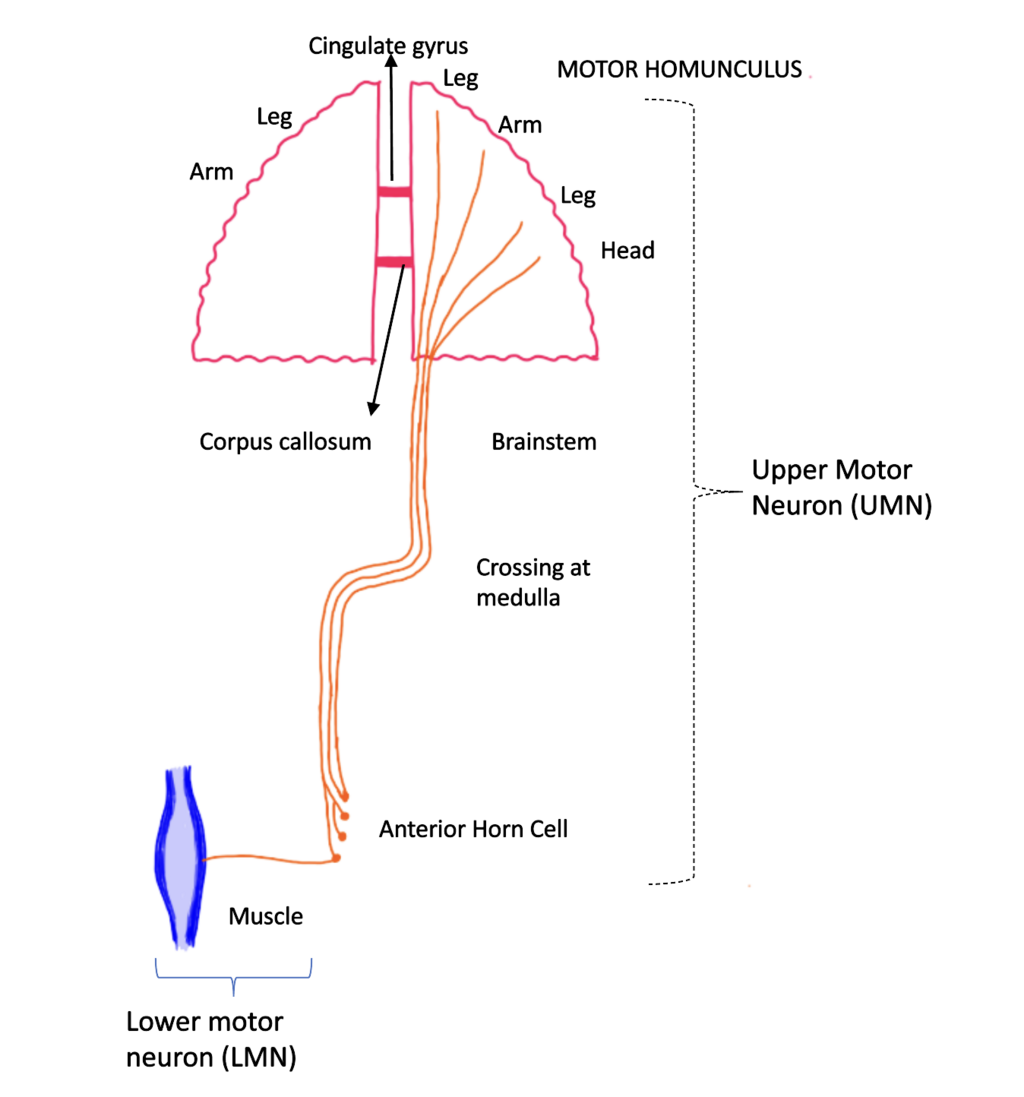
When motor neurons are damaged, the messages can't get through. Muscles don't receive the signals they need to function, so they gradually weaken and waste away, a process called atrophy. This loss of muscle control is the hallmark of SMA.
motor neuron
noun
A nerve cell forming part of a pathway along which impulses pass from the brain or spinal cord to a muscle or gland.
A Spectrum of Severity
SMA isn't a single condition but a spectrum. It's classified into several types based on the age when symptoms first appear and the highest physical milestone a person achieves. The types range from Type 0 (the most severe, with onset before birth) to Type 4 (the mildest, with onset in adulthood).
The most common and severe form is Type 1 SMA, also known as Werdnig-Hoffmann disease.
Characteristics of Type 1 SMA include onset before six months of age, severe and progressive muscle weakness, and a general lack of muscle tone, often described as being "floppy."
Infants with Type 1 SMA have difficulty with basic movements like lifting their head, swallowing, and breathing. Due to the profound muscle weakness, they are typically unable to sit up without support.
The Genetic Root
At its core, SMA is caused by a problem with a specific gene: Survival of Motor Neuron 1, or SMN1. This gene provides the instructions for making SMN protein, which is essential for the health and survival of motor neurons. Most people have two working copies of the SMN1 gene.
In people with SMA, both copies of the SMN1 gene are mutated or missing, so they can't produce enough functional SMN protein. Without this vital protein, motor neurons in the spinal cord begin to die.
Fortunately, our bodies have a backup plan, a gene called SMN2. Nearly everyone has at least one copy of SMN2, and it's very similar to SMN1. However, due to a small difference in its genetic code, the SMN2 gene mostly produces a shorter, unstable SMN protein that is quickly broken down. Only about 10% of the protein it makes is the full-length, functional version.
This is why the number of SMN2 gene copies a person has can significantly impact their condition. While the SMN2 gene cannot fully compensate for the missing SMN1 gene, having more copies generally leads to more functional SMN protein and, consequently, a milder form of SMA.