Understanding Turtles
Turtle Anatomy
The Turtle's Shell
A turtle's most recognizable feature is its shell, a remarkable feat of natural engineering. It’s not a house a turtle can crawl out of; it's an integral part of its skeleton. The shell is made of bone and cartilage and has two main parts.
The top, domed part is called the carapace. The flat bottom part is the plastron. The two are connected on the sides by a bony bridge.
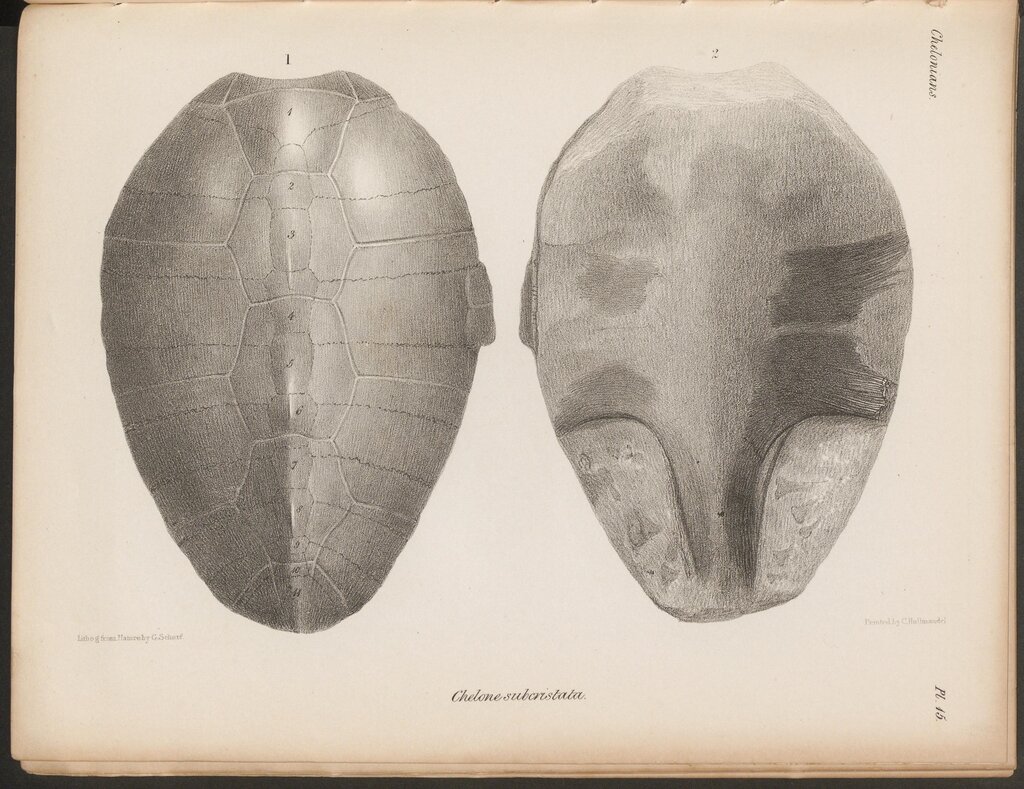
What's truly fascinating is how the shell is fused with the rest of the skeleton. The turtle's backbone and ribs are incorporated directly into the carapace, providing a solid, protective structure. This fusion is why a turtle can never leave its shell behind.
The outer layer of the shell is covered in large scales called scutes. These are made of keratin, the same protein found in human fingernails. The scutes provide an extra layer of durable protection and can often help in identifying different turtle types.
Built for the Journey
Turtle limbs are wonderfully adapted to their environment. Their legs and feet reveal a lot about where and how they live.
Land-dwelling tortoises have thick, sturdy, elephant-like legs to support their heavy bodies and shells. Freshwater turtles have webbed feet that act like paddles, perfect for navigating ponds and rivers. Sea turtles have taken this a step further, evolving their limbs into powerful flippers for efficient long-distance swimming in the open ocean.
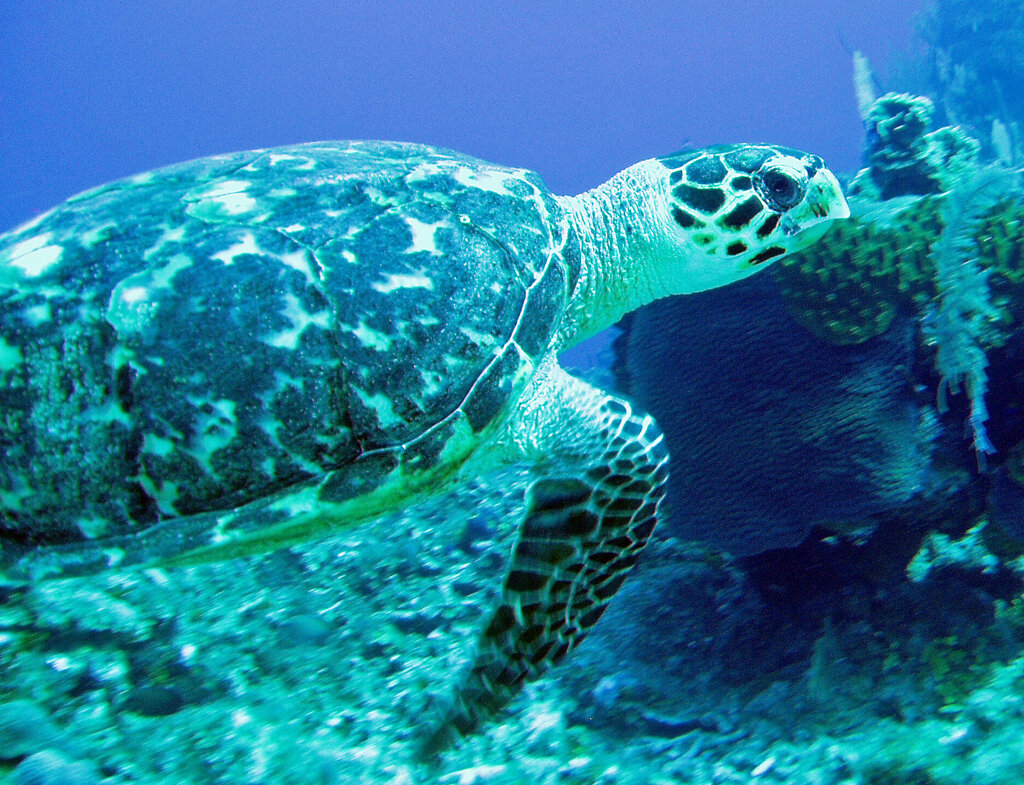
These specializations show how a single body plan can be modified for vastly different lifestyles, from walking on the forest floor to gliding through coral reefs.
A Look Inside
The rigid shell that provides so much protection also places unique constraints on a turtle's internal anatomy. For example, how does an animal in a solid box breathe? Turtles can't expand and contract their chests like we do. Instead, they use special muscles inside the shell to pull their organs in different directions, which in turn forces air into and out of their lungs. It's like an internal bellows system.
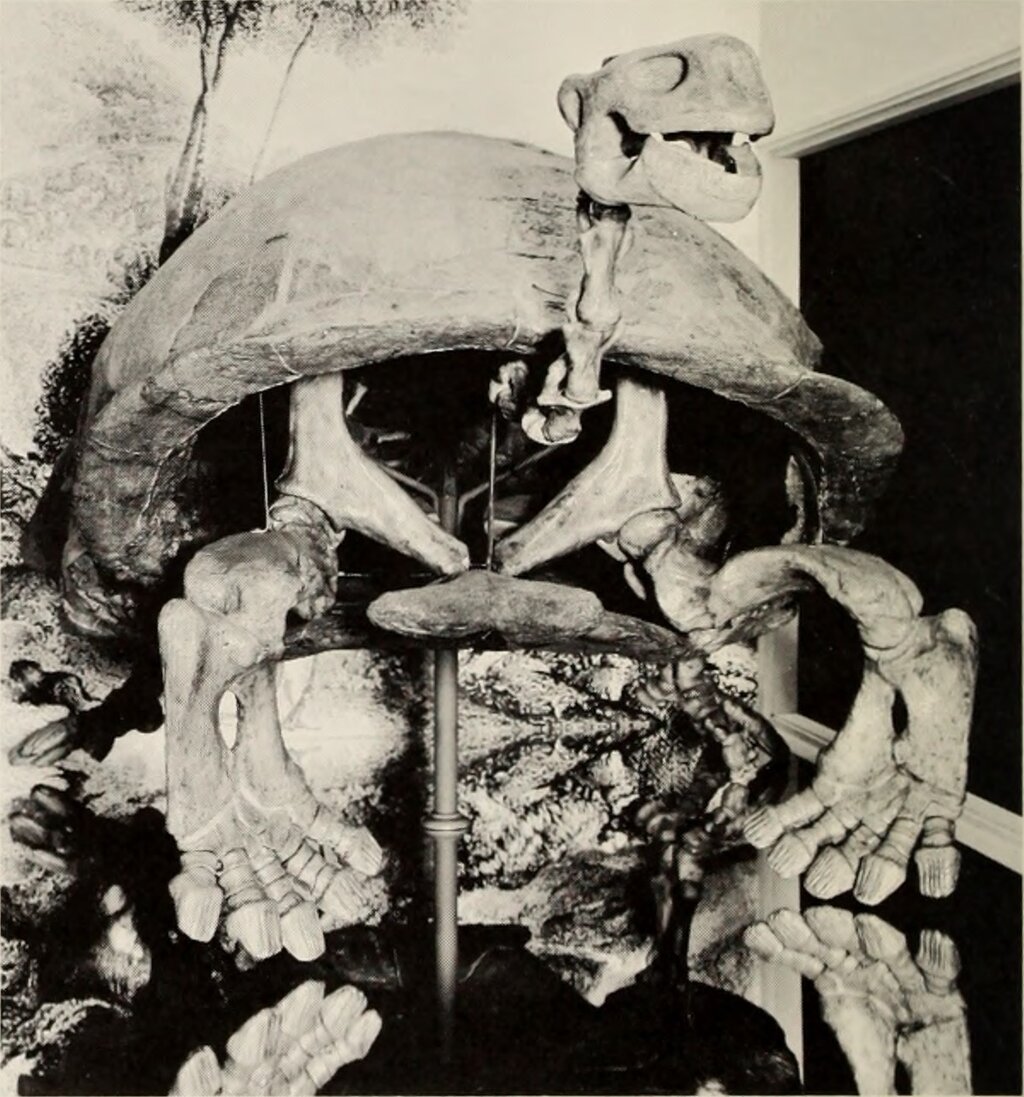
Their other organ systems, including the digestive, circulatory, and reproductive systems, are all compactly arranged within the protective cavity of the shell. The turtle's spine is fused to the top of the shell, so the spinal cord runs along the roof of the body cavity. The pelvic and shoulder girdles are also located inside the ribcage, a unique arrangement among vertebrates that allows the legs and head to retract into the shell for safety.
Ready to test your knowledge?
What is the primary composition of a turtle's shell, underneath the outer scutes?
True or False: A turtle's shoulder and pelvic girdles are located outside of its ribcage, similar to other vertebrates.
Understanding a turtle's anatomy reveals a story of adaptation. Every feature, from the bony shell to the shape of its feet, is a solution to the challenges of survival.