Understanding Trust Pilot
Introduction to Online Reviews
The New Word-of-Mouth
Think about the last time you bought something new, tried a new restaurant, or booked a hotel. Chances are, you looked up reviews online first. An online review is simply an opinion a customer shares on the internet about a product, service, or business. It's the digital version of asking a friend for a recommendation, but on a massive scale.
The main purpose of these reviews is to create a system of social proof. They help potential customers make better-informed decisions by learning from the experiences of others. For businesses, reviews offer direct feedback and a powerful way to build trust with the public.
An online review system turns individual customer experiences into a collective source of knowledge.
This idea isn't new. People have always relied on word-of-mouth. What's changed is the platform. Before the internet, you might ask a few neighbors for a good plumber. Now, you can read hundreds of reviews from people all over your city in seconds.
The earliest forms of online reviews appeared on message boards and forums in the 1990s. As e-commerce grew, dedicated platforms emerged. Sites like Yelp (founded in 2004) and TripAdvisor (founded in 2000) created centralized hubs for local business and travel reviews. Today, reviews are everywhere.
Where Reviews Live
Online reviews are no longer confined to a few niche websites. They've become an integrated part of our digital lives. You can find them across a wide range of platforms, each serving a slightly different purpose.
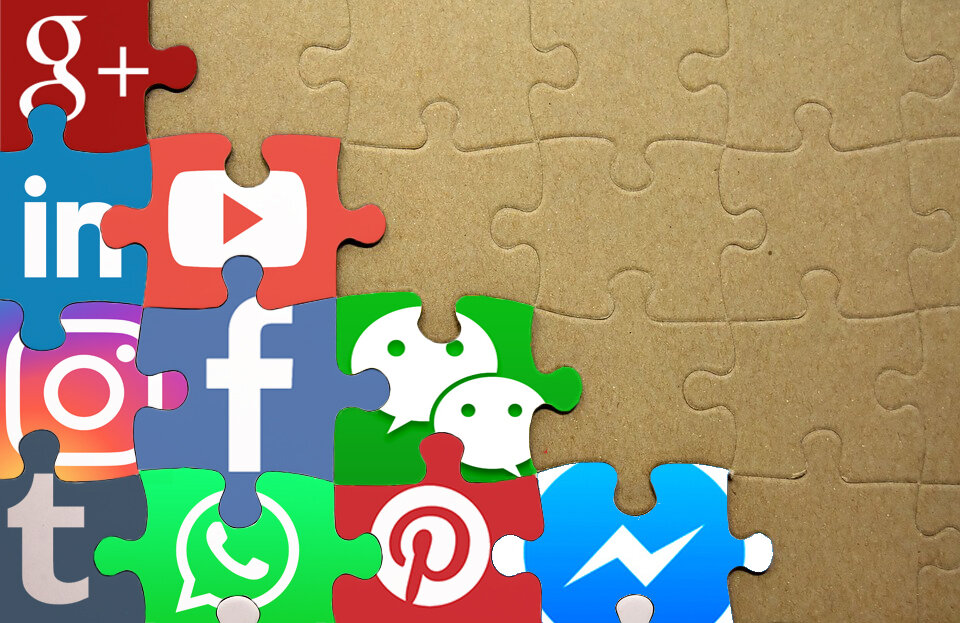
Key places to find reviews include:
- E-commerce Sites: Giants like Amazon and eBay have built-in review systems. These are often the first stop for product-specific feedback.
- Dedicated Review Platforms: Yelp focuses on local businesses like restaurants and hairdressers, while TripAdvisor is the go-to for hotels, attractions, and travel experiences.
- Search Engines: Google is a major player. Reviews left on a Google Business Profile appear directly in search results and on Google Maps, heavily influencing local traffic.
- Social Media: Facebook pages, Instagram comments, and even TikTok videos can act as informal review platforms where people share their experiences, good and bad.
Why Reviews Matter
The influence of online reviews is enormous. Studies consistently show that the vast majority of consumers—often over 90%—read online reviews before making a purchase. More importantly, most people trust them as much as personal recommendations from friends or family. This trust has a direct impact on both consumers and businesses.
Online reviews are the modern-day word-of-mouth referral, serving as powerful social proof that directly impacts both search engine rankings and a potential client’s decision-making process.
For customers, reviews provide transparency and reduce the risk of a bad purchase. They offer insights into product quality, customer service, and the overall experience, helping people spend their money wisely.
For businesses, the stakes are just as high. A steady stream of positive reviews can significantly boost sales, improve visibility in search results, and build a stellar reputation. On the other hand, negative reviews can drive away potential customers and damage a brand's credibility. Managing and responding to online reviews has become a critical part of modern business strategy.
What is the primary purpose of online reviews as described in the text?
According to the text, where did the earliest forms of online reviews first appear?
Online reviews have fundamentally changed how we shop and how businesses operate. They've democratized information, giving individual consumers a powerful voice and creating a new level of transparency in the marketplace.