Understanding Trazodone For Depression
Introduction to Trazodone
Meet Trazodone
Trazodone is a medication primarily used to treat major depressive disorder. Unlike more common antidepressants, it belongs to a class of drugs called serotonin antagonist and reuptake inhibitors, or SARIs. This name sounds complicated, but it just means Trazodone works on serotonin, a key mood-regulating chemical in the brain, in two distinct ways.
Antidepressant
noun
A type of medication used to alleviate the symptoms of depression, anxiety disorders, and other psychological conditions by affecting neurotransmitters in the brain.
Most people have heard of SSRIs, or selective serotonin reuptake inhibitors, like Prozac or Zoloft. Those drugs work by increasing the amount of available serotonin in the brain. Trazodone does that too, but it also blocks specific serotonin receptors. This dual action gives it a unique pharmacological profile.
A Brief History
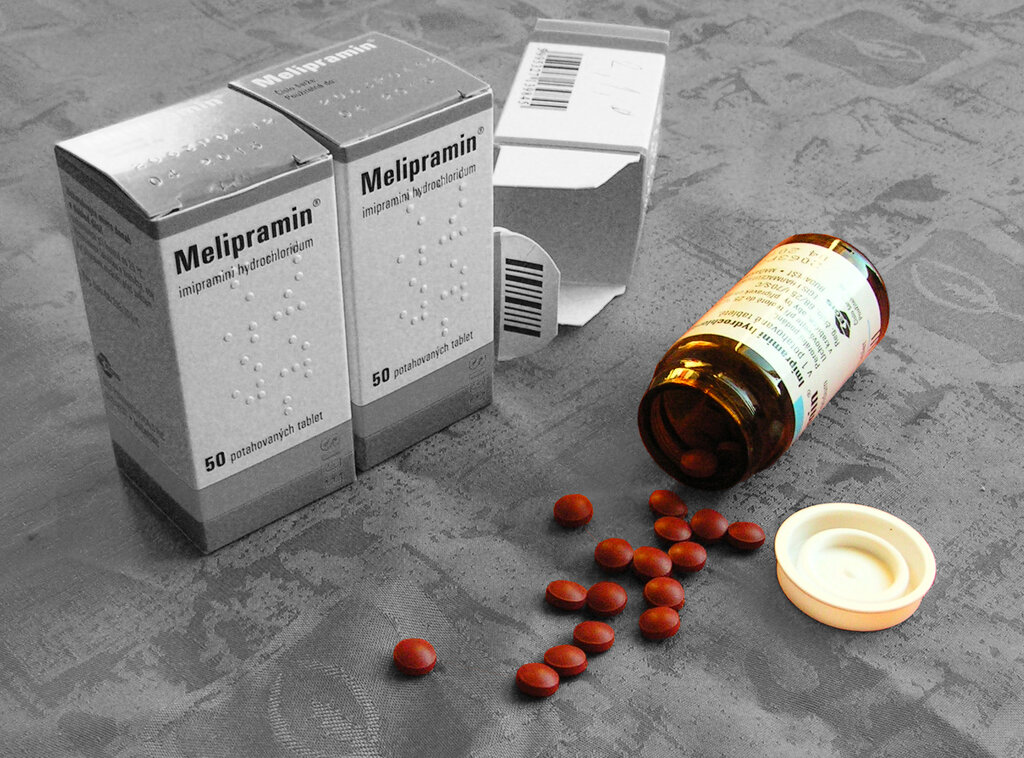
Trazodone was developed in Italy during the 1960s by Angelini Research Laboratories. At the time, the most common antidepressants were tricyclics (TCAs), which were effective but often came with a host of challenging side effects, especially for the heart.
The goal was to create a new antidepressant that was just as effective but safer for patients. After years of research, Trazodone emerged. It was approved by the U.S. Food and Drug Administration (FDA) in 1981 and was first marketed under the brand name Desyrel.
A Unique Role in Treatment
While Trazodone is an effective treatment for depression, its unique properties have carved out a special place for it in modern medicine. Its most notable side effect is sedation, which means it can make people feel drowsy. While this can be a problem for some antidepressants, it's a useful feature of Trazodone.
Because of its sedating effect, doctors often prescribe it at low doses to treat insomnia, particularly when the sleeplessness is related to depression. This sets it apart from many other antidepressants, which can sometimes interfere with sleep.
Here's a quick comparison of how Trazodone stacks up against other common classes of antidepressants:
| Antidepressant Class | Primary Action | Common Example(s) |
|---|---|---|
| SARI (Trazodone) | Blocks serotonin receptors and weakly inhibits serotonin reuptake | Trazodone |
| SSRI | Selectively blocks serotonin reuptake | Fluoxetine (Prozac), Sertraline (Zoloft) |
| SNRI | Blocks reuptake of both serotonin and norepinephrine | Venlafaxine (Effexor), Duloxetine (Cymbalta) |
| TCA | Blocks reuptake of serotonin and norepinephrine (less selective) | Amitriptyline (Elavil), Imipramine (Tofranil) |
This table shows that while several drug classes target serotonin, Trazodone's method is distinct. Its receptor-blocking activity is its defining feature, leading to its specific uses and side-effect profile, which includes a lower risk of sexual dysfunction and anxiety compared to some SSRIs.
Ready to check your understanding?
What is the primary medical condition Trazodone is officially approved to treat?
Trazodone belongs to which class of antidepressant drugs?
Trazodone's journey from a lab in Italy to a widely prescribed medication illustrates the ongoing effort to find more effective and tolerable treatments for depression.