Understanding Tonsillitis
Introduction to Tonsillitis
Your Body's First Defenders
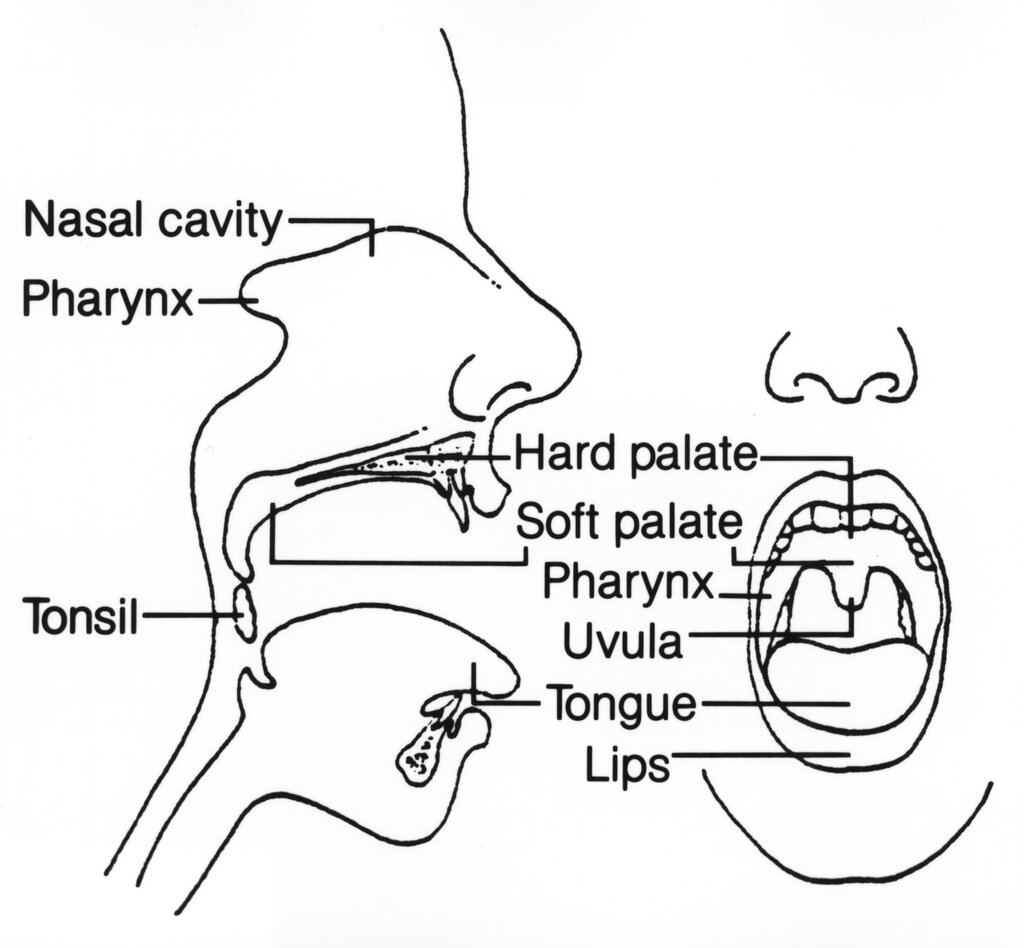
Tucked away at the back of your throat are two small, oval-shaped masses of tissue called the palatine tonsils. You can see them if you open your mouth wide and look in a mirror. They're part of a larger ring of lymphoid tissue, known as Waldeyer's ring, which encircles the pharynx (the part of the throat behind the mouth and nasal cavity).
This ring also includes the adenoids (pharyngeal tonsils), located higher up behind the nose, and the lingual tonsils, found at the base of the tongue. Together, these tissues form a strategic defensive perimeter at the main entrance to your body.
The Immune System's Gatekeepers
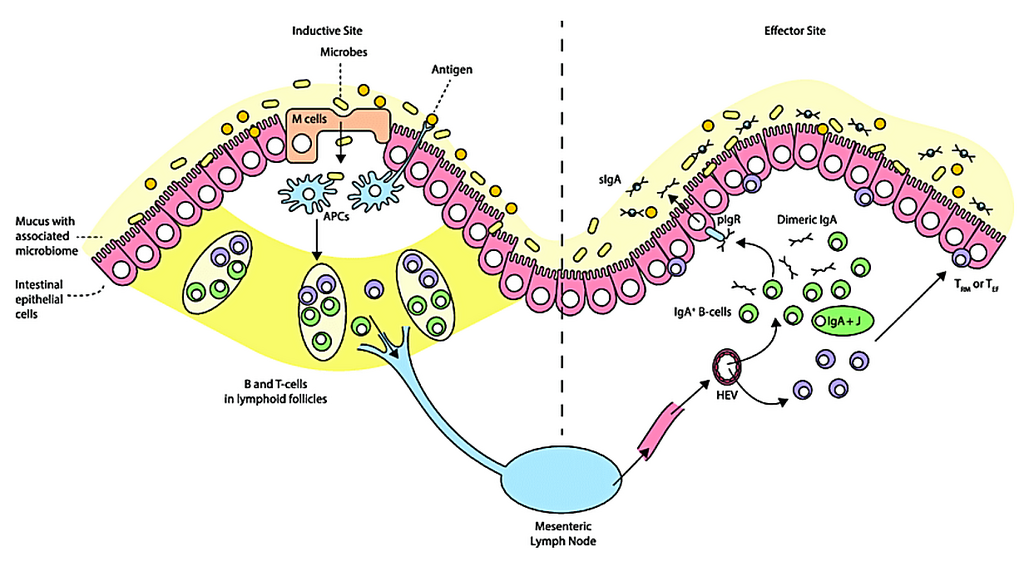
Tonsils are an important part of the lymphatic system, which helps your body fight off infection. Think of them as sentinels standing guard where your respiratory and digestive tracts begin. Their surfaces have small pits, called crypts, which increase their surface area and help trap incoming bacteria and viruses.
When pathogens are trapped, specialized immune cells within the tonsils, like lymphocytes (B-cells and T-cells), are activated. These cells identify the invaders and begin to produce antibodies, creating an immunological memory. This process helps your body recognize and fight off the same pathogen more quickly in the future. In this way, your tonsils play a key role in training your immune system, especially during childhood.
When Defenders Get Overwhelmed
Tonsillitis is simply the inflammation of the tonsils. It occurs when these gatekeepers become overwhelmed by a bacterial or viral infection. Instead of quietly handling the threat, they become infected themselves.
This inflammation is a sign that your immune system is in high gear, rushing white blood cells to the area to combat the invaders. The resulting battle causes the tonsils to swell and become red and painful. This can make swallowing difficult and cause significant discomfort. While tonsillitis signals an active immune response, the symptoms themselves can take a toll on your general health and well-being.
inflammation
noun
The body's protective response to injury or infection, characterized by redness, swelling, heat, and pain.
Now let's review the key terms we've just covered.
Ready to check your understanding?
Waldeyer's ring, a defensive perimeter in the pharynx, is primarily composed of which set of tissues?
What is the primary function of the small pits, known as crypts, on the surface of the tonsils?
Understanding the role of the tonsils as part of your immune system is the first step in learning about what happens when they become inflamed.