Understanding Tonsillectomy
Tonsil Anatomy
Guardians of the Throat
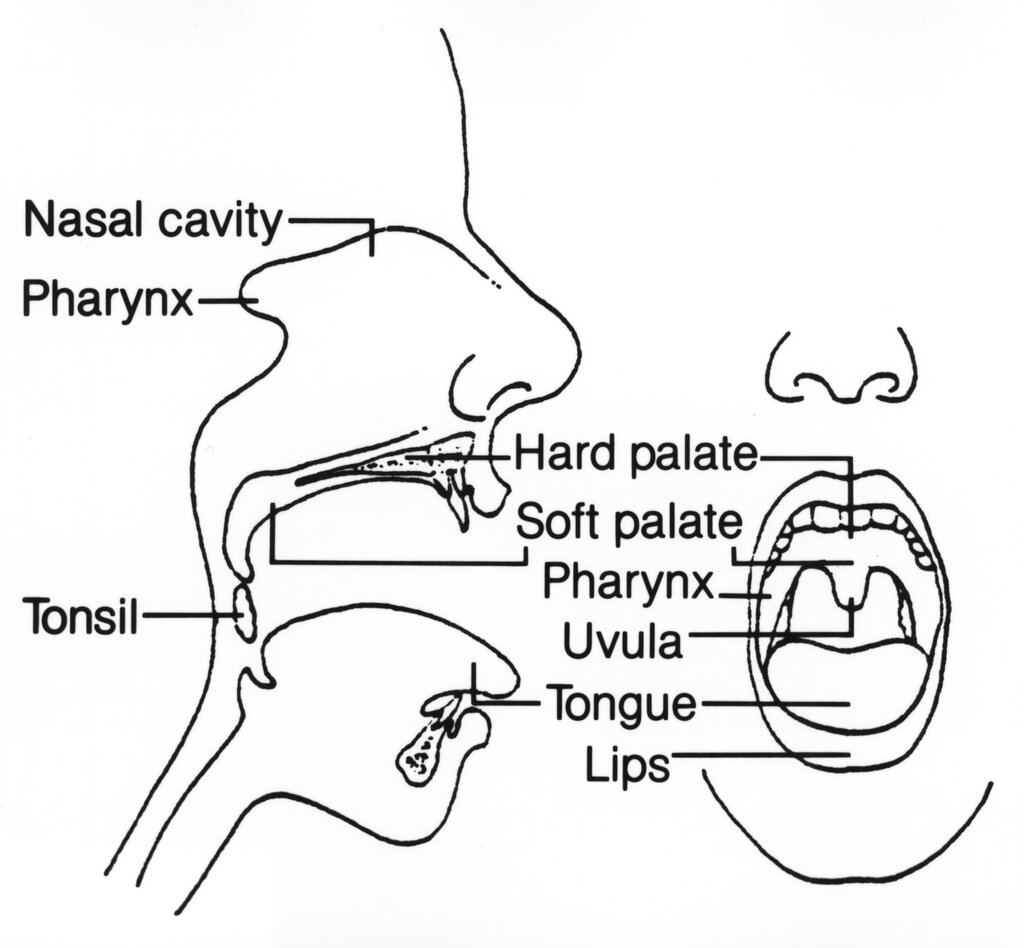
Tucked away at the back of your throat are two small, oval-shaped masses of tissue. You might only notice them when they're swollen and sore, but these are your tonsils, and they're a key part of your body's defense team.
Tonsil
noun
A mass of lymphatic tissue located in the mucous membrane of the pharynx. Tonsils are part of the body's immune system and help to fight infection.
Specifically, the ones you can see when you open your mouth wide are called the palatine tonsils. They sit on either side of the oropharynx, the part of your throat right behind your mouth. This strategic location allows them to be among the first to encounter germs that you breathe in or swallow.
An Early Warning System
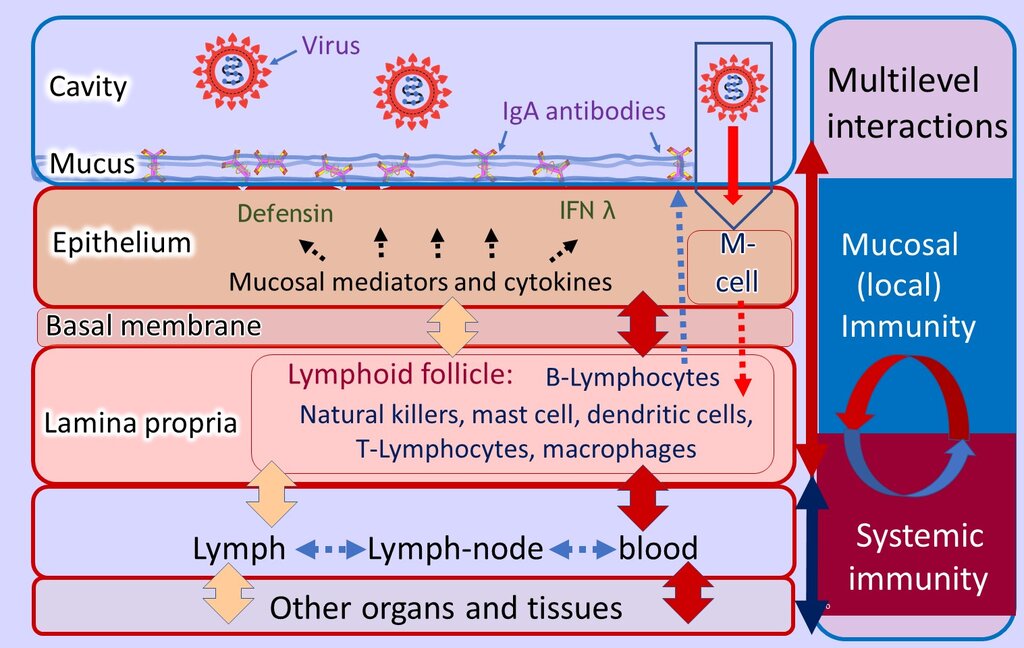
Tonsils function like sentinels at the entrance to the rest of your body. They are made of lymphatic tissue, which is rich in immune cells like lymphocytes. Their job is to sample bacteria and viruses as they enter through the mouth and nose. When they detect harmful invaders, they sound the alarm, triggering a rapid immune response.
The surface of the tonsils isn't smooth. It's covered in pits called crypts. These crypts increase the tonsils' surface area, making them more effective at trapping pathogens. Once trapped, the pathogens are analyzed by the immune cells within the tonsil tissue. This process helps your body build a memory of different germs, allowing for a quicker and more efficient response to future infections.
Think of tonsils as a training ground for your immune system, preparing it for battles against common germs.
The palatine tonsils are the most well-known, but they're not working alone. They are part of a ring of lymphatic tissue called Waldeyer's ring, which encircles the back of the throat.
| Tonsil Type | Common Name | Location |
|---|---|---|
| Pharyngeal Tonsil | Adenoids | High up in the throat, behind the nose |
| Palatine Tonsils | Tonsils | On both sides of the back of the throat |
| Lingual Tonsils | (none) | At the very back of the base of the tongue |
Together, these tissues form a protective barrier, constantly monitoring what comes into your body and launching the first wave of defense when necessary. They are most active during childhood when the immune system is still developing and learning to recognize a wide array of pathogens.
So while they can sometimes be a source of discomfort, your tonsils play a vital role in keeping you healthy, especially in your early years.