Understanding TMJ Jaw Issues
Introduction to TMJ Disorders
The Hardest Working Joint
Every time you talk, chew, yawn, or swallow, you’re using your temporomandibular joints. You have two of them, one on each side of your head, located just in front of your ears. They act like sliding hinges, connecting your lower jawbone, the mandible, to your skull.
These joints are among the most complex in the body. They have to move side to side, forward and back, and up and down, all while bearing the significant force of chewing. This flexibility allows for the wide range of motions needed for everyday activities.
A Closer Look at the TMJ
To understand how the TMJ works, let's break down its parts. The joint involves two main bones: the rounded end of your mandible, called the condyle, and a socket in the temporal bone of your skull, known as the mandibular fossa.
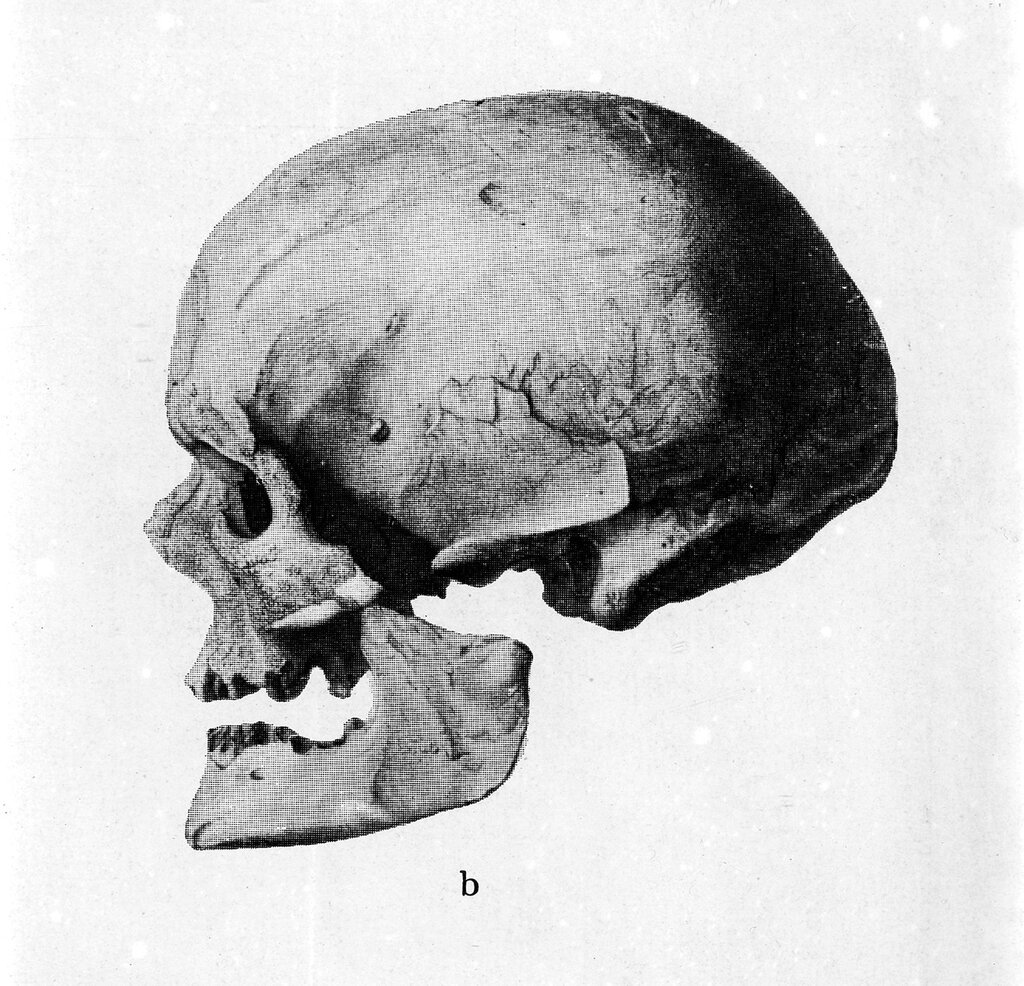
Sandwiched between these two bones is a small, soft pad of cartilage called the articular disc. This disc is crucial. It acts as a shock absorber and a cushion, preventing the bones from grinding against each other. It also helps the jaw glide smoothly during movement. A set of muscles and ligaments surround the joint, providing support and controlling its motion.
Why This Joint Matters
Because the TMJ is so central to daily functions, problems with it can have a significant impact on a person's life. These issues are collectively known as temporomandibular disorders, or TMD. While often referred to simply as "TMJ," that term technically refers to the joint itself.
TMD is a broad term for conditions affecting the jaw joint and the muscles that control chewing. It's not a single disease but a group of related problems.
These disorders are surprisingly common. It's estimated that over 10 million Americans experience TMD. The condition affects more women than men and is most frequently seen in people between the ages of 20 and 40. For most, the discomfort is temporary and can be managed with simple care, but for others, it can become a chronic issue.
Understanding the basic anatomy and function of the TMJ is the first step in recognizing when something isn't right. Knowing how this complex joint is supposed to work provides a foundation for exploring the specific symptoms and causes of TMD.