Understanding the Slang Term Gooning
Introduction to Slang Evolution
The Unofficial Dictionary
Every group has its own language. It’s a collection of inside jokes, shortcuts, and shared understandings that bond people together. This special vocabulary is called slang. It’s the language of the playground, the locker room, and the internet forum. Slang words are informal, often playful, and tend to be used by a specific group of people.
slang
noun
A type of language consisting of words and phrases that are regarded as very informal, are more common in speech than writing, and are typically restricted to a particular context or group of people.
Slang isn't new. For centuries, people have been inventing new words. Think of terms like "groovy" from the 1960s or "the bee's knees" from the 1920s. These words captured the feeling of a specific time and place. Before the internet, slang spread slowly. A new term might travel through jazz clubs, college campuses, or military barracks, passed along by word of mouth. It could take years for a word to gain widespread recognition.
The Internet Accelerator
The internet changed everything. Online communities on platforms like Reddit, TikTok, and X (formerly Twitter) act as incubators for new language. A word can be coined in a niche gaming forum in the morning and become a global meme by the evening. The life cycle of a slang term has gone from years to weeks, or even days.
The whole process of slang becoming popular and then immediately passe gets accelerated when you can spread new language around really quickly.
This rapid spread happens through a few key mechanisms. A popular streamer might use a new word, and their millions of followers pick it up. A TikTok sound can embed a phrase into the collective consciousness. Viral hashtags can launch a term into the mainstream. The spread of modern slang is less like a slow-moving wave and more like a wildfire.
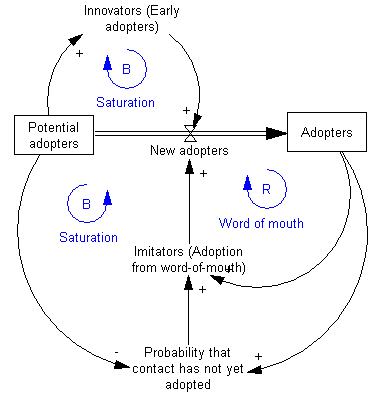
The Life Cycle of a Word
Because they spread so fast, slang terms also tend to fade quickly. Their life cycle often follows a predictable pattern.
- Creation: A term is born within a specific subculture to describe a new idea, feeling, or activity.
- Adoption: The term becomes an in-group signal. Using it correctly shows you belong.
- Crossover: The term gets picked up by the mainstream. It might appear in news articles, advertisements, or get used by people outside the original group.
- Decline: Once a term becomes too popular, it often loses its edge. The original group may abandon it because it no longer feels special or has been co-opted. It becomes "cringe."
This cycle is the engine of linguistic innovation, constantly creating new ways for people to express themselves and define their communities.
Ready to test your knowledge on how slang evolves?
What is the primary function of slang within a group?
How did the internet change the way slang spreads?