Understanding the Organization of American States
Introduction to the OAS
A Club for the Americas
Long before the United Nations existed, countries in the Americas had an idea: what if we formed a club? The goal was to talk through problems instead of fighting over them. This wasn't a new thought. Throughout the 19th century, leaders in the newly independent nations of Latin America dreamed of a unified continent.
The first real step came in 1890 with the establishment of the International Union of American Republics. It was a mouthful, so people mostly knew it by its central office: the Pan-American Union. This was the seed that would eventually grow into a much bigger organization.
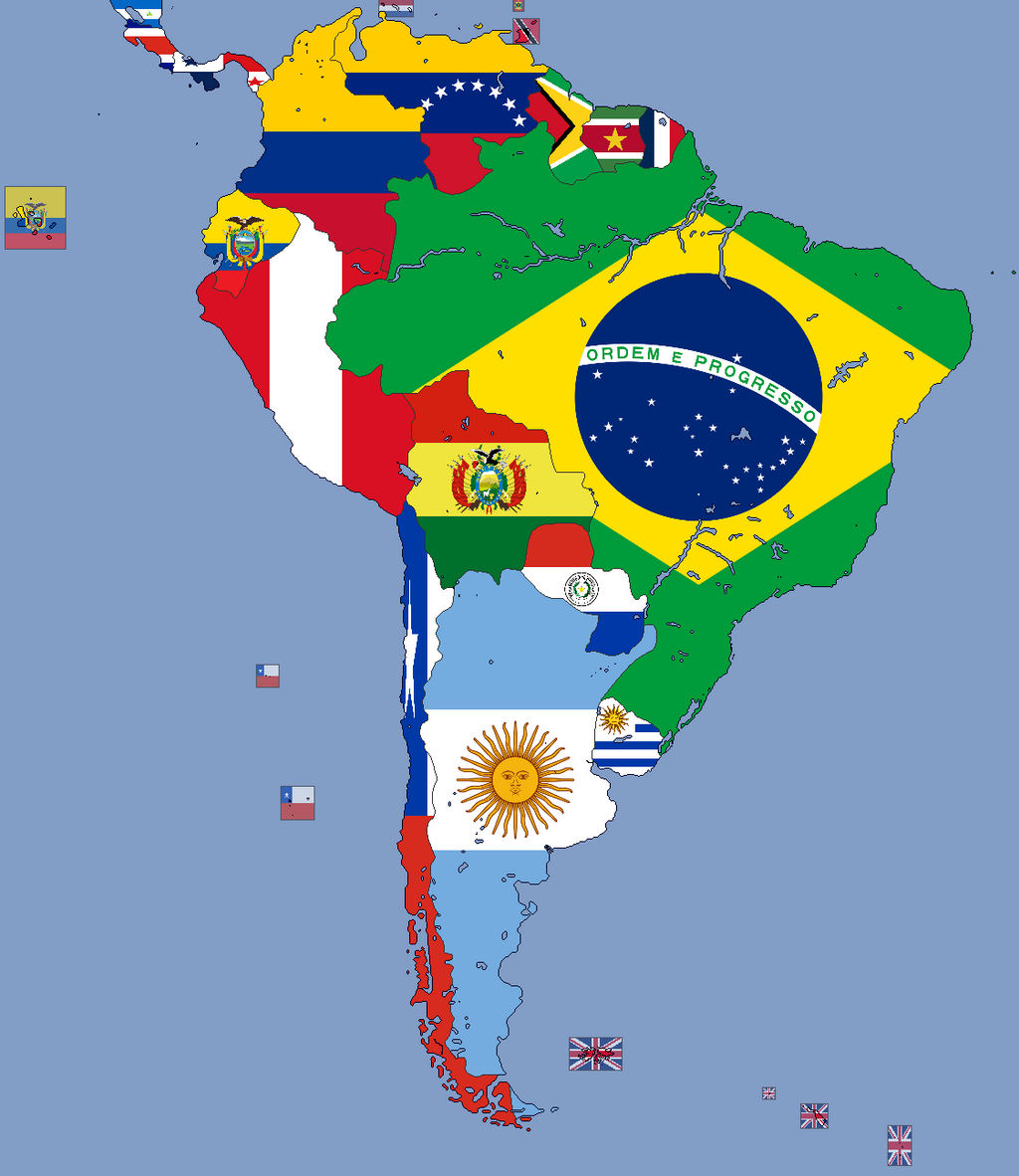
After the devastation of World War II, nations around the world were eager to create systems that could prevent another global conflict. In this climate, the countries of the Western Hemisphere decided to formalize their long-standing tradition of cooperation. In 1948, in Bogotá, Colombia, 21 nations signed the charter that officially created the Organization of American States (OAS).
Mission and Principles
The OAS was founded on a simple premise: an attack on one member state is an attack on all. This principle of collective security was central. But the organization's mission goes far beyond just defense. Its work is built on four main pillars.
The four pillars of the OAS are Democracy, Human Rights, Security, and Development.
These pillars guide everything the OAS does. The organization works to strengthen democratic institutions, sending observers to monitor elections and ensure they are free and fair. It investigates and reports on human rights abuses. It fosters cooperation on issues like drug trafficking and terrorism. And it promotes economic and social development to reduce poverty and inequality.
Foundational Rules
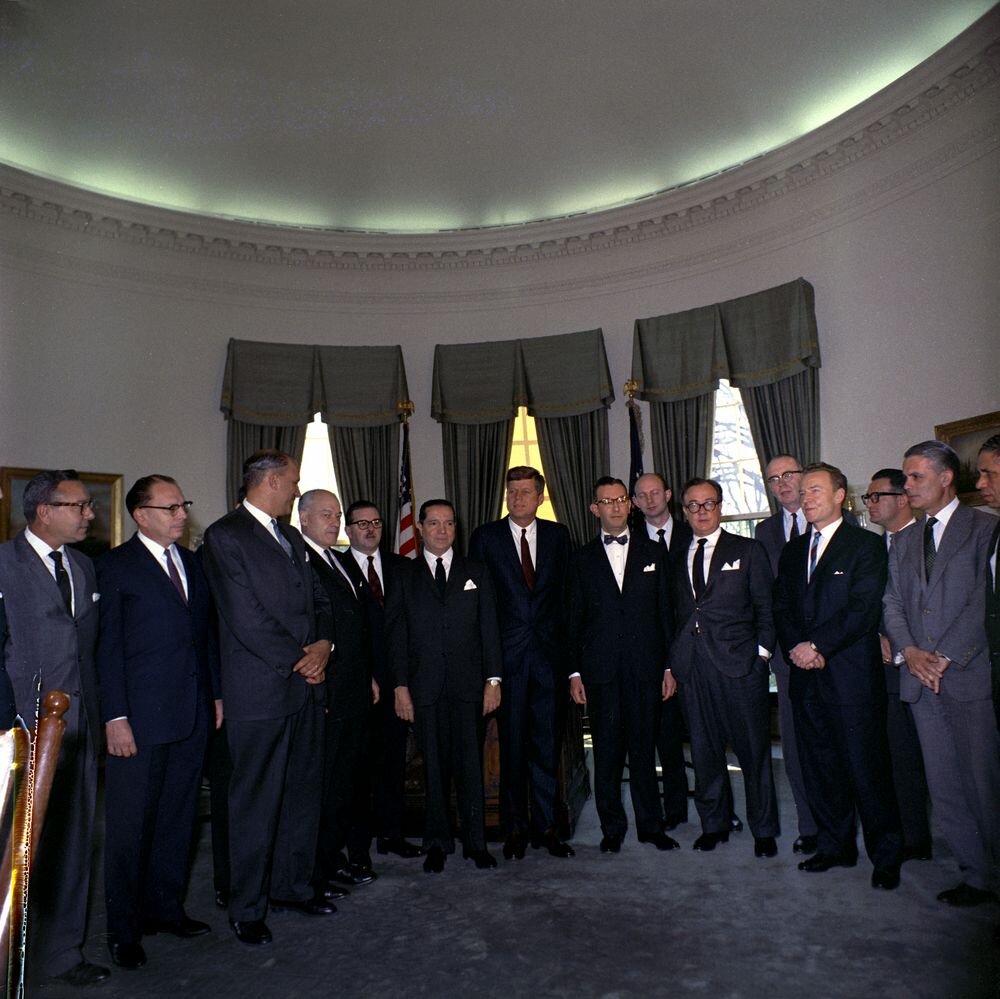
Every club needs a rulebook. For the OAS, that rulebook is the Charter of the Organization of American States. Signed in 1948, the Charter lays out the organization's purpose, principles, and basic structure. It’s the foundational treaty that all member states agree to uphold.
Two core principles in the Charter are non-intervention and the peaceful settlement of disputes. This means member countries agree not to interfere in each other's internal affairs and to resolve disagreements through diplomacy, not force. The Charter also affirms fundamental human rights and the importance of democracy as the basis of government.
The OAS Charter establishes it as the primary political forum in the inter-American system, a space for dialogue and collective action for the entire hemisphere.
This makes the OAS the main stage where leaders from North, Central, and South America, as well as the Caribbean, come together. It's the region's town hall, a place to tackle shared challenges, from protecting the environment to managing migration. While it has faced challenges and controversies over its long history, the OAS remains the central body for hemispheric cooperation.