Understanding the NEET Exam
Introduction to NEET
The Gateway to Medical School
The National Eligibility cum Entrance Test, or NEET, is the single entrance exam for students who want to study medicine, dentistry, or other related health sciences in India. If your goal is to become a doctor, dentist, or pursue a course in alternative medicine systems like Ayurveda or Homeopathy, passing this exam is your first major step.
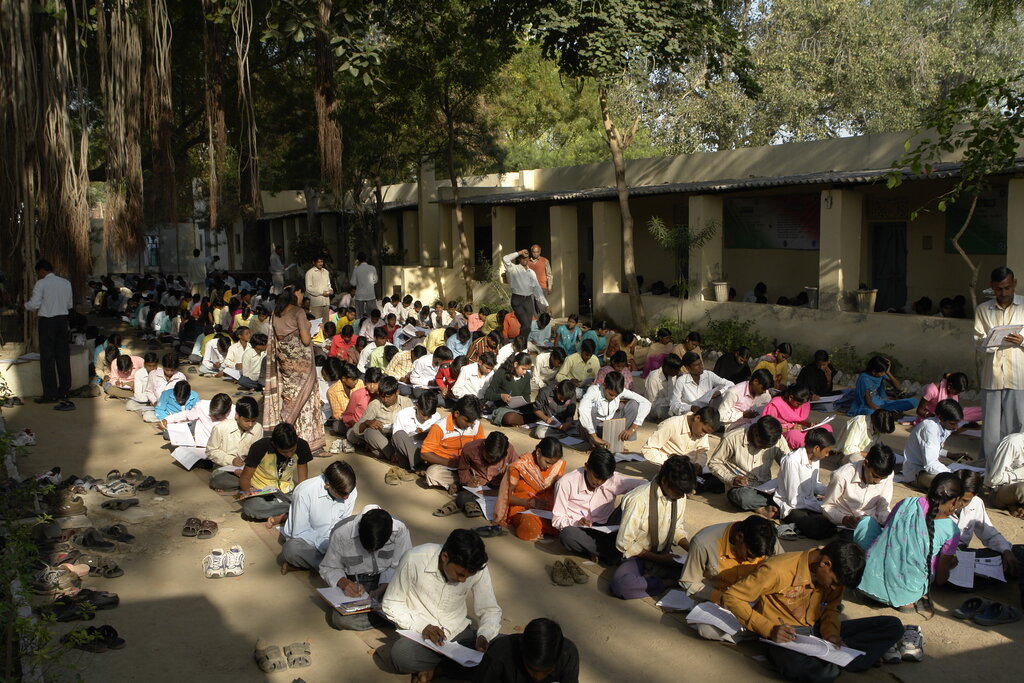
Before NEET was introduced, states and even individual colleges had their own separate entrance exams. This created a confusing and often expensive process for students, who had to prepare for and take multiple different tests. NEET was established to create one uniform standard for admission into medical and dental colleges across the country. It ensures that every student is judged on the same criteria, making the selection process fair and transparent.
NEET replaced a complex web of multiple exams with a single, nationwide test for medical admissions, simplifying the process for millions of students.
Who Runs the Exam
Two main organizations are responsible for NEET. The National Testing Agency (NTA) is in charge of conducting the exam itself. This includes everything from setting the paper to managing the logistics of the test day and declaring the results.
However, the overall guidelines, syllabus, and eligibility criteria are determined by the National Medical Commission (NMC). The NMC is the primary regulatory body for medical education and practice in India. It ensures the standards of medical training are maintained, and it sets the rules that the NTA follows when administering NEET.
Checking Your Eligibility
Before you can apply for NEET, you need to meet a specific set of criteria. These rules cover your nationality, age, and educational background.
Nationality is quite broad. Indian citizens, Non-Resident Indians (NRIs), Overseas Citizens of India (OCIs), Persons of Indian Origin (PIOs), and foreign nationals are all eligible to appear for the NEET exam.
When it comes to age, you must be at least 17 years old by December 31st of the year you are taking the exam. An important change in recent years is that the upper age limit for appearing in NEET has been removed. This means there's no cap on how old you can be to take the test.
Finally, your academic qualifications are critical. You must have passed your Class 12 (or an equivalent) examination. The subjects you studied are also specific: you need to have taken Physics, Chemistry, and Biology/Biotechnology as core subjects, along with English.
There's also a minimum percentage you need to score in these science subjects, which varies by category.
| Category | Minimum Percentage in PCB* |
|---|---|
| General / EWS | 50% |
| Other Backward Classes (OBC) - NCL | 40% |
| Scheduled Caste (SC) / Scheduled Tribe (ST) | 40% |
| Persons with Disabilities (PwD) | 45% (for General) / 40% (for Reserved) |
*PCB: Physics, Chemistry, and Biology/Biotechnology taken together.
Meeting these requirements is the first step on your journey toward a career in medicine through NEET.