Understanding the Mating Move in Chess
Understanding Checkmate
The Final Move: Checkmate
Every move in chess, from the first pawn push to a complex queen maneuver, is ultimately aimed at a single goal: checkmate. This is the moment the game ends. It's the decisive blow that secures victory.
Checkmate occurs when a king is under attack, a situation called 'check', and has no legal way to escape. The threatened player cannot move their king to a safe square, capture the attacking piece, or block the attack with another piece. The king is trapped, and the game is over.
Think of it as a cornered king. There are threats from all sides and no path to safety.
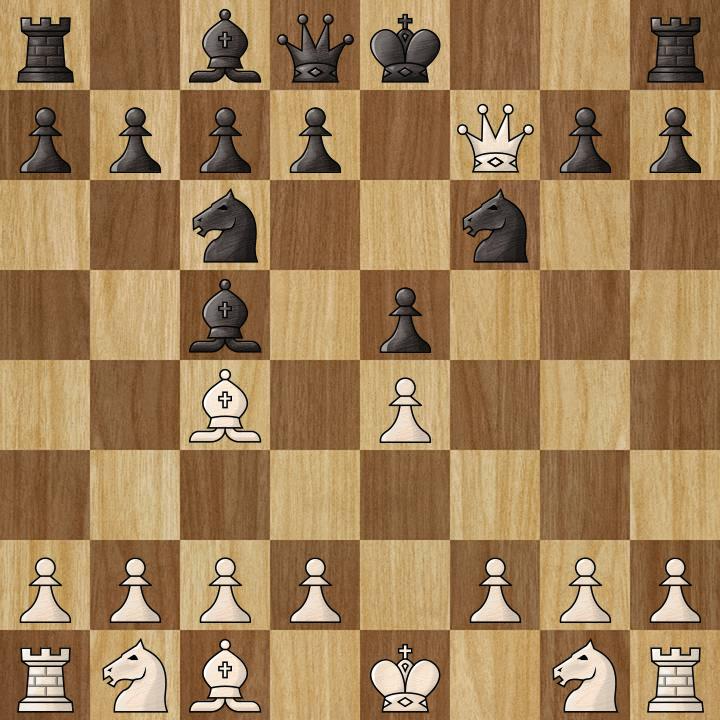
Let's break down the three conditions that must be met for a king to be in checkmate:
- The king is in check.
- The king cannot move to any adjacent square without being in check.
- The attack cannot be blocked or the attacking piece captured.
Marking the Win
When you record chess moves, a special symbol marks the final, winning move. In algebraic notation, a checkmate is indicated by the hash symbol (#), sometimes called a pound sign or number sign.
For example, if moving your queen to the h7 square results in checkmate, you would write it as Qh7#.
Now that you understand what checkmate is, let's test your knowledge.
What is the ultimate objective in a game of chess?
Which of the following conditions is NOT necessary for a checkmate?
Mastering the concept of checkmate is the first step toward winning games. All tactics and strategies are built around creating opportunities for this final move.