Understanding the Manchurian Candidate
Origins and Definition
The Candidate Is Born
The term "Manchurian Candidate" comes directly from a 1959 political thriller of the same name. Written by Richard Condon, the novel tells a chilling story set in the aftermath of the Korean War. An American soldier, Sergeant Raymond Shaw, returns home a hero. But his memories of combat are strangely hazy, filled with gaps and unsettling dreams.
As the plot unfolds, it's revealed that Shaw and his platoon were captured by Soviet and Chinese forces in Manchuria. There, they were subjected to intense psychological conditioning, or brainwashing. Shaw was unknowingly programmed to be an assassin, a sleeper agent who could be activated by a specific trigger, a queen of diamonds playing card, to carry out political assassinations without any awareness of his actions.
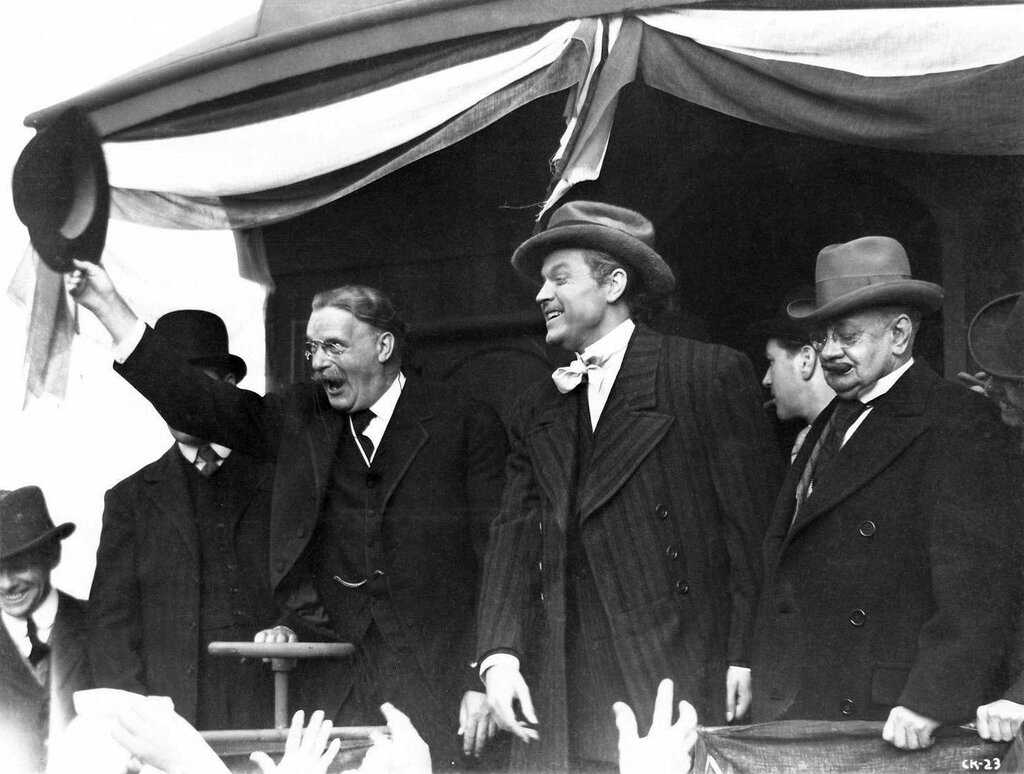
The book was a sensation, capturing the paranoia of the Cold War era. Its success led to two major film adaptations. The first, released in 1962, starred Frank Sinatra and is considered a classic of the genre. A 2004 remake, starring Denzel Washington, updated the story for a new generation, replacing the communist conspirators with a sinister multinational corporation. Both films helped cement the concept in the public consciousness.
From Fiction to Phrase
The story was so powerful that its title became a part of our language. Today, the term has a specific meaning in popular culture.
Manchurian Candidate
noun
A person, especially a politician, being used as a puppet by an enemy power or other manipulating organization. They are an unwitting agent, brainwashed or conditioned to serve a hidden agenda.
Over time, the phrase has evolved. While the original story involved complex brainwashing, the modern usage is often broader. It's used to accuse a political figure of being secretly loyal to, or manipulated by, an outside group. This could be a foreign government, a powerful corporation, or a shadowy cabal. The core idea remains the same: the person is not who they appear to be and is acting against their country's best interests.
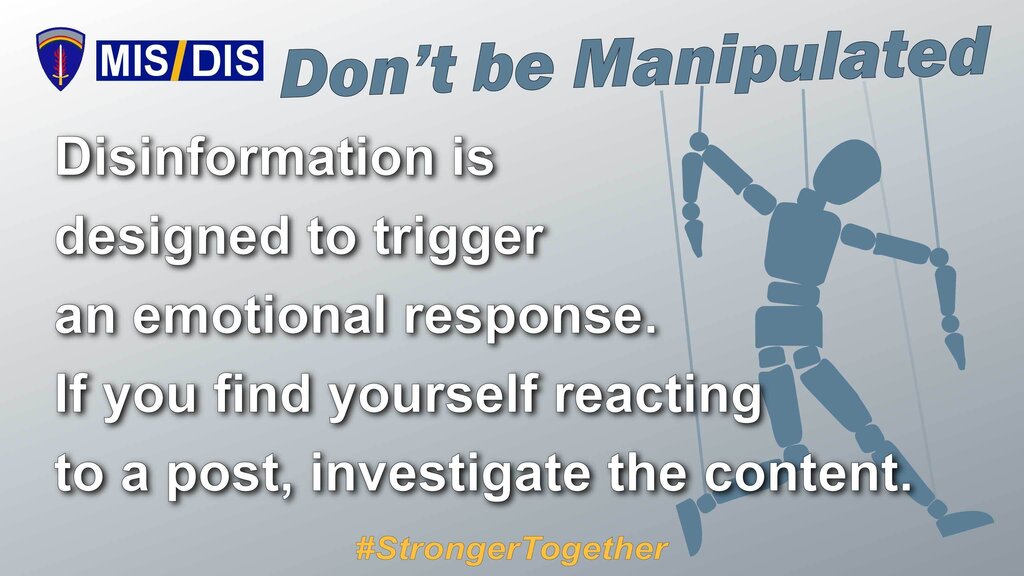
The essence of a Manchurian Candidate is hidden influence. They are a pawn in a larger game, completely unaware of the strings being pulled.
In contemporary discourse, calling someone a "Manchurian Candidate" is a serious accusation. It taps into deep-seated fears about betrayal, conspiracy, and the vulnerability of political systems. The term often surfaces during heated elections or international crises, serving as a shorthand for suspicion and disloyalty. It's a testament to the enduring power of Condon's original story that a fictional concept continues to shape real-world political conversations.
Let's review the key ideas before we wrap up.
Ready to check your understanding?
What is the origin of the term "Manchurian Candidate"?
In the original story, what was the specific trigger that activated the assassin, Raymond Shaw?
The idea of a hidden enemy, controlled from afar, remains a potent theme in storytelling and politics alike.