Understanding the Internet Protocol
Introduction to Networking
Connecting the Dots
At its core, a computer network is simple: it’s just two or more computers linked together so they can share information. Think of it like a conversation. You can talk to one person, or you can be in a room full of people, all sharing ideas. Networks allow computers to have these conversations, sending everything from emails to videos back and forth.
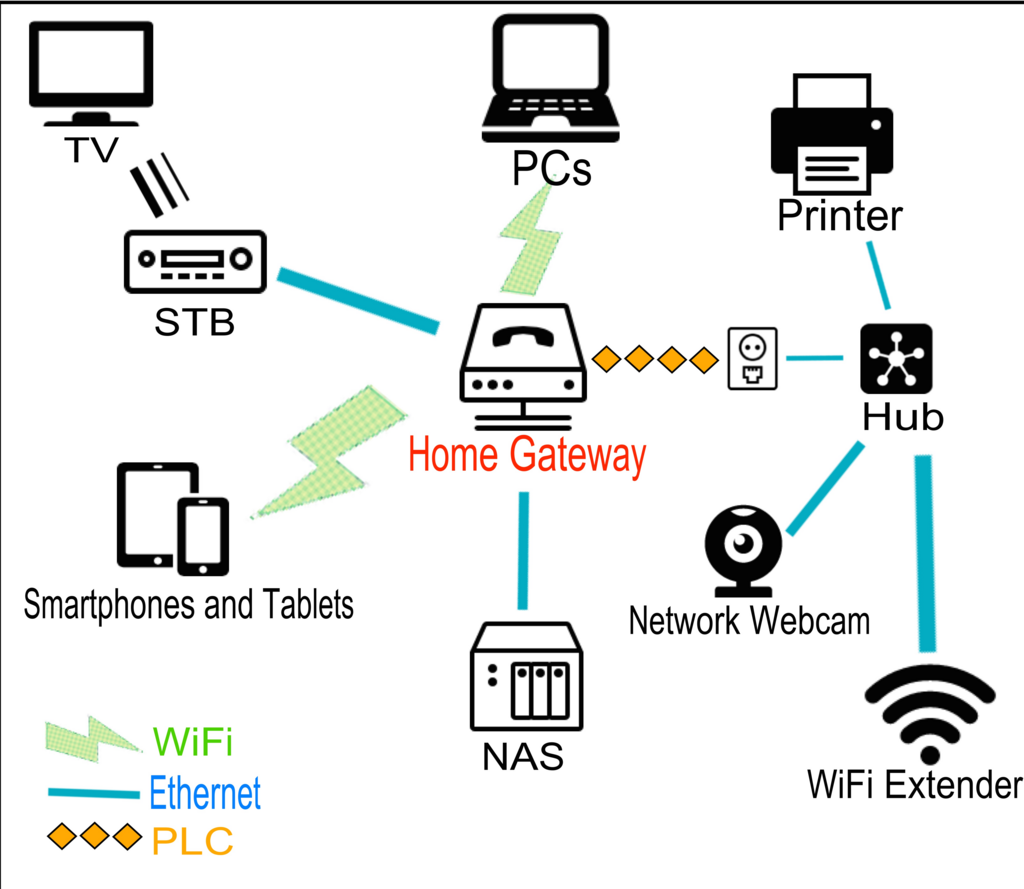
For these digital conversations to happen, there need to be some ground rules. This is the basic principle of data communication. Computers don't just shout information into the void; they package it up, address it to a specific recipient, and send it along a path, much like the postal service. The sender packages a letter (the data), puts an address on it, and trusts the system to deliver it to the right mailbox. The recipient then opens it and reads the message.
Every part of this process, from packaging the data to making sure it arrives intact, is governed by a set of rules, or protocols. These rules ensure that devices speaking different “languages” can still understand each other.
A network connects computers. Protocols are the rules that let them communicate.
Networks Big and Small
Networks come in all sizes, depending on the area they cover. The three main types you'll encounter are LAN, MAN, and WAN.
LAN
noun
Stands for Local Area Network. It connects devices over a small geographical area, like a single office building, a school, or your home.
A LAN is your personal digital neighborhood. The devices are close together, and the connections are usually fast and privately owned. Your home Wi-Fi network is a perfect example of a LAN, linking your phone, laptop, and smart TV.
WAN
noun
Stands for Wide Area Network. It connects devices over a large geographical area, such as across cities, countries, or even continents.
The most famous example of a WAN is the internet itself. It's a massive network of networks that spans the globe. WANs often use infrastructure leased from telecommunication companies, like fiber optic cables laid under the ocean.
Sitting between these two is the MAN, or Metropolitan Area Network. As the name suggests, a MAN covers an area larger than a LAN but smaller than a WAN, typically a city or a large campus. It might connect several branches of a library system across a town, for example.
Here's a quick way to compare them:
| Network Type | Geographical Area | Example |
|---|---|---|
| LAN | Small (single building) | Home Wi-Fi network |
| MAN | Medium (city-wide) | A university campus network |
| WAN | Large (global) | The Internet |
Understanding these different scales is key. Whether you're connecting a printer in your office or sending an email to someone across the world, you're using a network. The type of network simply defines the scope of the conversation.
What is the primary function of a computer network?
Which type of network would be used to connect all the computers within a single office building?
These concepts are the building blocks for everything else. They explain how devices are grouped together, setting the stage for more complex topics like how they find and talk to each other across the vast expanse of the internet.