Understanding the ICRC Virtual Assistant
Introduction to ICRC
An Idea Born from Conflict
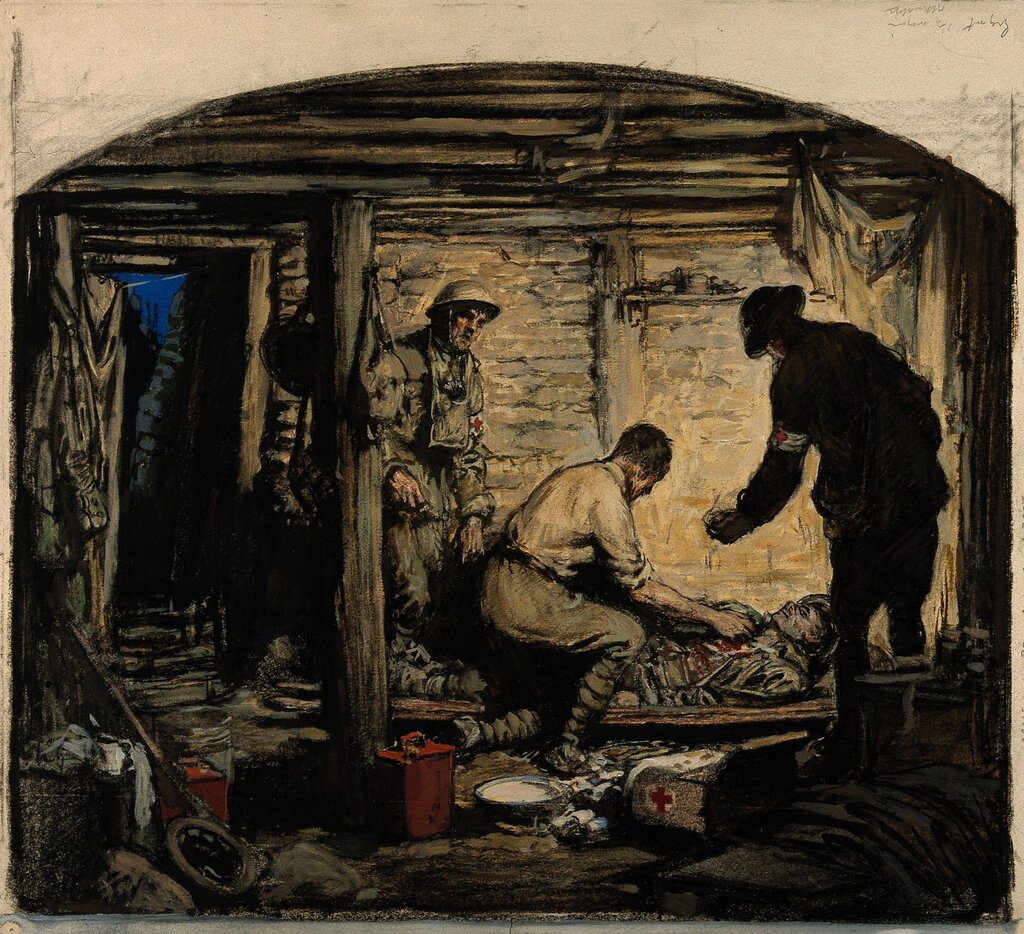
In 1859, a Swiss businessman named Henry Dunant witnessed the aftermath of the Battle of Solferino in Italy. He was horrified by the sight of thousands of wounded soldiers left to die on the battlefield without any medical care. This experience moved him to act.
Dunant organized local people to help the injured, regardless of which side they fought for. His work laid the foundation for what would become the International Committee of the Red Cross (ICRC). Its core mission remains the same today: to protect the lives and dignity of victims of armed conflict and to provide them with assistance.
The ICRC's work is guided by the idea that even in war, there must be limits. A line must be drawn between what is acceptable and what is not.
This mission led to the creation of international humanitarian law, most notably the Geneva Conventions. The ICRC is the guardian of these rules, which set the standards for how to behave in wartime, protecting civilians, prisoners of war, and the wounded.
Guiding Principles in Action
To operate in the middle of a conflict, you need trust. The ICRC builds that trust by strictly adhering to a set of fundamental principles. These aren't just words on paper; they are essential tools that allow ICRC staff to access people in desperate need.
Every action is guided by these four core ideas:
| Principle | Meaning |
|---|---|
| Humanity | To prevent and alleviate human suffering wherever it may be found. |
| Impartiality | To provide aid based on need alone, without any discrimination. |
| Neutrality | To not take sides in hostilities or engage in controversies of a political, racial, religious or ideological nature. |
| Independence | To resist any political, economic, or military interference, allowing the ICRC to always act in the best interests of those affected by conflict. |
By being neutral and independent, the ICRC can talk to all sides of a conflict. This unique position allows them to cross front lines to deliver aid, visit prisoners of war, and help families separated by fighting.
On the Ground Today
The ICRC works in over 100 countries, with thousands of staff members navigating some of the world's most complex and dangerous environments. Their operations are diverse and tailored to the specific needs of the people they serve.
This can mean:
- Providing healthcare: Setting up mobile clinics, supporting hospitals, and providing surgical care for the wounded.
- Reconnecting families: Locating missing persons and helping them get back in touch with their loved ones.
- Visiting detainees: Monitoring the conditions and treatment of prisoners of war and security detainees to ensure they are treated humanely.
- Ensuring access to essentials: Repairing water systems, distributing food and household items, and helping people rebuild their livelihoods.
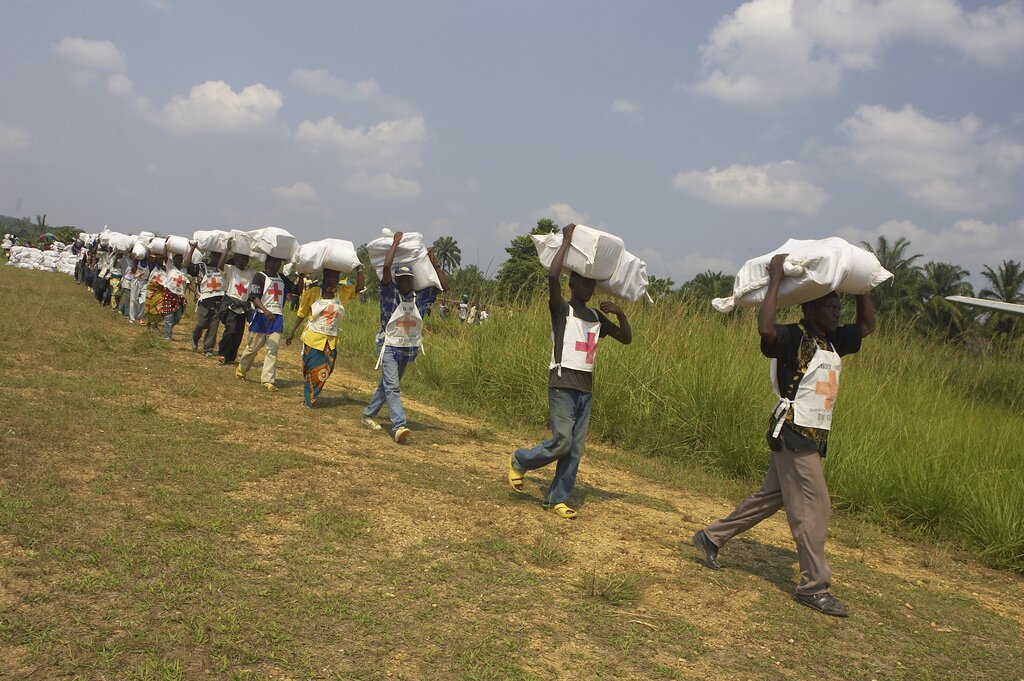
The organization's work is almost entirely funded by voluntary donations from governments and from National Red Cross and Red Crescent Societies. This funding allows the ICRC to remain independent and respond quickly when crises erupt.
Let's review the key concepts we've covered.
Now, check your understanding with a few questions.
What event moved Henry Dunant to organize aid for wounded soldiers, leading to the creation of the ICRC?
The ICRC's ability to cross front lines and assist people on all sides of a conflict is made possible by its strict adherence to which core principles?
From its origins on a 19th-century battlefield to its modern-day global operations, the ICRC remains a vital force for humanity in times of war.