Understanding the Fundamentals of Health
Defining Health
More Than Just Not Sick
What does it mean to be healthy? For a long time, the common answer was simple: if you weren't sick, you were healthy. Health was seen as the absence of disease or injury. If your body was functioning without any obvious problems, you checked the “healthy” box. But this view is incomplete. It's like describing a car as “not broken down” instead of talking about how well it drives, its fuel efficiency, or its safety features.
True health is a state of complete well-being, not just the absence of illness.
The World Health Organization (WHO) offered a more complete definition back in 1948, and it remains influential today. They framed health as a state of complete physical, mental, and social well-being, and not merely the absence of disease or infirmity. This definition was groundbreaking because it officially recognized that health is multifaceted. Let's break down those three core components.
| Component | Description |
|---|---|
| Physical Health | This is what we most commonly think of. It involves the condition of your body, from getting enough sleep and nutrition to exercising and avoiding harmful substances. |
| Mental Health | This includes your emotional and psychological well-being. It’s about how you feel, think, and cope with life’s ups and downs. It involves managing stress, having a positive self-image, and maintaining cognitive function. |
| Social Health | This refers to your ability to form meaningful relationships and connect with others. It involves having a supportive network of family and friends and feeling a sense of belonging within your community. |
Health is multi-dimensional, including physical, mental, and social factors that influence well-being.
A Holistic View
Because these dimensions are interconnected, a change in one can affect the others. For example, the stress of losing a job (affecting social and mental health) can lead to sleepless nights and poor eating habits (affecting physical health). This interconnectedness is the foundation of a holistic approach to health.
A holistic approach means looking at the whole person. Instead of treating an isolated symptom, it considers how different aspects of a person's life and body work together. It’s about understanding the complete picture to foster overall well-being.
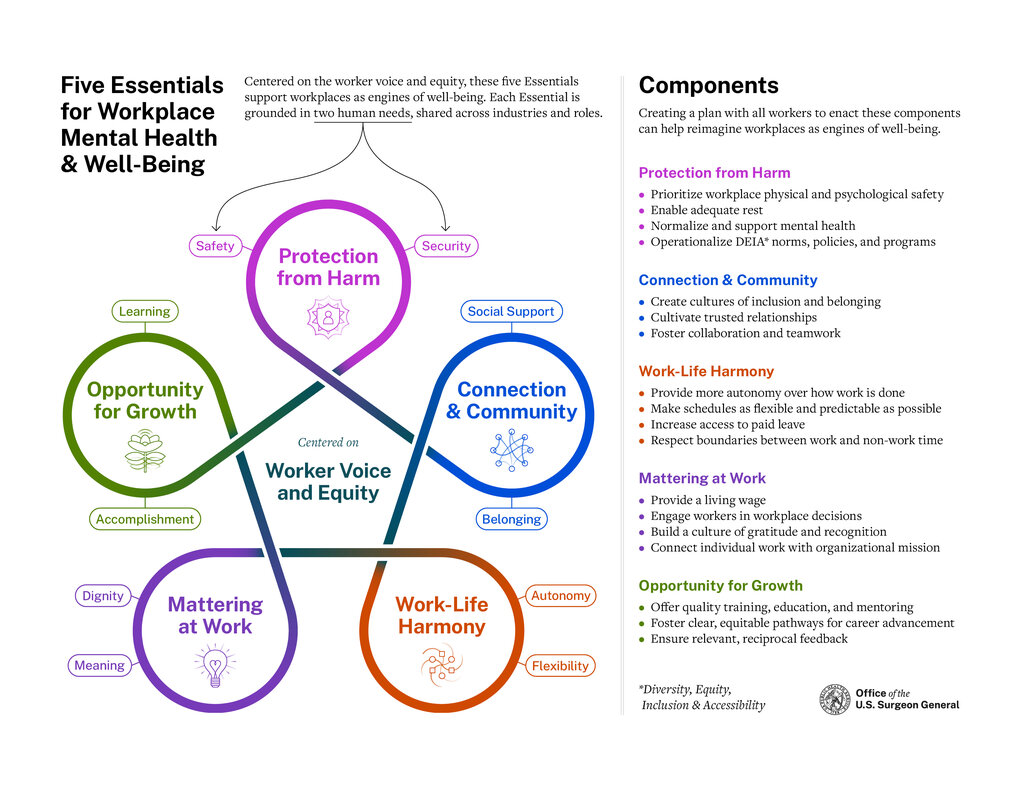
This broader perspective leads us to the concept of wellness. If health is a state of being, wellness is the active process of getting there. It involves making conscious choices and engaging in behaviors that lead to a healthy and fulfilling life. Wellness is the journey, and health is the destination.
The Dimensions of Wellness
Wellness is often broken down into several interconnected dimensions. While different models exist, they typically expand upon the WHO's three pillars of health to create a more detailed map for personal growth. Thinking about these areas helps identify where we are thriving and where we might need more attention.
Here’s a quick look at these six common dimensions:
- Physical: Caring for your body through diet, exercise, and sleep.
- Emotional: Understanding and managing your feelings, and coping effectively with stress.
- Social: Developing a sense of connection, belonging, and a well-developed support system.
- Intellectual: Recognizing creative abilities and finding ways to expand knowledge and skills.
- Environmental: Occupying pleasant, stimulating environments that support well-being.
- Occupational: Gaining personal satisfaction and enrichment from one's work.
By considering all these areas, you can build a more complete and resilient foundation for your health.
According to the World Health Organization (WHO), health is defined as a state of complete physical, mental, and social well-being, and not merely the ____.
What is the key difference between the concepts of 'health' and 'wellness'?