Understanding the Dark Enlightenment
Introduction to the Enlightenment
The Age of Reason
In the 17th and 18th centuries, a powerful intellectual movement swept across Europe, changing the way people thought about government, religion, and human nature. This period, known as the Enlightenment, championed reason, logic, and evidence as the primary sources of knowledge and authority.
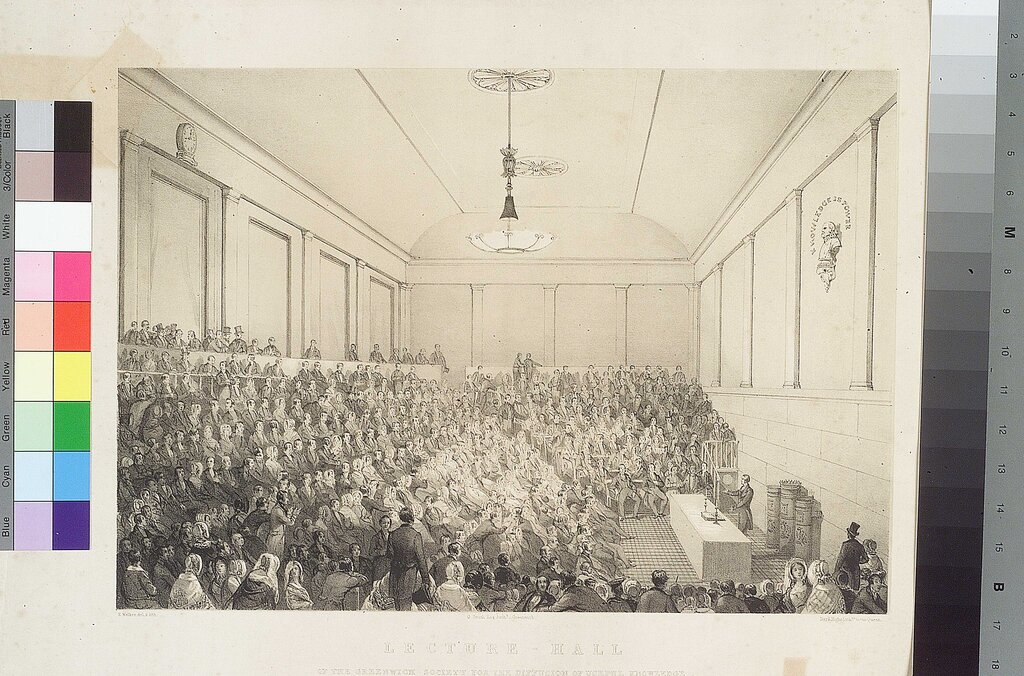
Thinkers of the era were inspired by the Scientific Revolution, which had shown that the natural world followed understandable laws. They began to wonder: could the same kind of rational inquiry be applied to human society? Instead of simply accepting tradition or the word of kings and priests, they started questioning everything and looking for better ways to organize the world.
Core Principles
Three ideas formed the bedrock of Enlightenment thought: reason, individualism, and skepticism. They were revolutionary at the time and continue to shape modern society.
Reason
noun
The power of the mind to think, understand, and form judgments by a process of logic.
Before the Enlightenment, authority often came from tradition, divine revelation, or royal decree. The emphasis on reason meant that ideas should be tested and debated, not accepted on faith alone. This new approach suggested that humanity could solve its own problems and make progress without relying on superstition.
Individualism
noun
The principle of being independent and self-reliant; a focus on the rights and freedoms of the individual.
This was a radical shift from the older view that people were primarily members of a group—a village, a guild, or a church—with their identities and duties defined by that group. Enlightenment thinkers argued that individuals possessed inherent rights and that the purpose of government was to protect those rights. This laid the groundwork for modern concepts of liberty and democracy.
Skepticism
noun
A questioning attitude or doubt towards one or more items of putative knowledge or belief.
Armed with reason and a belief in individual rights, Enlightenment philosophers applied a healthy dose of skepticism to the established powers of the day. They questioned the divine right of kings, challenged the absolute authority of the church, and criticized the rigid social hierarchies that had dominated Europe for centuries. This critical spirit opened the door for political and social reform.
Key Thinkers
Many brilliant minds contributed to the Enlightenment, but a few stand out for their lasting impact.
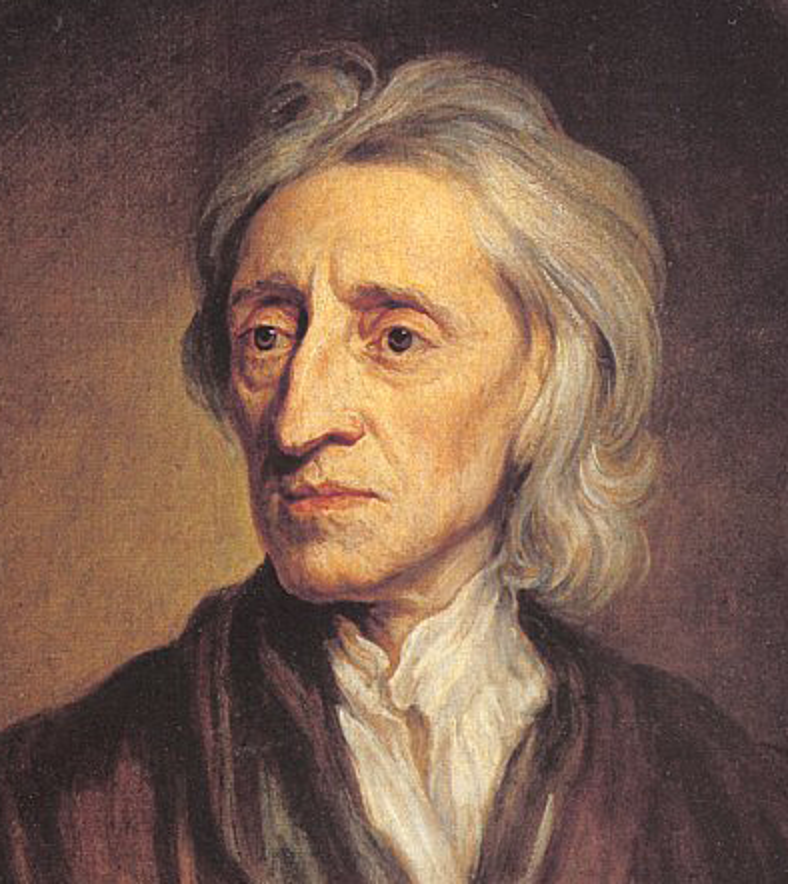
John Locke was an English philosopher who argued that all people are born with natural rights, including the rights to life, liberty, and property. He proposed that governments are formed through a "social contract," where people agree to be ruled in exchange for the protection of their rights. If a government fails to do this, Locke argued, the people have the right to overthrow it. This idea would later inspire revolutions around the world.
Across the channel in France, Voltaire became a famous writer and philosopher who championed freedom of speech and religion. He used his sharp wit to criticize the French monarchy and the Catholic Church for their intolerance and corruption. His relentless calls for reason and justice made him a symbol of the Enlightenment's fight against oppression.
I disapprove of what you say, but I will defend to the death your right to say it.
This quote, though often misattributed to Voltaire, perfectly captures his passionate defense of free expression.
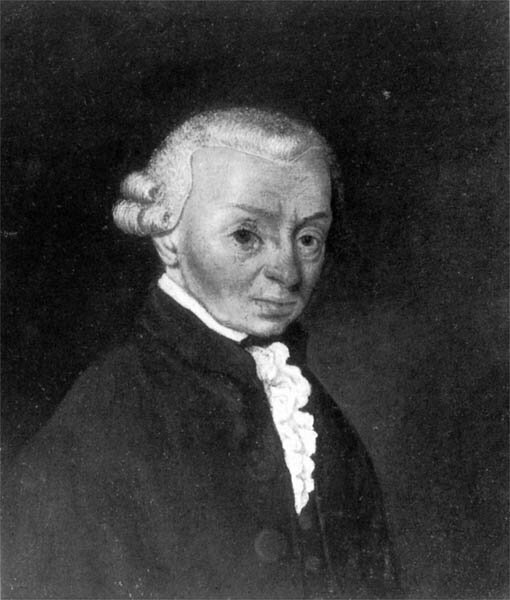
Finally, the German philosopher Immanuel Kant provided a motto for the entire era: "Sapere Aude!" or "Dare to know!" He encouraged people to think for themselves and to cast off the "self-imposed nonage" of relying on others to think for them. For Kant, enlightenment was humanity's emergence from its immaturity, powered by the courage to use one's own reason.
A Lasting Impact
The Enlightenment's focus on liberty, progress, and reason transformed the world. Its ideas fueled the American and French Revolutions and provided the philosophical foundation for modern democracies. Concepts that we often take for granted today—like human rights, the separation of church and state, and government by consent of the governed—all have their roots in this remarkable period of intellectual awakening.
The principles developed during this era set the stage for a world where ordinary people could challenge authority and demand a say in their own governance.
Which trio of concepts formed the bedrock of Enlightenment thought?
According to John Locke, if a government fails to protect the natural rights of its people, the people have the right to overthrow it.