Understanding the CPU
CPU Basics
The Computer's Brain
At the heart of every computer, from a massive server to the smartphone in your pocket, is a tiny, powerful component called the Central Processing Unit, or CPU. It's often called the brain of the computer, and for good reason. Just as your brain processes information and tells your body what to do, the CPU is responsible for carrying out the commands of a computer program.
The CPU (Central Processing Unit) is the brain of the computer because it controls everything the computer does.
Think about what happens when you click an icon to open an application. Your click is an instruction. That instruction travels to the CPU, which interprets it and then directs all the other parts of your computer to work together to launch the program. It's the central command hub that takes in requests and makes things happen.
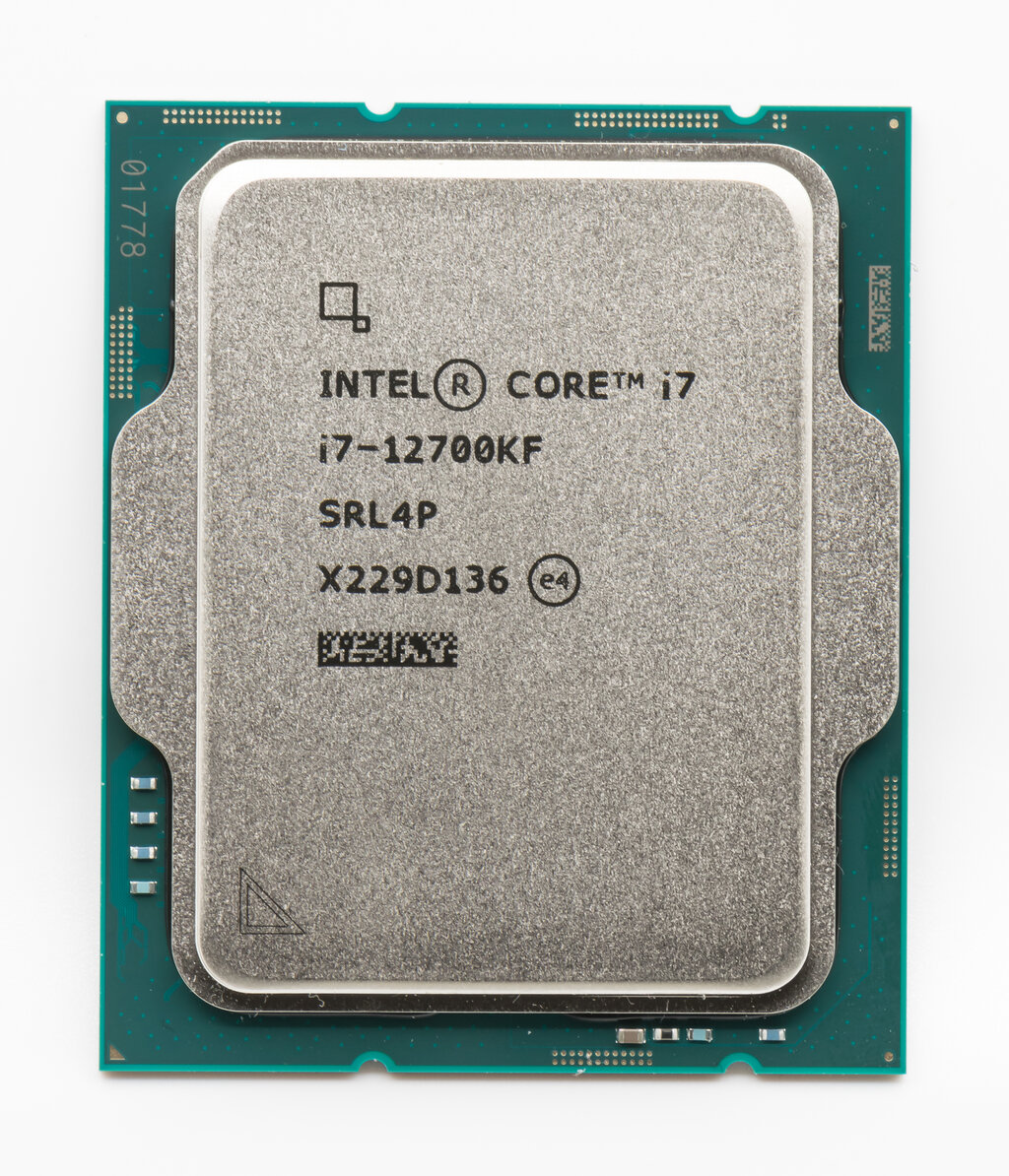
Without a CPU, your computer would just be a collection of silent, inactive parts. It's the engine that drives everything, executing the billions of calculations per second needed to run your operating system, your web browser, and your games. The faster and more efficient the CPU, the more smoothly your computer operates.
What Does It Do?
At a basic level, the CPU has three main jobs: it fetches, decodes, and executes instructions. Imagine you're building a LEGO set using an instruction manual. The CPU's functions are similar to how you would follow those steps.
First, the CPU fetches an instruction from the computer's memory. This is like you reading the first step from the manual, for example, "Find the red 2x4 brick."
Next, it decodes the instruction. The CPU figures out what the instruction means. In our analogy, you understand that you need to locate a specific type of LEGO piece.
Finally, it executes the instruction. The CPU performs the required action. You pick up the red brick and get ready for the next step. The CPU does this millions or even billions of times every second, processing the simple steps that make up complex tasks.
Every single action your computer takes is broken down into these simple steps. Writing an email, watching a video, or even just moving your mouse is the result of the CPU performing this cycle over and over again with incredible speed.
Why It Matters
The importance of the CPU can't be overstated. It directly impacts the overall performance and speed of your computer. A more powerful CPU can process more instructions at once and perform them faster. This is why a computer from ten years ago feels much slower than a new one, even if they're performing the same tasks. The newer machine's CPU is simply more capable of handling the demands of modern software.
When you see specifications like "dual-core" or "quad-core," it refers to the number of processing units on a single CPU chip. More cores mean the CPU can work on multiple tasks simultaneously, which is like having multiple people building that LEGO set at the same time. This dramatically increases the computer's ability to multitask smoothly.
Now let's check your understanding of the CPU's fundamental role.
What is the most common analogy used to describe the CPU's role in a computer?
What are the three primary functions of the CPU, performed in a continuous cycle?
Understanding the CPU as the computer's brain is the first step in learning how these incredible machines work. It's the active, thinking part that brings all the other components to life.