Understanding the Claude Agent SDK
Introduction to AI Agents
What Is an AI Agent?
Beyond the familiar chatbot that answers questions, an AI agent is a system designed to perceive its environment and take actions to achieve specific goals. Think of it less like a search engine and more like an autonomous assistant.
Agents don't just provide information. They perform tasks.
This ability to act is what makes them so powerful. An agent can interact with software, use tools, and navigate digital environments on its own. It operates on a cycle of perceiving its surroundings, making a decision, and then acting on that decision to move closer to its objective. This core loop is what allows an agent to tackle complex, multi-step problems without constant human guidance.
autonomy
noun
The ability of an agent to operate independently, making its own decisions and taking actions without direct human control for every step.
A Quick History
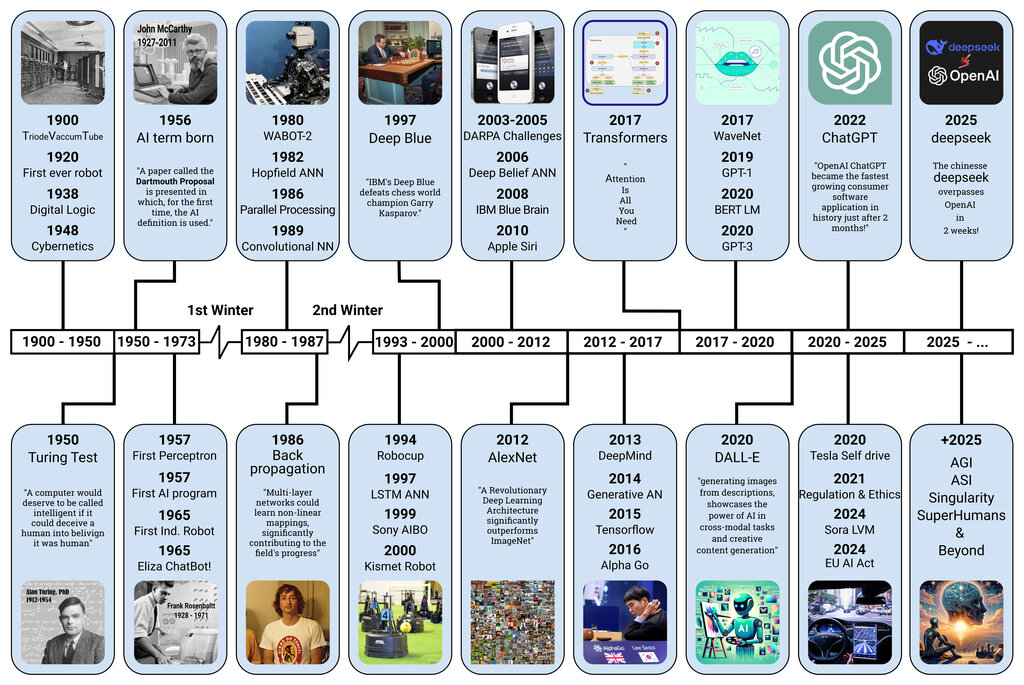
The idea of autonomous agents has been around since the early days of artificial intelligence. Initially, these were simple, rule-based systems. For example, a thermostat is a very basic agent: it perceives the room temperature and acts (turning the heat on or off) to achieve its goal of maintaining a set temperature.
Over the decades, agents grew more sophisticated, incorporating learning and reasoning. But the recent explosion in large language models (LLMs) has been a game-changer. LLMs give agents an unprecedented ability to understand complex, nuanced goals described in natural language. They can break down a vague request like "plan a weekend trip to a nearby city" into a series of concrete steps and execute them.
Agents in the Wild
AI agents are no longer theoretical. They are being deployed across numerous industries to automate complex workflows.
-
Software Development: An agent can be tasked with finding a bug. It might read the bug report, examine the code, run tests, and even attempt to write a fix, all without a developer's direct input.
-
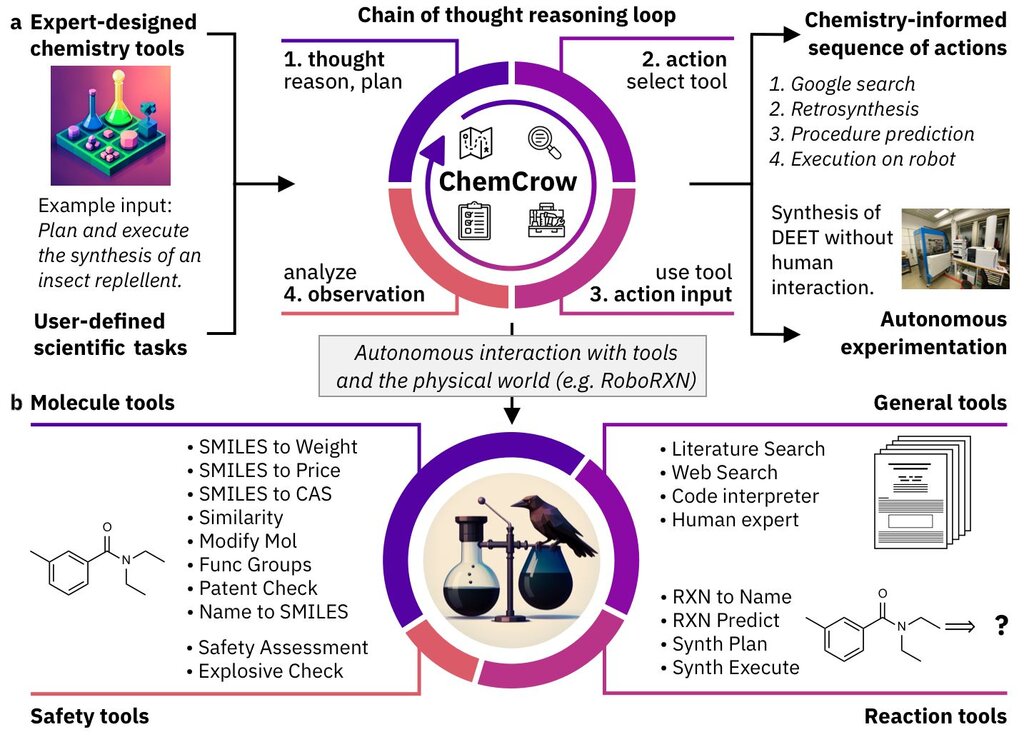
Scientific Research: Instead of just analyzing a dataset, an agent can be given a research goal. It can then browse scientific literature, formulate hypotheses, run simulations, and present its findings. This accelerates the pace of discovery.
-
Customer Support: A support agent can do more than pull up an FAQ. It can access a customer's order history, interact with a shipping provider's API to get a delivery status, and process a refund, handling an entire support ticket from start to finish.
How Agents Work
While the underlying technology is complex, the operational principle of an AI agent is straightforward. It boils down to a few fundamental concepts.
Perceive → Think → Act
This is the core loop of any agent. It first perceives its environment. This could mean reading text on a website, checking the state of a database, or looking at the contents of a file folder.
Next, it thinks. Based on its goal and its perception of the environment, the agent reasons about what to do next. This is where the LLM's power comes into play, allowing the agent to formulate a plan.
Finally, it acts. The action is usually performed by using a tool. A "tool" can be any function or API the agent has access to, like a web search, a calculator, or the ability to send an email. After acting, the agent perceives the new state of the environment, and the loop begins again until the goal is complete.
Understanding these core concepts—autonomy, goal-orientation, and the cycle of perception and action—is the first step toward building and using powerful AI agents.