Understanding Tetanus
Introduction to Tetanus
The Silent Threat in the Soil
Tetanus is a serious disease caused by a toxin that affects the nervous system, leading to painful muscle contractions. It's caused by the bacterium Clostridium tetani, which is commonly found in the environment. Think of it as a hidden danger in soil, dust, and manure.
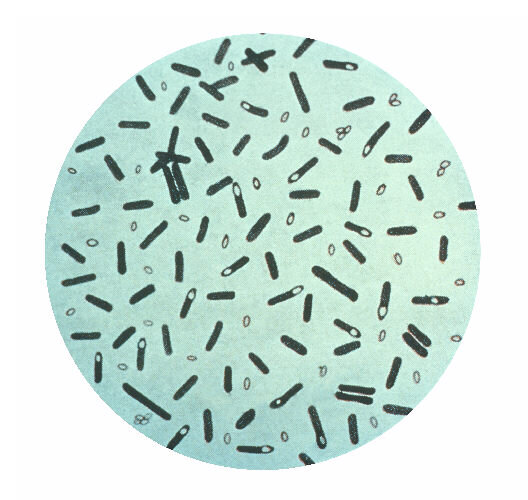
The bacteria themselves aren't the main problem. The real issue begins when their spores enter the body through a wound, like a deep cut from a rusty nail or a simple scrape. In the low-oxygen environment of a wound, these spores germinate and the active bacteria begin to produce a powerful neurotoxin called tetanospasmin. This toxin is what travels through the body and interferes with nerve signals, causing the severe muscle spasms characteristic of the disease. One of the most famous signs is lockjaw, or the inability to open the mouth.
A Global Health Concern
While tetanus can occur anywhere in the world, its prevalence is much higher in developing countries where vaccination coverage is low and access to proper wound care is limited. The disease doesn't spread from person to person. Instead, infections happen one case at a time, whenever the spores find a way into the body.
Globally, deaths from tetanus have dropped by over 90% since the 1990s, thanks to widespread immunization efforts.
A particularly tragic form of the disease is neonatal tetanus, which affects newborns. It typically occurs when the umbilical stump is cut with a non-sterile instrument or cared for in an unhygienic way. The infant, lacking passive immunity from its mother, is highly vulnerable. International health organizations have made eliminating maternal and neonatal tetanus a major priority, leading to significant progress in recent decades.
Impact and Prevention
The public health impact of tetanus comes from its severity and its preventability. Without treatment, the disease is often fatal. Even with modern intensive care, recovery can be long, difficult, and expensive. Patients may require weeks in the hospital, mechanical ventilation to help with breathing, and medications to control muscle spasms.
This makes prevention the cornerstone of controlling tetanus. The tetanus vaccine is safe, effective, and provides powerful protection. It's usually given in childhood as part of the DTaP (diphtheria, tetanus, and acellular pertussis) vaccine, with booster shots recommended every 10 years for adults (often as a Td or Tdap shot). Because the bacteria are everywhere in the environment, the only reliable protection is keeping your vaccinations up to date. It's a classic public health success story: a small, inexpensive intervention that prevents a devastating disease.
What is the direct cause of the severe muscle spasms associated with a tetanus infection?
How is tetanus typically transmitted to humans?
Understanding how tetanus works is the first step toward appreciating the power of vaccination. It's a disease that doesn't need to exist in a world with modern medicine.