Understanding 'Teach Me'
Foundations of Effective Teaching
Every Student Is Different
Think of your students as a diverse audience. Some learn best by seeing, others by listening, and some by doing. While the idea of distinct "learning styles" has been debated, the core principle is solid: people absorb information in different ways. An effective teacher doesn't force everyone into a single mold. Instead, they present information through various channels to reach every learner.
Your goal isn't to label students, but to vary your teaching methods. A mix of visuals, discussion, and hands-on activities creates more paths to understanding.
A common framework for thinking about these differences is VARK, which stands for Visual, Aural, Read/Write, and Kinesthetic. Most people use a mix of these modalities, but might have a preference for one.
| Modality | Prefers Learning Through... | Example Activity |
|---|---|---|
| Visual | Seeing charts, diagrams, and videos | Drawing a mind map to connect ideas |
| Aural | Listening to lectures and discussions | Participating in a group debate |
| Read/Write | Reading texts and taking notes | Writing a short summary of a chapter |
| Kinesthetic | Doing, touching, and moving | Building a model or acting out a scene |
By incorporating elements that appeal to each of these preferences, you make your lessons more accessible and engaging for everyone in the room.
Provide a Clear Roadmap
Students need to know where they are going and why. Clear learning objectives act as a roadmap for both the teacher and the learner. They state exactly what a student should be able to do by the end of a lesson. This shifts the focus from what the teacher will cover to what the students will accomplish.
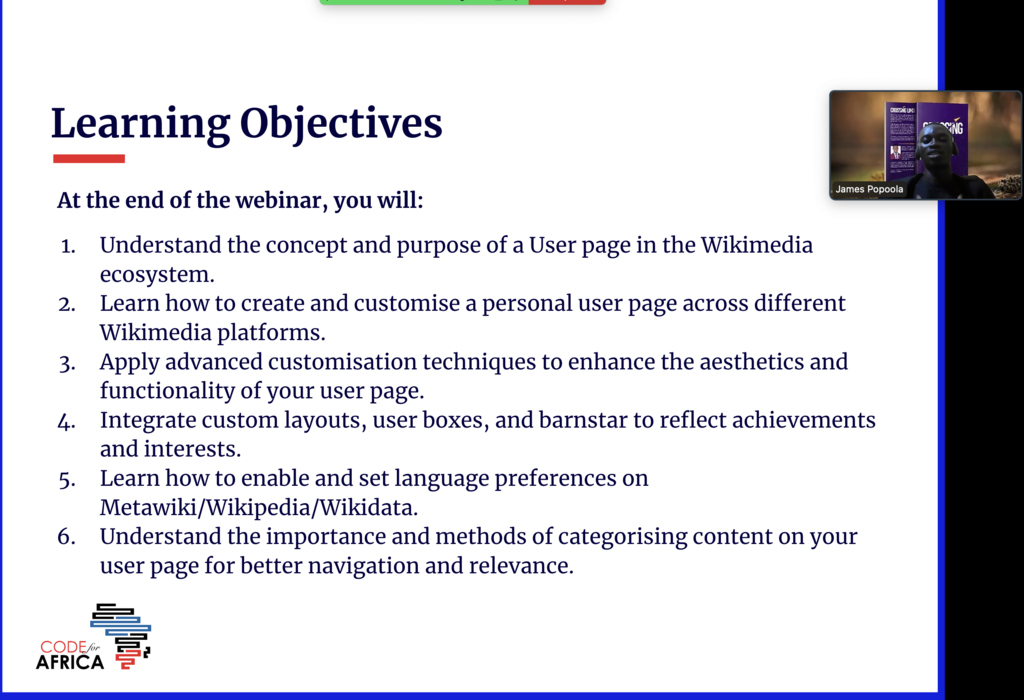
Strong objectives are specific, measurable, and action-oriented. Instead of a vague goal like "Understand photosynthesis," a clear objective would be: "By the end of this lesson, you will be able to list the three key inputs and two key outputs of photosynthesis."
This clarity helps students focus their attention and gives them a concrete way to measure their own success. It transforms a passive experience into an active quest for knowledge.
Create clear course goals, learning objectives, and assessment instructions to guide students through the learning process.
Building a Safe Space
An inclusive classroom is one where every student feels safe, respected, and valued. It's a place where they feel comfortable taking intellectual risks, asking questions, and being themselves without fear of judgment. This sense of belonging is not just a nice-to-have; it is essential for learning.
Creating this environment involves more than just being nice. It means actively representing diverse perspectives in your materials, establishing clear norms for respectful discussion, and being attentive to the social dynamics of the classroom. It's about ensuring that every student's voice has the potential to be heard.
Inclusivity is an action. It's the daily practice of making sure everyone has a seat at the table and the confidence to speak.
Positive teacher-student relationships are the bedrock of this environment. When students know you care about them as individuals, they are more likely to trust you, engage with the material, and put in the effort. Simple acts, like greeting students at the door, remembering small details about their interests, and showing empathy, can build powerful connections.
These relationships create a virtuous cycle. When students feel seen and supported, they participate more. This increased engagement leads to better learning outcomes, which in turn reinforces their confidence and trust.
Ready to check your understanding? Let's review the core ideas we've covered.
What is the primary reason for a teacher to present information through various channels, such as visual, aural, and kinesthetic methods?
Which of the following is the STRONGEST and most effective learning objective?
These principles—understanding your learners, clarifying your goals, and building a supportive community—are the foundation upon which all other teaching strategies are built.