Understanding Taxes
Introduction to Taxation
What Are Taxes?
At its core, a tax is a mandatory payment that individuals and businesses must make to the government. You don't get a specific product in return, like when you buy a coffee. Instead, that money is pooled with everyone else's to fund the country's collective needs.
taxation
noun
The system by which a government collects money from its citizens and businesses to pay for public services.
Think of it like a group of friends pitching in for a pizza. No single person pays for the whole thing, but everyone gets to enjoy a slice. Taxes work on a much larger scale, paying for services that benefit all of society, from roads and schools to national defense and public parks.
Tax is an obligatory financial charge or a compulsory liability imposed on every citizen of a country by its government to raise revenue for carrying out all its functions.
A Quick Trip Through History
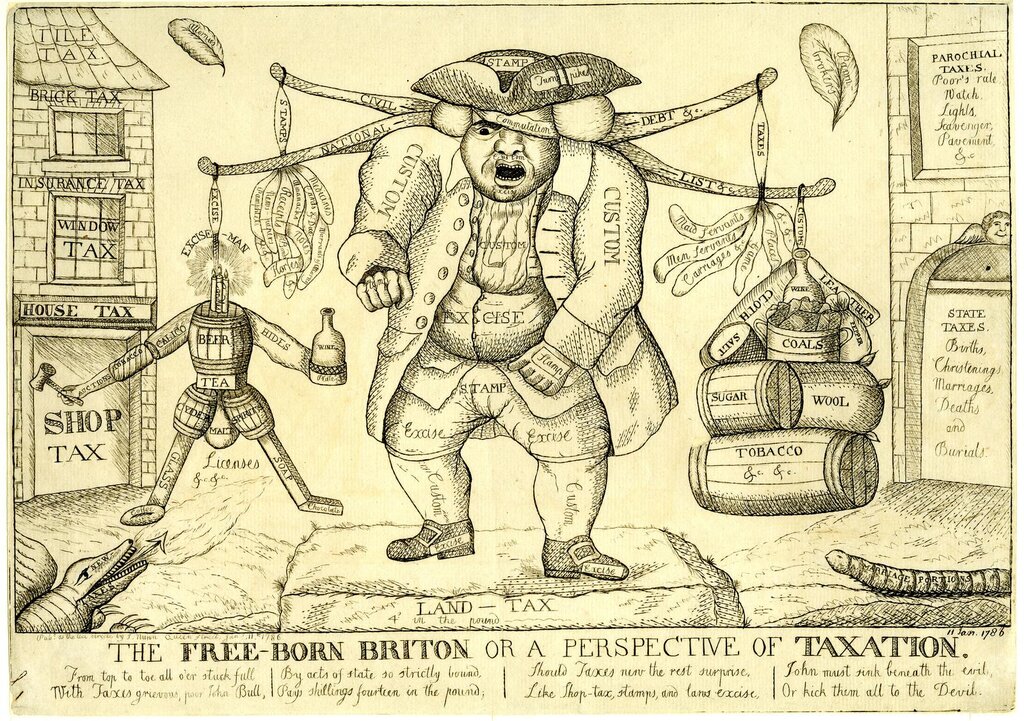
Taxation is not a modern invention. Ancient civilizations had their own forms of taxes. In ancient Egypt, the pharaoh collected a portion of every farmer's grain harvest. The Roman Empire taxed sales of goods and inheritances to fund its vast armies and infrastructure.
These early systems were often simple and direct. As societies grew more complex, so did their tax systems. Over centuries, governments moved from taxing goods and property to taxing income and business profits. The idea of linking taxes to a person's ability to pay became more common, laying the groundwork for the tax systems we know today.
The Role of Taxes in Society
So, where does all this money go? The primary role of taxes is to provide governments with the funds they need to operate and serve the public. Without taxes, many of the services we rely on daily wouldn't exist.
Taxes fund essential public services like:
- Infrastructure: Roads, bridges, and airports
- Safety: Police, firefighters, and the military
- Education: Public schools and libraries
- Health: Medical research and public health programs
- Social Programs: Support for the elderly and unemployed
By pooling resources, taxes allow for projects and services that would be impossible for individuals to fund alone. They are the financial engine of a functioning society, enabling shared investments in safety, prosperity, and well-being.
This flow shows how governments act as intermediaries, collecting funds and distributing them to provide essential services that benefit the entire community. It’s a continuous cycle that supports the structure of society.
What is the core definition of a tax?
The text compares paying taxes to a group of friends pitching in for a pizza. What does this analogy illustrate?