Understanding Tax Judgments
Introduction to Taxation
What Are Taxes For?
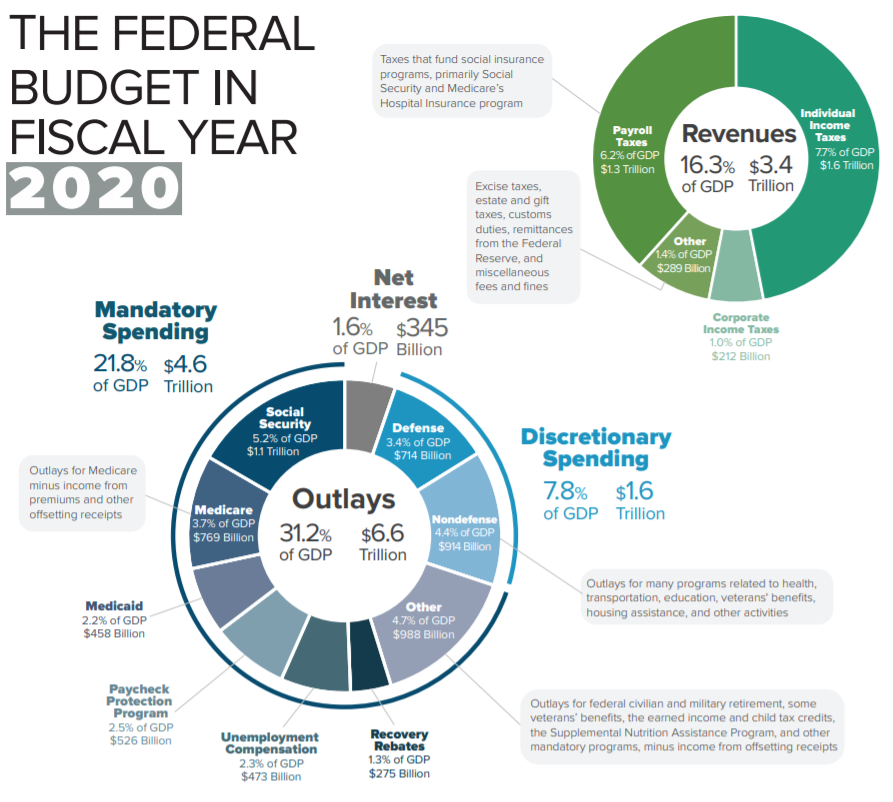
Governments provide services that benefit everyone in a society, like building roads, funding schools, maintaining parks, and ensuring national defense. But these things aren't free. Taxes are the primary way governments raise money to pay for them.
The most fundamental function of taxation is to fund public goods and services.
Think of taxes as a collective contribution. Everyone who pays is chipping in to a shared fund that supports the community's infrastructure and well-being. Without this funding, many of the essential services we rely on daily wouldn't exist.
Direct and Indirect Taxes
Not all taxes are collected in the same way. The two main categories are direct taxes and indirect taxes. The difference lies in who pays the tax and how it's handed over to the government.
Tax
noun
A mandatory financial charge imposed by a government on an individual or company to fund public expenditures.
A direct tax is levied directly on a person's or company's income or wealth. You are aware that you are paying it, and you pay it straight to the government. The most common examples are income tax, which is based on your earnings, and property tax, which is based on the value of real estate you own.
An indirect tax is collected by an intermediary, like a store, from the person who ultimately bears the cost. When you buy a product, the price often includes a sales tax. You pay the tax to the store, and the store then passes it on to the government. You pay it indirectly.
This table highlights the key differences.
| Feature | Direct Tax | Indirect Tax |
|---|---|---|
| Paid By | Individual or company | Final consumer |
| Collected By | Government | Intermediary (e.g., a retailer) |
| Basis | Income, wealth, profit | Goods and services |
| Visibility | Obvious to the taxpayer | Often hidden in the price |
How Taxes Work
The process of taxation involves two main steps: assessment and collection.
Tax assessment is the process of figuring out how much tax is owed. This is based on two key ideas:
- Tax Base: This is the item or amount that is being taxed. For income tax, the tax base is your income. For property tax, it's the value of your property.
- Tax Rate: This is the percentage at which the tax base is taxed. It can be a flat rate (everyone pays the same percentage) or a progressive rate (the percentage increases as the tax base increases).
To calculate the tax owed, you simply multiply the tax base by the tax rate.
Tax collection is how the government receives the money. For direct taxes like income tax, this often happens through withholding, where an employer deducts taxes from an employee's paycheck and sends it to the government. For indirect taxes like sales tax, collection happens at the point of sale. The seller collects the tax and later remits it to the government.
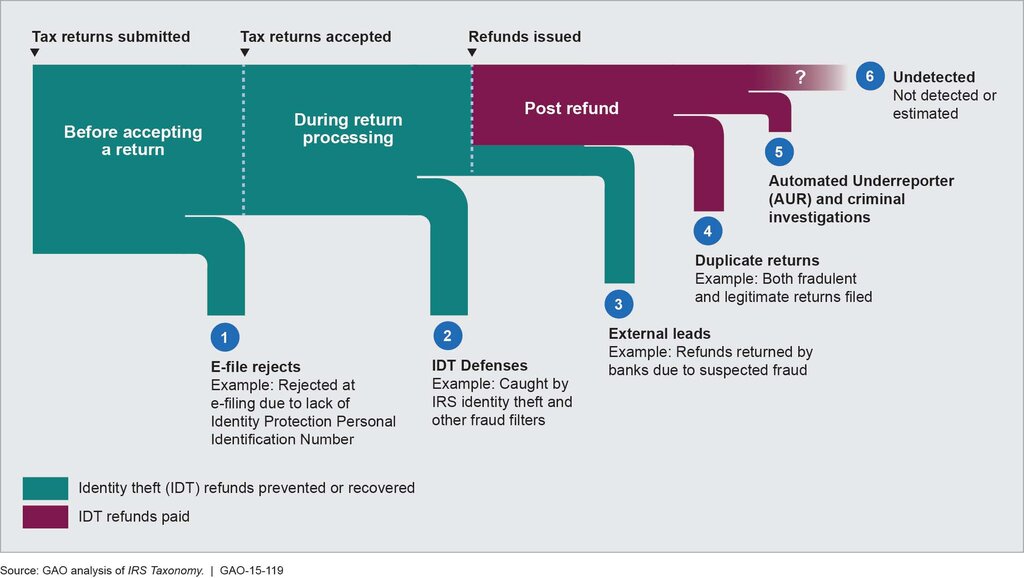
Most tax systems require individuals and businesses to file a tax return, which is a report of their income, profits, and other taxable information. This helps the government verify that the correct amount of tax has been paid.
Ready to check your understanding?
What is the primary purpose of taxes?
When you buy a laptop, the store adds a tax to the price. You pay the total amount to the store, which then sends the tax portion to the government. What kind of tax is this?
Understanding these basic concepts is the first step. Taxes are a fundamental part of how modern societies function, providing the resources needed for public programs and infrastructure.