Understanding TAVR Surgery
Aortic Valve Anatomy
The Heart's Exit Door
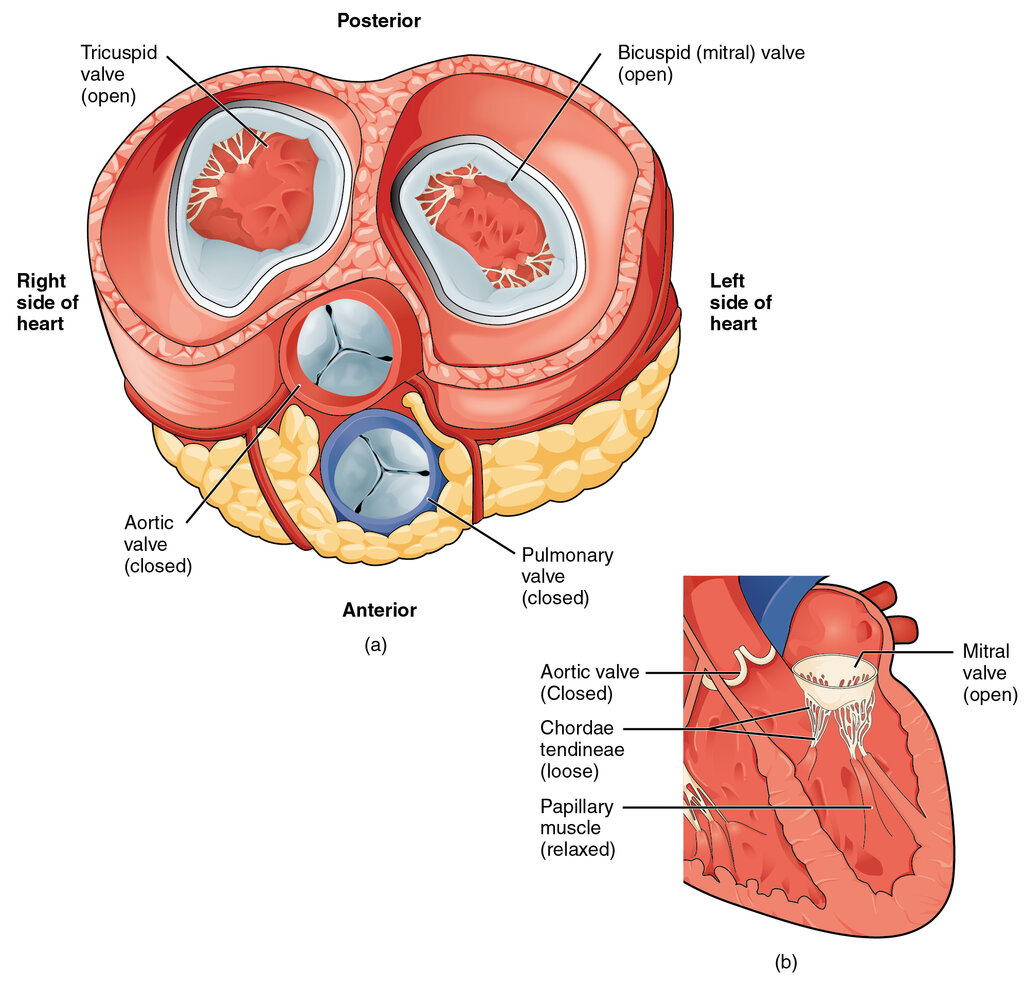
Your heart has four valves that act as one-way doors, making sure blood flows in the right direction. Think of them as traffic controllers for your circulation. Three of these valves manage blood flow between the heart's chambers or into the lungs. The fourth, the aortic valve, is the final gateway. It separates the heart's main pumping chamber, the left ventricle, from the aorta, which is the largest artery in your body.
When the left ventricle squeezes, it pumps oxygen-rich blood through the aortic valve and out to the rest of your body. This valve's job is critical. It must open wide to let blood out, then snap shut to prevent any of it from leaking back into the heart.
A Closer Look at the Structure
The aortic valve is a marvel of natural engineering. It's typically composed of three small, half-moon shaped flaps of tissue called leaflets or cusps. These leaflets are thin and flexible, yet incredibly strong, allowing them to withstand the high pressure of blood being pumped from the heart.
The leaflets are attached at their base to the wall of the aorta in a region called the aortic root. Just above the leaflets, the aortic wall has three small pouches called the sinuses of Valsalva. These sinuses are important because they are the origin of the coronary arteries, the vessels that supply the heart muscle itself with oxygenated blood.
The Cardiac Cycle in Action
The function of the aortic valve is tightly synchronized with the heart's rhythm, known as the cardiac cycle. This cycle has two main phases: systole and diastole.
During systole, the left ventricle contracts forcefully. The pressure inside the ventricle rises sharply, becoming higher than the pressure in the aorta. This pressure difference pushes the aortic valve's leaflets open, allowing a powerful jet of blood to be ejected into the aorta and distributed throughout the body.
Immediately after, during diastole, the left ventricle relaxes to refill with blood from the left atrium. As it relaxes, the pressure inside the ventricle drops below the pressure in the aorta. This pressure reversal causes blood in the aorta to momentarily flow backward toward the heart, which neatly snaps the aortic valve's leaflets shut. This tight seal prevents blood from leaking back into the ventricle, ensuring efficient, one-way circulation.
This elegant open-and-shut mechanism happens with every single heartbeat, over 100,000 times a day, ensuring your body gets the continuous supply of oxygenated blood it needs to function.
What is the primary function of the aortic valve?
During which phase of the cardiac cycle does the aortic valve open to allow blood to be ejected from the heart?