Understanding Tariffs
Introduction to Tariffs
What Are Tariffs?
A tariff is a tax placed on goods imported from another country. Think of it like a toll a country charges for products to cross its borders. When a ship full of French wine arrives in the United States, the U.S. government can add a tariff, which is an extra fee the importer has to pay.
Tariff
noun
A tax or duty to be paid on a particular class of imports or exports.
This tax is collected by the customs authority of the country imposing it. The core function of a tariff is simple: it increases the cost of bringing foreign products into a country. This has ripple effects on businesses and consumers alike.
By design, tariffs make imported goods more expensive in the domestic market.
The Purpose of Tariffs
Governments use tariffs for two primary reasons: to raise revenue and to protect domestic industries.
First, generating revenue. Like any other tax, the money collected from tariffs goes into the government's treasury. This income can then be used to fund public services like building roads, schools, or hospitals. For some countries, especially developing ones, tariffs can be a significant source of government income.
The second, and often more debated, purpose is protectionism. By making imported goods more expensive, tariffs give a competitive advantage to domestically produced goods.
Imagine you're shopping for a new pair of sneakers. A pair made in another country costs $50, while a similar pair made in your country costs $55. Most people would buy the cheaper, imported pair. But if the government adds a 20% tariff ($10) to the imported sneakers, their new price becomes $60. Suddenly, the locally made $55 pair is the better deal.
This strategy is meant to encourage consumers to buy local, which supports businesses and jobs at home. It’s often used to shield new, “infant” industries from large, established foreign competitors until they are strong enough to compete on their own.
How Tariffs Work in Trade
The mechanism of a tariff is built into a country's customs process. Every product that enters a country has to be declared to a customs agency. These products are classified using a standardized system that assigns a specific code to every type of item, from live animals to machinery.
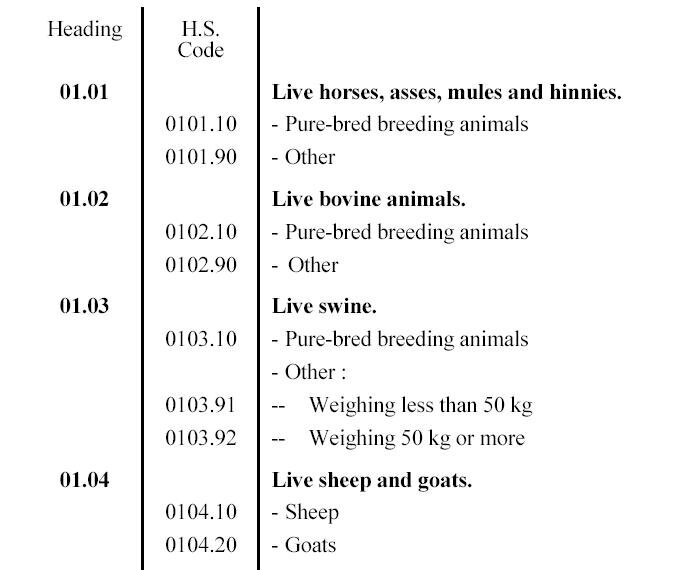
Each code has a corresponding tariff rate. When an importer brings a product into the country, they must file paperwork declaring what the goods are, where they are from, and how much they are worth. The customs authority then uses this information to calculate the tariff due.
The importer pays the tariff. However, this extra cost doesn't just disappear. The importer usually passes this cost on to the next person in the supply chain, like a wholesaler or retailer. Ultimately, some or all of this cost is passed on to the final consumer in the form of a higher price tag on the shelf.
Tariffs function as a tax on imports, with much of the cost ultimately passed through to consumers.
So, while the government's goal might be to protect a local factory, the tool it uses—the tariff—can end up raising prices for everyone who buys that type of product, whether it’s imported or not.
Let's review the main ideas we've covered.
Now, check your understanding with a few questions.
What is the primary function of a tariff?
A government might impose a tariff on foreign steel to help a new, developing domestic steel industry. This practice is known as protecting a(n) _________ industry.
In short, tariffs are a fundamental tool in international trade. They act as a gatekeeper, influencing which goods enter a country and at what price, with the dual goals of raising money and protecting local industries.