Understanding Tables
Introduction to Tables
What Is a Table?
At its core, a table is a tool for organization. Whether it’s a physical object in your dining room or a digital grid on a screen, its purpose is to arrange items in a clear, systematic way. This simple structure helps us make sense of the world around us.
A table creates order out of chaos, putting related things together so we can see them clearly.
Think about a dinner table. It provides a flat, stable surface where food, plates, and people can gather in an organized way. Without it, a meal would be a jumble on the floor. Now, think about a table of numbers, like a bus schedule. It organizes times and locations into rows and columns. Without this structure, the information would be a confusing list of numbers and names. Both types of tables serve the same fundamental purpose: they provide a framework for order and function.
A Brief History
Physical tables have been around for thousands of years. Ancient Egyptians used stone and wood platforms for eating and working, while the Greeks and Romans refined them for social gatherings and displays of wealth. These early tables were simple solutions to the basic need for a raised, flat surface to place objects on.
The idea of using tables to organize information is just as old. Early accountants and merchants used clay tablets and scrolls to create columns for tracking goods and money. This tabular format made it easier to manage inventory and calculate profits. Scribes and scholars used tables to create calendars, star charts, and indexes for books. They discovered that arranging information visually in a grid made it much easier to access and understand.
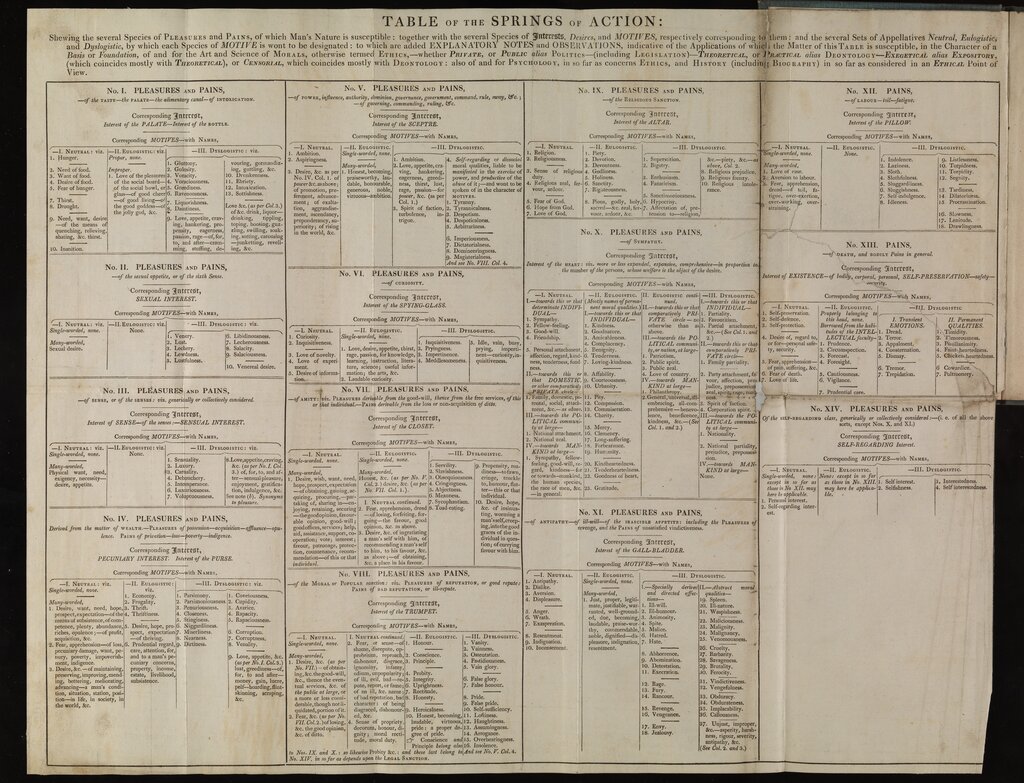
As societies grew more complex, so did the need for organization. The invention of the printing press allowed for the mass production of books with tables of contents and financial ledgers, making structured information accessible to more people. The core concept remained unchanged: a grid of rows and columns is a powerful way to organize information.
Structure in Two Worlds
Today, the concept of the table thrives in two parallel worlds: the physical and the digital.
In the world of furniture, a table is a centerpiece for human activity. A desk organizes your work life, providing a dedicated space for your computer, papers, and tools. A coffee table anchors a living room, holding drinks, books, and remote controls. These pieces of furniture don't just hold things; they define spaces and facilitate interactions, bringing order to our physical environment.
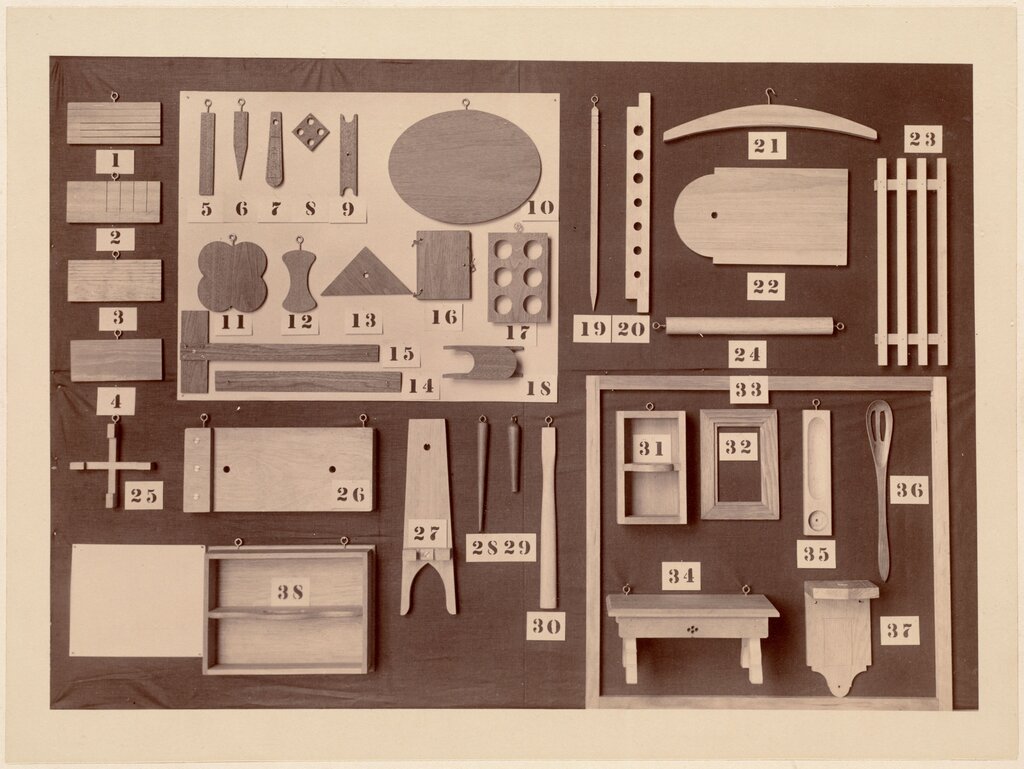
In the world of data, tables are the fundamental building blocks for storing information. From simple spreadsheets to complex databases that run global companies, tables organize data into rows (records) and columns (fields). This structure is what allows us to sort, filter, and analyze information efficiently. A table can show a list of customers, the inventory of a store, or the results of a scientific experiment. By placing data into this structured format, we turn raw facts into useful knowledge.
Tables are the fundamental data structure in Lua, and mastering table manipulation is essential for efficient data storage and retrieval.
Whether made of wood or built from code, all tables share a common DNA. They are structures that bring clarity and purpose to the items they contain, making our lives and our data much more manageable.