Understanding Synthesis
Introduction to Synthesis
The Art of Putting Things Together
At its heart, synthesis is about creation. It's the process of taking individual parts, ideas, or elements and combining them to form a new, more complex whole. Think of it like building with LEGO bricks. You start with simple, separate pieces, but by connecting them in a thoughtful way, you can create a spaceship, a castle, or anything you can imagine. The final creation is more than just the sum of its parts; it has a new structure and purpose.
synthesis
noun
The combination of components or elements to form a connected whole.
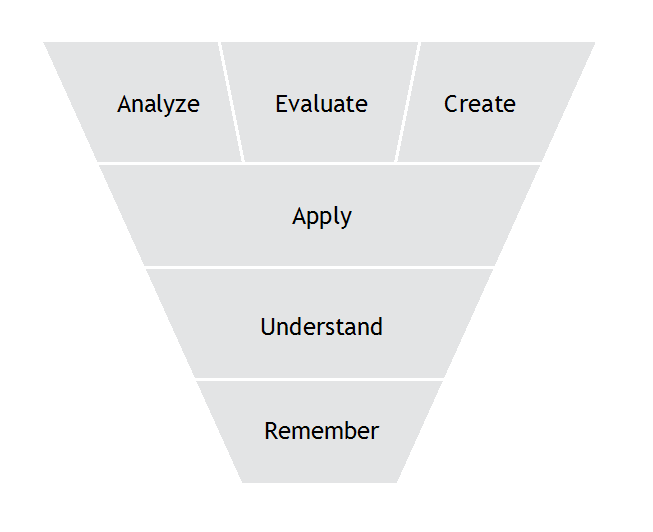
This fundamental act of combination is a cornerstone of how we understand and shape the world. It’s a key skill in critical thinking, allowing us to connect different pieces of information to form a coherent understanding. From scientific discovery to artistic expression, synthesis is the engine of innovation.
Synthesis in Action
The power of synthesis is clear when you see how it works across different fields. Each discipline uses the same core principle of combination but applies it in unique ways.
In chemistry, synthesis means creating complex molecules from simpler ones. Chemists are like molecular architects, designing and building everything from life-saving medicines to durable materials. A simple example is the formation of water (), where hydrogen and oxygen atoms combine to create something entirely new.
Biology is full of synthesis. The most famous example is photosynthesis, the process plants use to create their own food. They take simple ingredients, carbon dioxide and water, and use the energy from sunlight to synthesize them into glucose, a sugar that fuels life.
“Think of photo like taking a photo with sunlight, and synthesis means putting things together—plants use sunlight to put together food.”
In philosophy, synthesis often refers to the dialectical method, most famously associated with Georg Wilhelm Friedrich Hegel. This process involves a starting idea (a thesis), which is then challenged by an opposing idea (an antithesis). The tension between the two is resolved by forming a new, more nuanced idea (the synthesis), which incorporates truths from both sides.
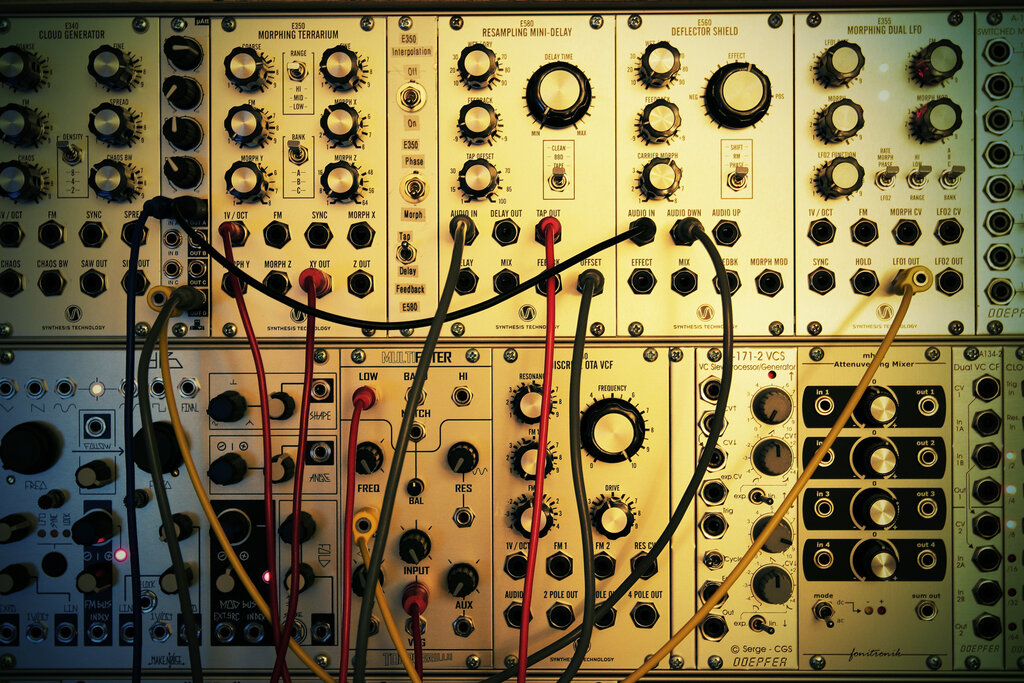
The arts are also a playground for synthesis. A composer synthesizes melody, harmony, and rhythm to create a symphony. A novelist weaves together plot, character, and theme. In electronic music, a synthesizer is an instrument that generates sound by combining basic waveforms, allowing musicians to craft entirely new sonic textures.
A Concept Through Time
The idea of synthesis isn't new. Ancient Greek philosophers used it to build logical arguments. Alchemists in the Middle Ages practiced a primitive form of chemical synthesis, trying to combine elements to create valuable substances like gold.
However, it was during the Scientific Revolution that synthesis truly came into its own. Scientists developed systematic methods for combining substances and ideas, leading to rapid advancements in chemistry, physics, and biology. This methodical approach to creation and discovery continues today, driving progress in fields from materials science to artificial intelligence.
Now let's check your understanding of these core concepts.
According to the text, what is the fundamental principle of synthesis?
In the Hegelian dialectical method, the 'synthesis' resolves the tension between which two opposing concepts?
Synthesis is a powerful tool for learning and creation. By understanding how to combine different parts into a meaningful whole, you can develop a deeper understanding of almost any topic.