Understanding Sex Biology and Society
Introduction to Human Sexuality
Sex, Gender, and You
Human sexuality is more than just biology. It's a complex mix of our bodies, our identities, and our feelings of attraction, all shaped by the world around us. To understand it, we need to get a few key terms straight.
sex
noun
A biological classification based on a combination of factors, including chromosomes, hormones, and internal and external anatomy.
When we talk about sex, we're referring to biological characteristics. Most people are classified as male (typically with XY chromosomes) or female (typically with XX chromosomes) at birth. These categories are often seen as simple and fixed.
However, biology is rarely that neat. Some people are born intersex, a general term for a variety of conditions where a person's reproductive or sexual anatomy doesn't fit the typical definitions of female or male. This shows that biological sex exists on a spectrum, not just as a binary choice.
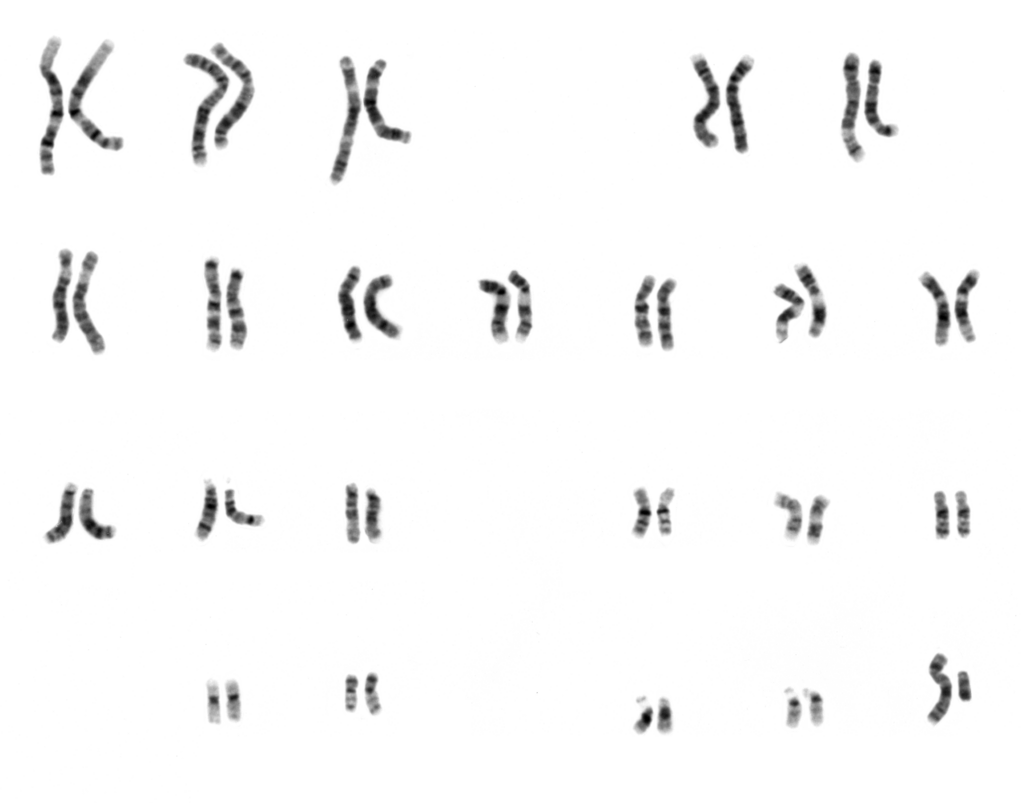
While sex is about the body, gender is about who we are and how we see ourselves in society. It's a different concept entirely.
gender
noun
The social and cultural roles, behaviors, and expressions that a society considers appropriate for men and women. This includes a person's internal sense of self, known as gender identity.
Your gender identity is your own deep, internal feeling of being male, female, a blend of both, or neither. This feeling may or may not match the sex you were assigned at birth. Someone who is assigned male at birth but identifies as a woman is a transgender woman. Someone whose gender identity aligns with the sex they were assigned at birth is cisgender.
Gender expression is how you show your gender to the world through things like clothing, hairstyle, and mannerisms. It’s an outward presentation and can be independent of both biological sex and gender identity.
Think of it this way: Sex is biological. Gender is social and personal.
The Role of Culture
What's considered "masculine" or "feminine" isn't universal. It changes drastically across cultures and throughout history. What one society sees as a typical male role, another might see differently. These ideas, or norms, are learned from our families, schools, media, and communities.
For example, in many Western cultures, it was once considered masculine for men to wear high heels and wigs. Today, those same fashion choices are often associated with femininity. These shifts show that ideas about gender are not fixed; they are constantly being shaped and reshaped by society.
Our results provide converging evidence that the cyclic sexual and reproductive behavior of human populations is mostly driven by culture...
This cultural influence extends to sexual norms as well. Societies have different rules and expectations about relationships, marriage, and sexual behavior. What is considered acceptable or taboo in one place might be perfectly normal in another. Understanding these cultural contexts is key to understanding the full picture of human sexuality.
Defining Sexuality
Finally, we have sexuality, which is about who you are attracted to romantically, emotionally, and sexually. Like sex and gender, it's a core part of who you are.
sexuality
noun
A person's capacity for sexual feelings and their sexual orientation or preference. It encompasses sexual attraction, behaviors, and identity.
This is often referred to as sexual orientation. Some common orientations include:
- Heterosexual: Attraction to people of the opposite gender.
- Homosexual (Gay/Lesbian): Attraction to people of the same gender.
- Bisexual: Attraction to more than one gender.
- Asexual: Experiencing little or no sexual attraction.
This is not an exhaustive list. Sexuality is a spectrum, and there are many ways people identify their attractions. Most importantly, sex, gender, and sexuality are all separate components of a person's identity. One doesn't determine the others.
Ready to check your understanding of these foundational concepts?
Which statement best distinguishes between 'sex' and 'gender'?
A person is assigned male at birth and identifies as a man. This individual is best described as:
By understanding these distinct concepts, we can better appreciate the diverse ways people experience their identities and relationships.