Understanding Severe Vitamin B12 Deficiency
Vitamin B12 Biochemistry
The Essential Cofactor
Vitamin B12, also known as cobalamin, doesn't work alone. Its power lies in its role as a cofactor, a helper molecule that activates enzymes. Think of it as a key that starts an engine. Without the key, the engine can't run. In the human body, Vitamin B12 operates in two active forms: methylcobalamin and adenosylcobalamin. Each form is a key for a different, highly specific enzymatic engine.
Fueling DNA Synthesis
One of the most critical jobs for Vitamin B12 is in the synthesis of DNA. This process relies on an enzyme called methionine synthase, which requires methylcobalamin to function.
Methionine synthase orchestrates a crucial chemical reaction: it converts a compound called homocysteine into methionine, an essential amino acid. This isn't just about making one amino acid. Methionine is the precursor to S-adenosylmethionine (SAM), the body's primary “methyl donor.”
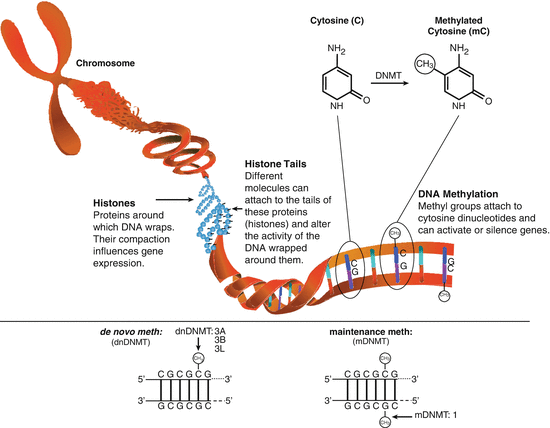
A methyl donor is a molecule that transfers a small chemical group—a methyl group ()—to other molecules, a process vital for countless biological functions.
SAM donates its methyl group to help build and repair DNA, regulate genes, and synthesize neurotransmitters. When it comes to DNA, these methyl groups are essential for creating purines and pyrimidines, the fundamental building blocks of our genetic code. Without a steady supply of methionine and SAM, cells can't replicate their DNA properly. This is especially problematic for rapidly dividing cells, like those in our bone marrow that produce red blood cells.
A deficiency in Vitamin B12 throws a wrench in this system. The methionine synthase engine stalls. As a result, homocysteine levels rise, and the production of methionine and SAM plummets. This also creates a problem known as the "folate trap." Folate, another B vitamin crucial for DNA synthesis, gets stuck in an unusable form because the B12-dependent reaction is the only way to recycle it. The end result is a DNA synthesis crisis.
Maintaining the Myelin Sheath
The second major role for Vitamin B12 involves the nervous system, specifically the maintenance of the myelin sheath. Myelin is a fatty substance that insulates nerve fibers, allowing electrical signals to travel quickly and efficiently throughout the body. The key enzyme here is methylmalonyl-CoA mutase, which uses adenosylcobalamin as its cofactor.
This enzyme is part of the pathway that breaks down certain fatty acids and amino acids. It converts a molecule called L-methylmalonyl-CoA into succinyl-CoA. Succinyl-CoA is an important intermediate that can then enter the Krebs cycle, a central hub of cellular energy production.
When Vitamin B12 is deficient, methylmalonyl-CoA mutase stops working. This causes a buildup of its substrate, methylmalonyl-CoA, and a related compound, methylmalonic acid (MMA). High levels of these substances are toxic to nerve cells. They are thought to disrupt the normal synthesis of fatty acids, leading to the formation of an unstable, dysfunctional myelin sheath. This damages nerve fibers and impairs neurological function.
In essence, Vitamin B12's role as a cofactor for these two enzymes is fundamental to our health. One reaction builds our DNA, and the other protects our nerves. A shortage of B12 compromises both of these critical systems.
What are the two primary active forms of Vitamin B12 in the human body?
A deficiency in Vitamin B12 can lead to a 'folate trap'. What does this mean?