Understanding Serbian Road Law
Introduction to Serbian Road Law
The Rules of the Road
Every country has a system for managing its roads, and Serbia is no exception. The main guide is the Law on Roads, or Zakon o putevima. This law isn't just a list of rules for drivers. It's a blueprint for how roads are planned, built, managed, and maintained to ensure they are safe and efficient for everyone.
Think of it as the operating manual for the entire road network, from major highways connecting cities to the small streets in your neighborhood. It sets out the standards and responsibilities to keep traffic flowing and people safe.
Public Road
noun
A road that is open for use by any person under the conditions specified by law and traffic regulations. It includes streets, squares, and any public traffic area.
The most important category within public roads is the state road (državni put). These are the main arteries of the country, connecting major cities, regions, and international borders. They are managed at the national level to ensure consistency and quality across the country.
Types of Roads
Serbian law classifies state roads into different categories based on their design and purpose. This helps manage traffic flow and safety. Understanding these categories can help you know what to expect on your journey.
| Category | Serbian Name | Description | Speed Limit (Typical) |
|---|---|---|---|
| Motorway | Autoput | A high-speed road with at least two lanes in each direction, separated by a median. Access is restricted to specific entry and exit ramps. | 130 km/h |
| Expressway | Brzi put | Designed for fast traffic, but may have fewer lanes or less strict access control than a motorway. It connects important economic centers. | 100 km/h |
| State Road I | Državni put I reda | A major road connecting significant parts of the country or linking to roads in neighboring countries. | 80 km/h |
| State Road II | Državni put II reda | Connects regions within Serbia or links to the state road network. | 80 km/h |
Beyond state roads, there are also local roads (opštinski putevi). These include the streets within a city or municipality and the roads connecting villages. They are managed by local governments.
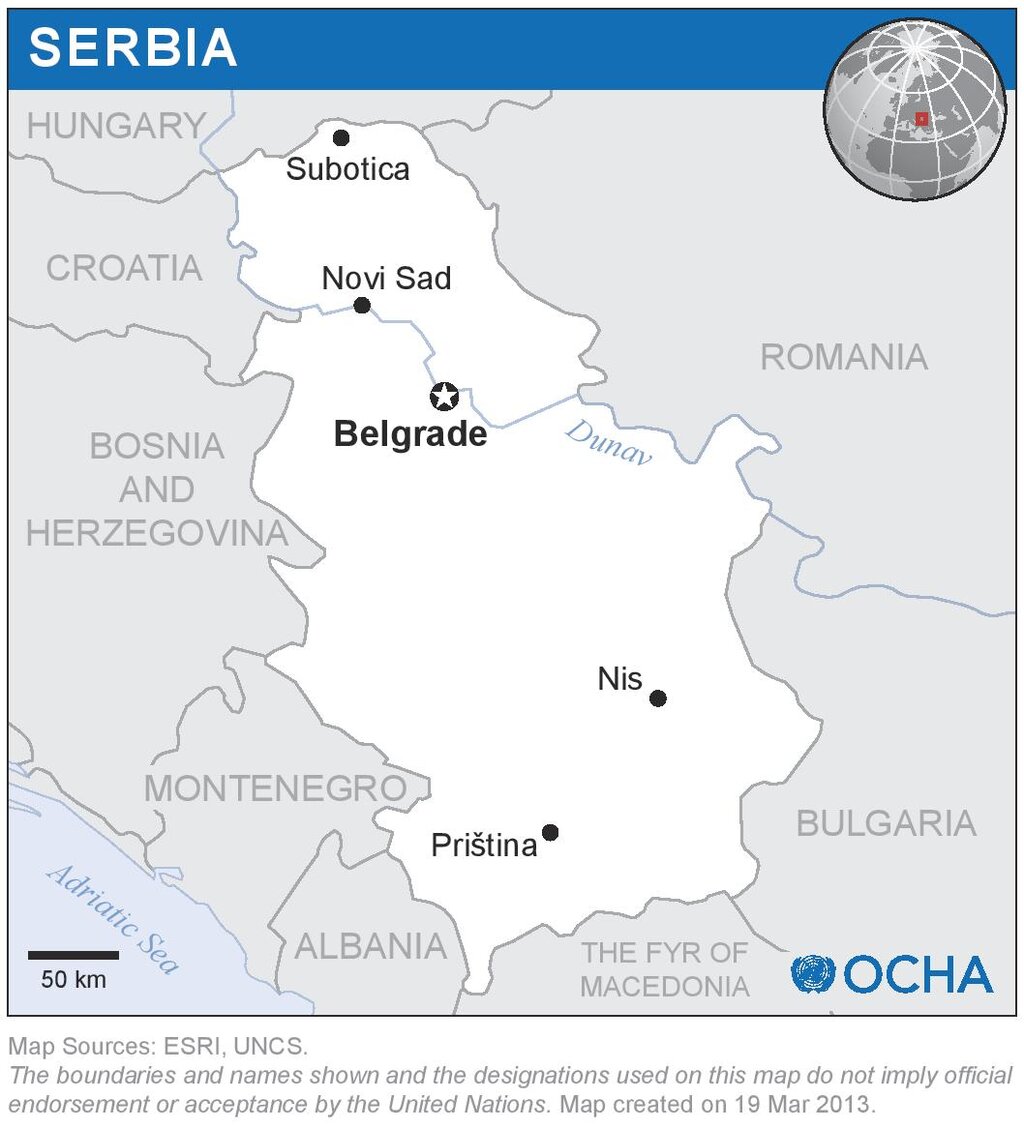
So, if you drive from Belgrade to Niš, you'll use the A1, a state-managed motorway. But the street leading to a local shop in Niš is a local road, managed by the city.
Who Manages the Roads?
The management of Serbia's road network is divided between national and local authorities. The primary national body is the Public Enterprise "Roads of Serbia" (JP Putevi Srbije).
This organization is responsible for the planning, construction, maintenance, and toll collection for all state roads, including motorways and expressways. Their job is to ensure that these crucial routes are safe, well-maintained, and capable of handling national and international traffic.
Local roads, on the other hand, are the responsibility of the individual municipalities or cities they fall within. This allows local communities to manage their streets according to their specific needs and priorities.
What is the primary purpose of the Serbian Zakon o putevima (Law on Roads)?
Which organization is primarily responsible for the management of state roads (državni putevi) in Serbia?
This legal framework provides the foundation for a structured and safe road system throughout Serbia.