Understanding Sensory Processing
Introduction to Sensory Processing
Making Sense of Sensation
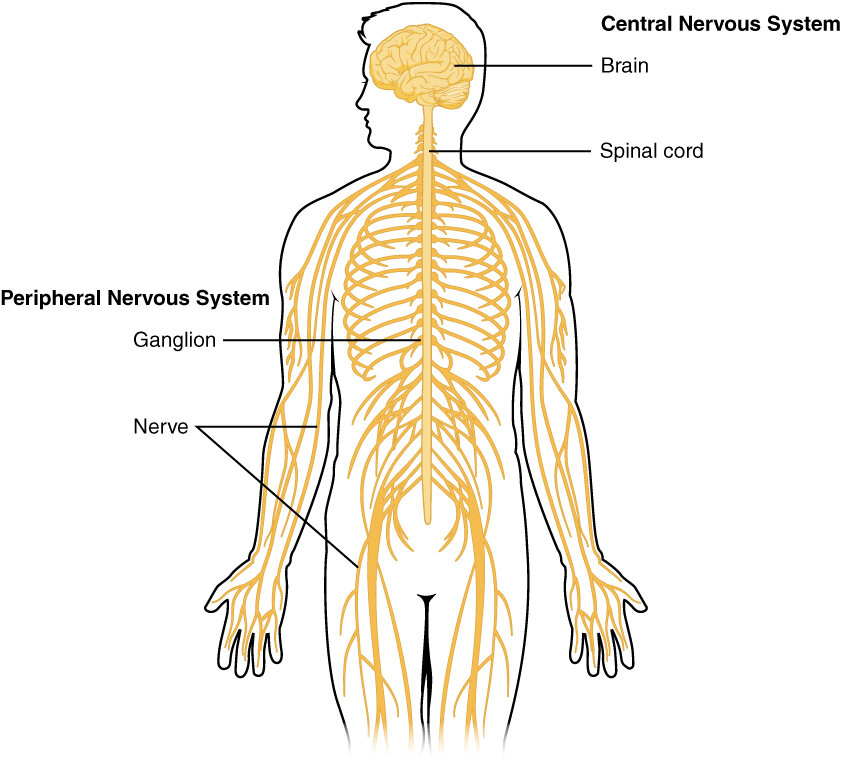
Every moment of your life is a flood of information. The light from your screen, the hum of a computer, the feeling of the chair you're sitting on, the lingering taste of your last meal. Your brain constantly takes in all this data from your surroundings and your own body. But it doesn't just passively receive it; it has to act like a busy traffic controller, directing, organizing, and interpreting everything so you can make sense of it all. This crucial job is called sensory processing.
Sensory Processing
noun
The neurological process that organizes sensation from one's own body and from the environment, making it possible to use the body effectively within that environment.
Think of it as your nervous system's way of managing incoming mail. It receives countless pieces of information, sorts them into meaningful categories, and decides which ones need an immediate response, which can be filed away for later, and which can be ignored as junk mail. This filtering is essential. Without it, we'd be overwhelmed by the sheer volume of sensory input.
The Sensory Team
When we talk about senses, most of us think of the classic five: sight, sound, smell, taste, and touch. These are our external senses, gathering information about the world outside our bodies. They tell us if a berry is ripe, if a car is approaching, or if a storm is coming.
| Sense | What it Detects |
|---|---|
| Sight (Vision) | Light, color, and movement |
| Hearing (Audition) | Sound waves and vibrations |
| Smell (Olfaction) | Chemical particles in the air |
| Taste (Gustation) | Chemicals in food |
| Touch (Tactition) | Pressure, temperature, and texture |
But there's more to the story. We also have internal senses that give us information about what's happening inside our bodies. Two of the most important are the vestibular sense and proprioception.
The vestibular sense, located in our inner ear, is our internal guidance system. It’s responsible for our sense of balance and spatial orientation. It tells us if we are moving or still, and if our head is upright or tilted. It's what allows you to walk without falling over or get dizzy after spinning in a circle.
Proprioception is your body awareness sense. It comes from receptors in your muscles and joints that tell your brain where your body parts are and what they're doing without you having to look. It's how you can touch your nose with your eyes closed or walk up a flight of stairs without staring at your feet.
Putting It All Together
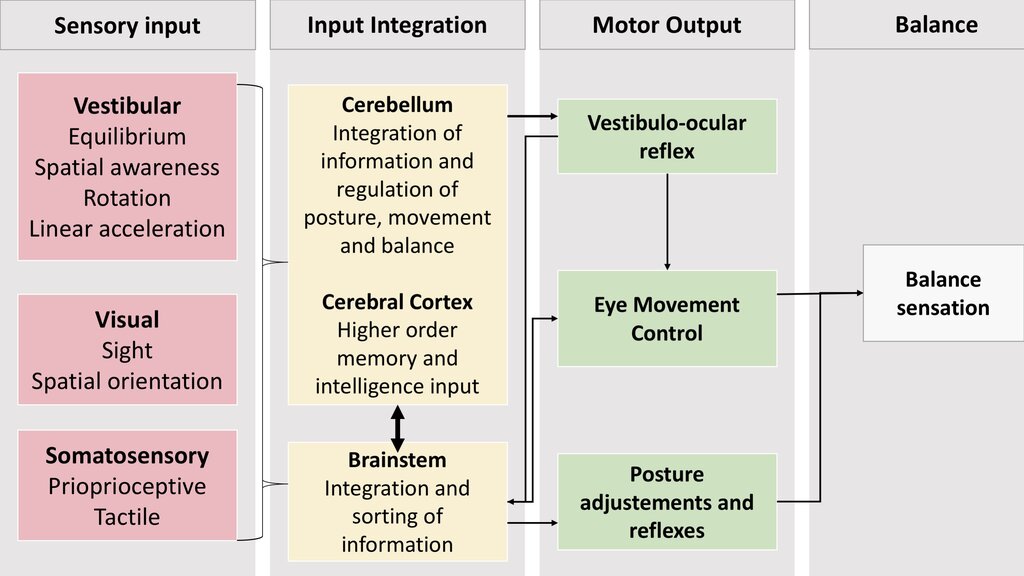
Sensory processing isn't just about receiving information; it’s about integrating it to create a complete picture of our reality. Your brain takes the input from all these different senses and weaves it together into a single, seamless experience.
Imagine you're biting into a fresh apple. Your sense of sight sees its red color. Your sense of touch feels its smooth skin. Your sense of smell detects its sweet aroma. When you bite down, your hearing registers the crisp crunch, while your taste buds savor its flavor. At the same time, proprioception tells you how wide to open your mouth and how hard to bite.
All these signals arrive in the brain simultaneously. The brain’s job is to organize this flood of data so you can simply think, “This is a delicious apple.”
This seamless integration allows us to interact with the world purposefully. It helps us feel grounded, safe, and confident as we navigate our daily lives.
From learning to ride a bike to cooking a meal or having a conversation, sensory processing is the foundation of almost everything we do. It allows us to tune out irrelevant background noise to focus on a friend's voice, to adjust our grip on a pen so we can write, and to enjoy the simple pleasure of a warm hug. It works behind the scenes, constantly helping us respond appropriately to our environment.
Now, let's test your knowledge on the basics of sensory processing.
What is the primary function of sensory processing?
The ability to walk up stairs without constantly looking at your feet is a prime example of which sense?
Understanding how we process the world is the first step in appreciating the complex and amazing work our nervous system does every second.