Understanding Secondary Education
Secondary Education Overview
The Bridge to Adulthood
After children master the basics of reading, writing, and arithmetic in primary school, they move on to the next major phase of their learning journey. This stage, typically for students aged 11 to 18, is known as secondary education.
Secondary Education
noun
The period of education following primary school and preceding higher education, generally catering to adolescents.
Think of it as a bridge. On one side is childhood and foundational learning. On the other is adulthood, with its demands for specialized skills and deeper knowledge. Secondary education is the structure that helps students cross that gap.
Its core purpose is to broaden a student's intellectual horizons. It builds on primary skills, introducing more complex subjects like algebra, biology, world history, and literature. The goal is to prepare young people for their next step, whether that's attending a university, entering a specialized training program, or joining the workforce.
Different Paths, Same Goal
Not all secondary schools look the same. Around the world, different systems have evolved to meet different needs. Most, however, can be grouped into two main tracks: academic and vocational.
An academic track focuses on theoretical subjects like math, science, and humanities, primarily preparing students for university. A vocational track focuses on practical, hands-on skills for specific trades, such as plumbing, graphic design, or culinary arts.
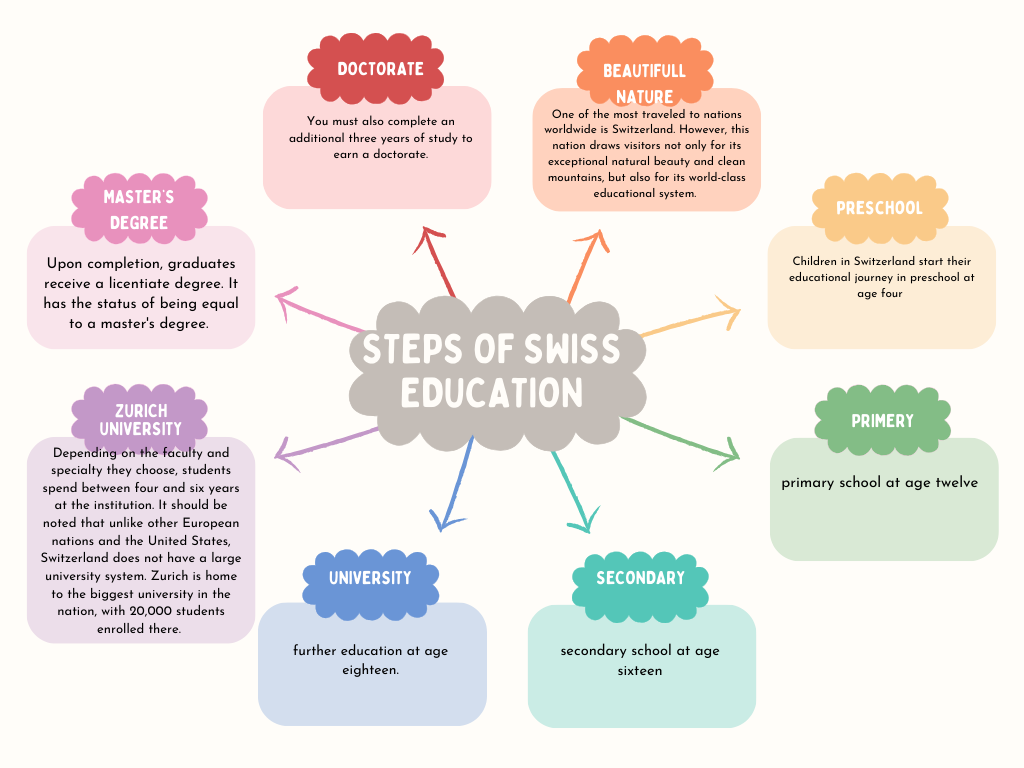
Some countries, like Germany with its renowned "dual system," have strong, distinct vocational paths where students split time between the classroom and a workplace apprenticeship. Other countries favor comprehensive high schools, common in the United States, which house both academic and vocational programs under one roof. In places like Japan and South Korea, the system is intensely focused on the academic track, with rigorous preparation for university entrance exams.
A Brief History
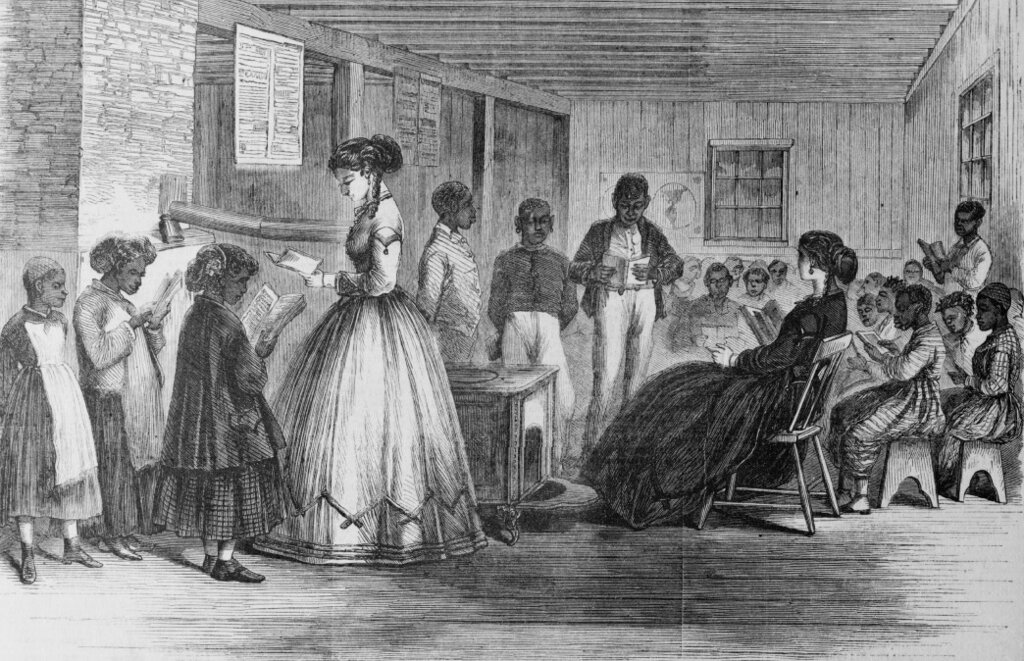
For much of history, formal education beyond basic literacy was a luxury reserved for the wealthy elite, often focused on religion, philosophy, and classical arts. The idea of secondary education for the general population is relatively modern.
The Industrial Revolution in the 18th and 19th centuries created a demand for a more educated workforce. As factories and businesses required workers with technical skills and administrative abilities, public pressure for more advanced schooling grew. Initially, these schools were often segregated by gender and social class.
By the 20th century, many developed nations began establishing mass secondary education systems. The focus shifted from educating a small elite to providing universal access, seen as a cornerstone of economic progress and social mobility. This expansion led to the comprehensive school model, aiming to provide a standardized education to all students in a community.
Modern Trends and Hurdles
Today, secondary education is evolving rapidly. One major trend is the integration of technology in the classroom. Digital tools are changing how students learn, from interactive whiteboards to online research and collaborative projects. This shift also brings the challenge of ensuring equitable access to technology for all students, a problem known as the digital divide.
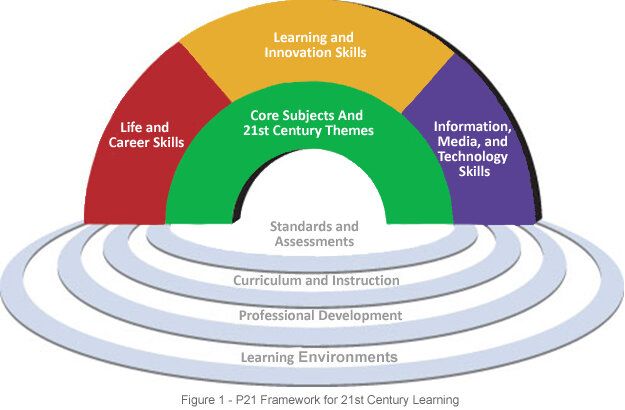
Another trend is a growing emphasis on "21st-century skills." Educators and employers argue that in addition to traditional academic knowledge, students need skills like critical thinking, creativity, communication, and collaboration to thrive in a globalized, automated world.
However, significant challenges remain. In many parts of the world, access to quality secondary education is still limited, especially for girls and students in rural areas. Funding shortages, teacher training, and outdated infrastructure are persistent hurdles. There's also an ongoing debate about standardization versus personalization: should all students follow the same path, or should education be tailored to individual needs and talents?
The planned curriculum overhaul is seen as a necessary step to future-proof Ghana's youth, but its success will heavily depend on addressing the infrastructural and resource deficits that currently leave thousands of children studying in rudimentary, "unacceptable" conditions.
These questions are at the heart of how we shape the future of secondary education. How we answer them will determine how well we prepare the next generation for the world they will inherit.
Ready to check your understanding?
What is the core purpose of secondary education, as described in the text?
The text describes two main tracks that most secondary education systems can be grouped into. What are they?
Secondary education serves as a critical link, shaping individual futures and entire societies. By understanding its structure and challenges, we can better appreciate its vital role.