Understanding Seampoints in Sewing
Understanding Seams
The Humble Seam
At its heart, sewing is all about joining pieces of fabric together. The line where two pieces meet and are stitched is called a seam. It’s the fundamental building block of any garment, turning flat cloth into a three-dimensional object you can wear. Without seams, a shirt would just be a collection of disconnected fabric shapes.
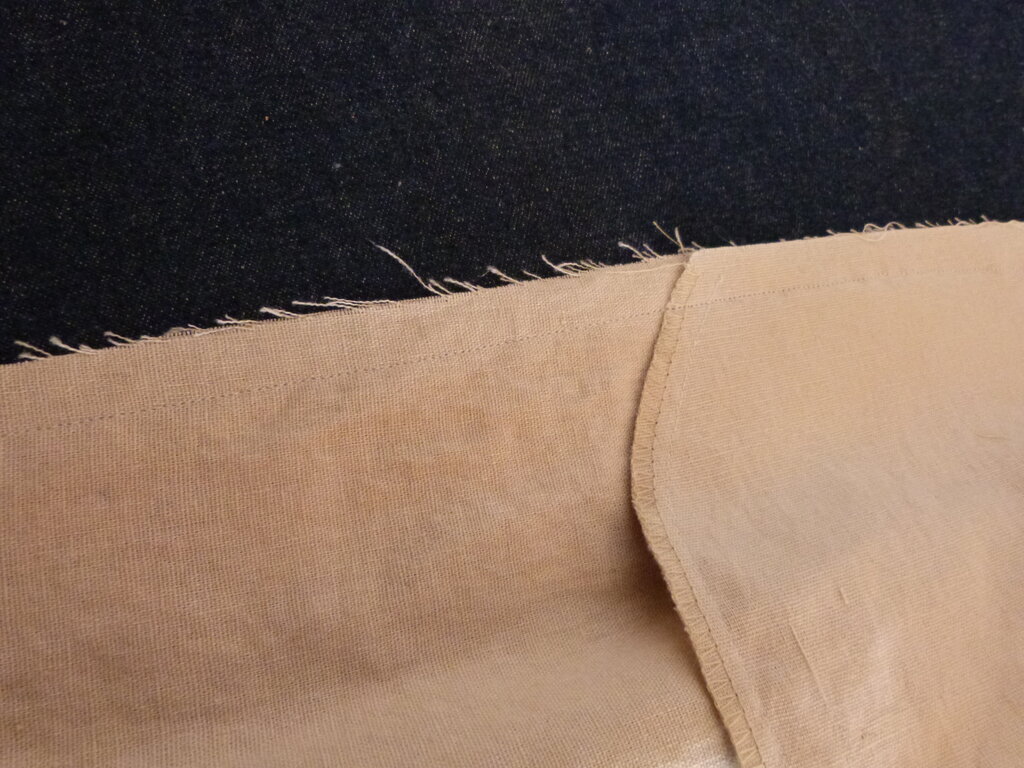
Every pattern piece includes extra fabric along its edges, beyond the final stitch line. This buffer zone is crucial. It gives you space to sew and ensures the garment doesn't fall apart at the seams. This area is known as the seam allowance.
seam allowance
noun
The area between the edge of the fabric and the stitching line, typically ranging from 1/4 inch to 1 inch.
The seam allowance provides structure and strength. If you stitch too close to the edge, the fabric can fray and pull apart. A proper allowance keeps the seam secure, even under stress from movement. It's an essential part of a durable, well-fitting garment.
Common Seam Types
Not all seams are created equal. The type of seam you use depends on the fabric, the garment's purpose, and the desired finish. Let's look at three of the most common and versatile seams.
Plain Seam: The Workhorse The plain seam is the most basic and widely used seam in sewing. It's simple, fast, and works for most fabrics.
To create a plain seam, you place the two fabric pieces with their right sides facing each other. You then stitch along the seam line. After sewing, you press the seam allowances open with an iron, creating a flat, smooth join. It's the go-to for everything from dress side seams to pillowcases.
French Seam: The Elegant Finish A French seam is a seam within a seam. It encloses the raw edges completely, creating a very clean, professional finish on the inside of the garment. This makes it perfect for sheer or delicate fabrics like silk chiffon or organza, where the seam allowance would be visible.
Its construction is a two-step process. First, you place the fabric with the wrong sides together and sew a narrow seam. Then, you trim the seam allowance, fold the fabric along the stitch line with the right sides together, and sew another seam just outside the first one. This second line of stitching encases the raw edges from the first seam.
French seams are our go-to for high-end pieces where you can’t afford unsightly raw edges.
Flat-Felled Seam: The Durable Choice If you've ever looked closely at a pair of jeans, you've seen a flat-felled seam. It's incredibly strong and durable, which is why it's used for workwear and heavy-duty items. It involves folding one seam allowance over the other and topstitching it down, creating two visible lines of stitching on the outside.
Like a French seam, it encloses the raw edges, but it results in a bulkier, more visible seam. This makes it both a functional and decorative element, ideal for sturdy fabrics like denim and canvas.
| Seam Type | Best For | Appearance | Strength |
|---|---|---|---|
| Plain | Most woven fabrics | Flat, inconspicuous | Good |
| French | Sheer, lightweight fabrics | Clean, no raw edges | Moderate |
| Flat-Felled | Heavy-duty fabrics (denim) | Two rows of topstitching | Very Strong |
Avoiding Common Problems
Even a simple seam can go wrong. Understanding common issues can help you prevent them from happening in the first place.
One frequent problem is puckering, where the fabric along the seam looks gathered or wrinkled. This can happen if the thread tension on your machine is too tight, or if you're using the wrong type of needle or thread for your fabric. Always test your stitches on a scrap piece of fabric first to check the tension.
Seam slippage occurs when the threads of the fabric pull away from the seam line, leaving a gap. This is common in loosely woven or slippery fabrics like satin. Using a smaller stitch length or a wider seam allowance can help prevent this by giving the stitches more fabric to hold onto.
Finally, there's misalignment, where the edges of your two fabric pieces don't match up at the end of the seam. This is often caused by one layer of fabric stretching or shifting as you sew. Using pins or clips to hold the layers together securely before you start stitching is the best way to keep everything lined up.
Now, let's test your knowledge on these foundational sewing skills.
What is the fundamental role of a seam in garment construction?
What is the main purpose of a seam allowance?
Mastering these basic seams opens up a world of creative possibilities, providing the foundation for almost any project you can imagine.