Understanding SaaS Products
Introduction to SaaS
What is SaaS?
Software as a Service, or SaaS, is a way of delivering applications over the internet as a service. Instead of installing and maintaining software, you simply access it via the internet, freeing yourself from complex software and hardware management.
Software as a Service (SaaS) is a cloud-based software delivery model in which applications are hosted and provided to users over the internet.
Think of it like streaming a movie. You don't own the movie file, and you don't need to store it on your device. You just open an app, like Netflix or Hulu, and watch it on demand. SaaS works similarly. You pay a subscription fee, typically monthly or annually, to use an application that lives on the provider's servers. This model covers everything from email services like Gmail to business tools like Salesforce and Slack.
A Quick History
Before SaaS became the norm, getting new software was a bigger commitment. You would go to a store, buy a box containing a CD or floppy disks, and install it on your one computer. The license was yours forever, but so were the limitations. If a new version came out, you had to buy it all over again. Updates were manual, and if your computer crashed, you might lose the software entirely.
This was known as the on-premises or perpetual license model. It placed the burden of maintenance, storage, and security squarely on the user or the company's IT department.
The rise of the internet changed everything. As connections became faster and more reliable, developers realized they could host software on their own servers and grant access to users online. This was the birth of SaaS. Instead of shipping boxes, they could deliver and update their products instantly. This shift made powerful software more accessible and affordable for everyone, from individuals to large enterprises.
SaaS vs. Traditional Software
The difference between the old way and the new way is stark. Let's break down the key distinctions.
| Feature | Traditional Software | SaaS |
|---|---|---|
| Delivery | Physical media (CD/DVD) or direct download | Via the internet through a web browser or app |
| Pricing | One-time perpetual license fee | Recurring subscription fee (monthly/annually) |
| Updates | Manual; often requires purchasing new versions | Automatic; handled by the provider |
| Hosting | On-premises (user's own computer or server) | Hosted by the service provider in the cloud |
| Accessibility | Limited to the specific device it's installed on | Accessible from any device with an internet connection |
This table highlights a fundamental shift in ownership and responsibility. With traditional software, you own a license and manage the application yourself. With SaaS, you're paying for access to a service that is managed for you.
Why SaaS Matters Today
SaaS has become a cornerstone of modern business because it lowers the barrier to entry for powerful technology. In the past, only large corporations could afford the expensive licenses and dedicated IT infrastructure needed for high-end software for things like customer relationship management (CRM) or enterprise resource planning (ERP).
Now, a startup can subscribe to the same cutting-edge tools as a Fortune 500 company for a predictable monthly fee. This levels the playing field, allowing smaller businesses to compete more effectively. It also allows companies to scale their software usage up or down as their needs change, without being locked into a massive upfront investment.
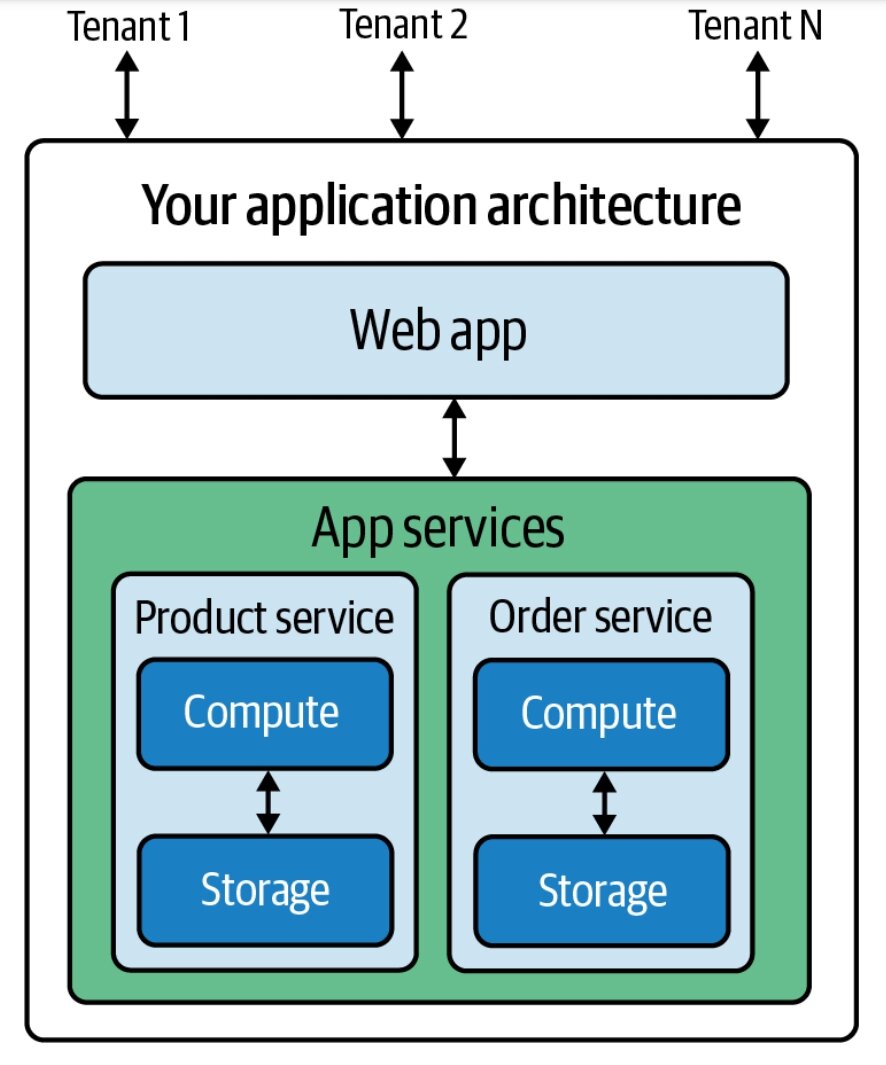
This flexibility is crucial in today's fast-paced environment. Businesses can adopt new tools quickly, integrate different services together, and focus their resources on their core operations instead of on managing software.
Now, let's test what you've learned.
What is the primary way users interact with a SaaS application?
In the pre-SaaS era, the user was typically responsible for software maintenance, updates, and security.
Understanding these fundamentals is the first step. Next, we'll dive into the specific features and benefits that make the SaaS model so compelling.