Understanding Root Canal Treatment
Tooth Anatomy
The Layers of a Tooth
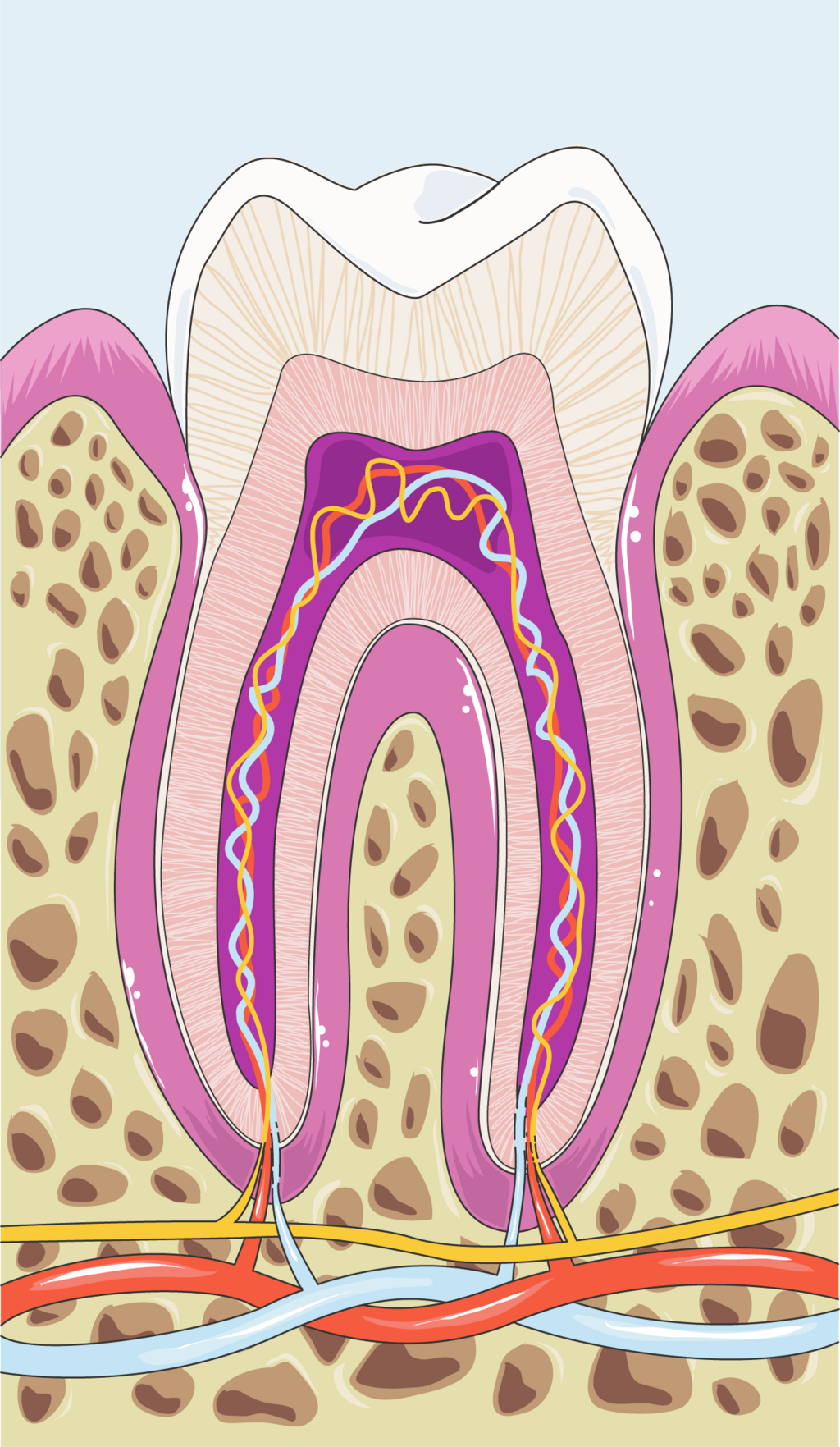
A tooth is more than just the white surface you see when you smile. It's a complex structure with several distinct layers, each playing a vital role in its health and function. Understanding these layers is the first step in learning how teeth work and what happens when they need treatment.
The Outer Shield: Enamel
The visible part of your tooth is covered by enamel. This is the protective outer shell, and it's the hardest substance in your entire body, even stronger than bone. Its main job is to withstand the pressure of chewing and shield the sensitive inner parts of the tooth from decay and extreme temperatures.
Enamel
noun
The hard, calcified tissue that forms the outermost layer of a tooth's crown.
The Supportive Core: Dentin
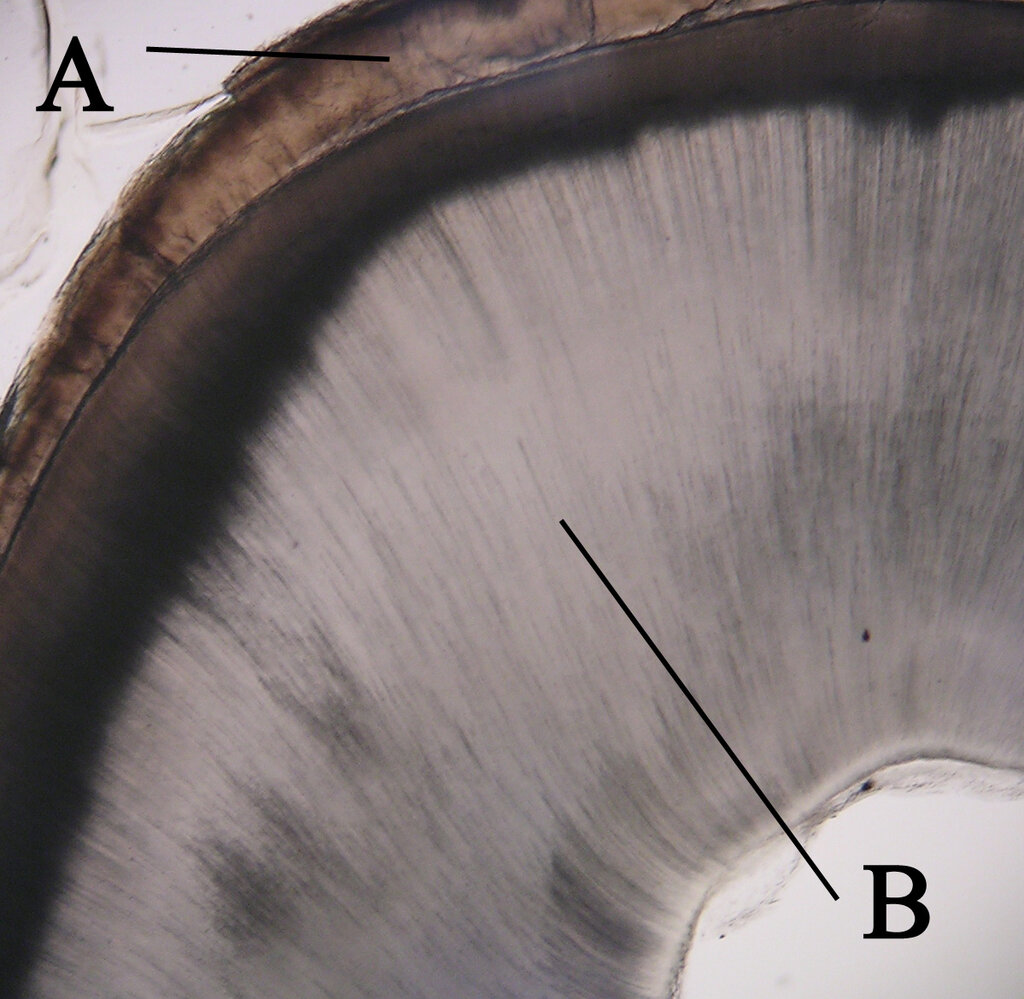
Just beneath the enamel lies the dentin, a layer of hard, yellowish tissue that makes up the bulk of the tooth. While it is hard, it's considerably softer than enamel.
Dentin isn't a solid mass. It's filled with thousands of microscopic tubules that lead directly to the tooth's nerve centre. If your enamel wears away, these tubules become exposed. This is what causes the sharp pain of tooth sensitivity when you eat or drink something hot, cold, or sweet.
The Living Centre: Pulp
At the very heart of the tooth is the pulp. This is the soft, living tissue containing nerves, blood vessels, and connective tissue. The pulp has two main parts: the pulp chamber, located in the crown, and the root canal, which is in the root.
The blood vessels in the pulp provide nutrients that keep the tooth alive and healthy. The nerves send signals to your brain, like pain, to alert you when something is wrong, such as decay reaching the tooth's core.
Pulp
noun
The soft, innermost part of a tooth, containing nerves and blood vessels.
The Anchor: The Root
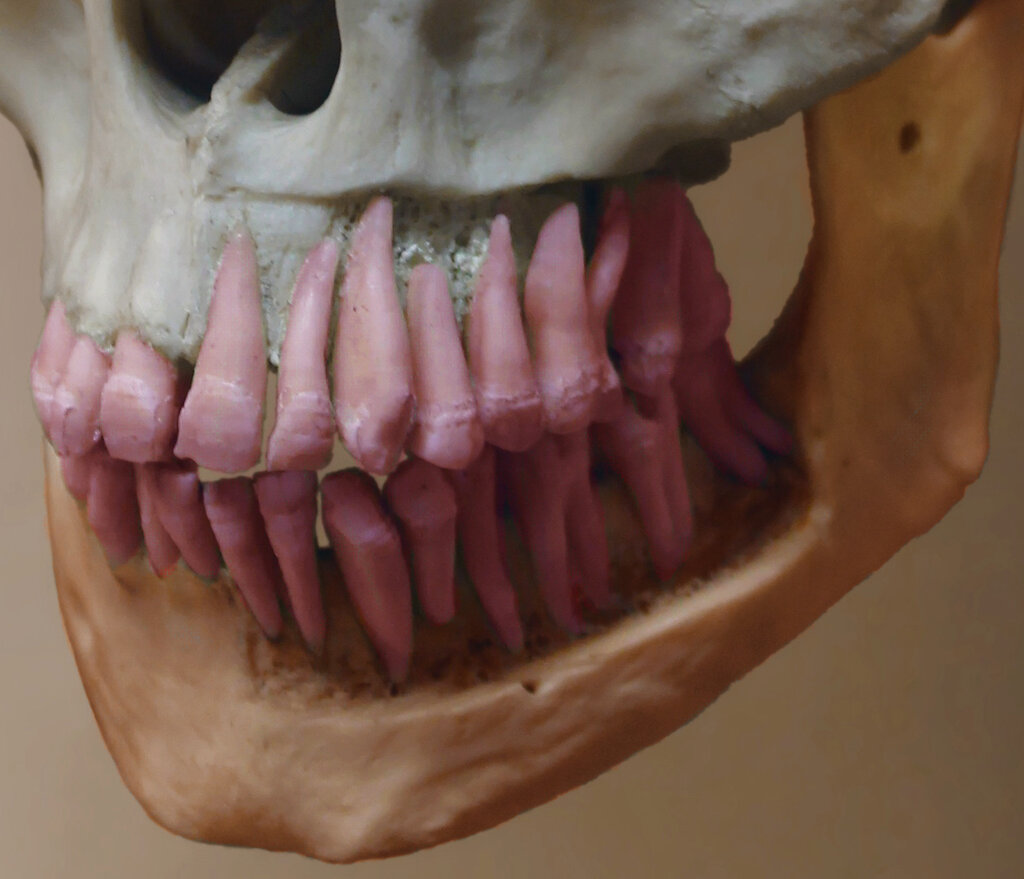
The root is the part of the tooth that extends into the jawbone, anchoring it firmly in place. It's typically hidden from view, buried beneath the gums. While the crown of the tooth is covered by enamel, the root is covered by a different hard tissue called cementum.
Cementum is attached to a structure called the periodontal ligament, which is a network of fibres that holds the tooth securely in its bony socket. A tooth can have one or more roots depending on its type and function. For example, your front teeth usually have a single root, while molars in the back can have two or three.
Each of these parts works together to create a strong, functional tooth. From the tough outer enamel to the living pulp deep inside, every layer is essential for biting, chewing, and speaking.
What is the hardest substance in the human body?
If you experience sharp pain when drinking something cold, which layer of the tooth, when exposed, is most likely causing this sensitivity?