Understanding Road Shoulders
Introduction to Road Shoulders
The Edge of the Road
When you think of a road, you probably picture the lanes where cars drive. But there's more to it than just the main path. The strips of pavement or gravel on either side of the travel lanes play a crucial, often overlooked role.
A road shoulder is the portion of a roadway adjacent to the primary travel lane.
Simply put, it's the edge area that separates the main flow of traffic from the roadside. You can find shoulders on all sorts of roads, from quiet country lanes to bustling multi-lane highways. They can be paved with the same asphalt as the road, or they might be made of different materials like gravel or compacted dirt.
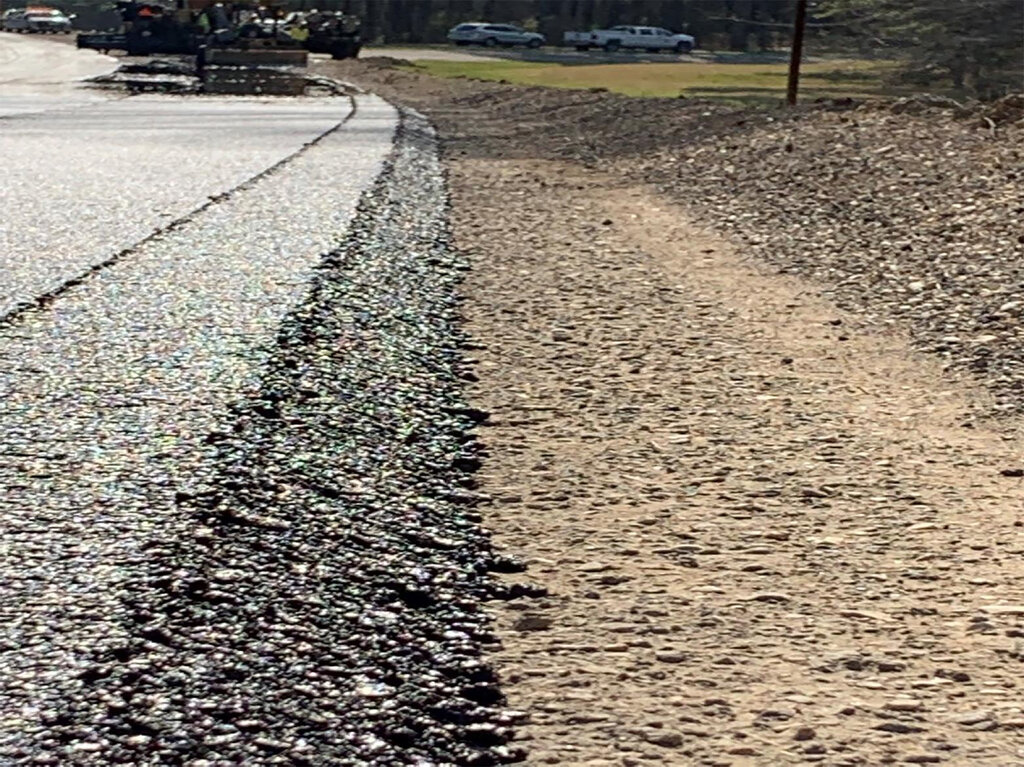
Why Shoulders Exist
So, what's the point of this extra space? The general purpose of a road shoulder is to improve safety and road efficiency. It provides a buffer zone between moving traffic and the immediate roadside, which could be a ditch, a guardrail, or a steep slope.
Imagine getting a flat tire on a busy highway. Without a shoulder, your car would be stuck in a live traffic lane, creating a dangerous obstacle for other drivers. The shoulder gives you a safe place to pull over, away from the risk of collision, to handle the emergency or wait for help.
A Universal Concept
The idea of a road shoulder is recognized in road design worldwide, though it goes by different names. In Serbia, for instance, it's known as the 'bankina'.
road shoulder
Regardless of the name, the fundamental concept remains the same: it's a designated space that contributes to the overall stability and safety of the roadway. It provides structural support to the pavement edge and offers a recovery area for drivers.