Understanding Required Minimum Distributions
Introduction to RMDs
The Government Wants Its Cut
For decades, you've saved money in retirement accounts, letting it grow tax-deferred. The government gave you a break, allowing your investments to compound without being taxed each year. But that deal doesn't last forever.
Once you reach a certain age, the IRS requires you to start withdrawing a specific amount from most of your retirement accounts each year. This is called a Required Minimum Distribution, or RMD. Think of it as the government's way of finally collecting the taxes you've been deferring for all those years.
Required Minimum Distribution
noun
The minimum amount you must withdraw from your retirement account each year after reaching a certain age, as mandated by the IRS.
The purpose is straightforward: to ensure that retirees don't use tax-deferred accounts to accumulate wealth indefinitely and pass it on to heirs without ever paying taxes. These accounts are meant for retirement income, and RMDs force that income to be distributed—and taxed.
Which Accounts Are Affected
RMD rules apply to most tax-deferred retirement plans, but not all accounts are created equal. The key distinction usually comes down to whether you paid taxes on the money before you put it in the account.
| Accounts WITH RMDs | Accounts WITHOUT RMDs |
|---|---|
| Traditional IRAs | Roth IRAs |
| SEP IRAs | Taxable Brokerage Accounts |
| SIMPLE IRAs | Health Savings Accounts (HSAs) |
| 401(k) Plans | |
| 403(b) Plans | |
| 457(b) Plans | |
| Profit-Sharing Plans |
The main exception you'll notice is the Roth IRA. Since contributions to a Roth IRA are made with after-tax money, the IRS has already gotten its share. As a result, it doesn't require you to take distributions during your lifetime.
Roth IRAs have no required minimum distributions (RMDs), allowing your investments to grow for as long as you desire.
The General Rules
The rules governing RMDs are precise. The most important one is the starting age.
You must start taking RMDs in the year you turn 73. However, the IRS gives you a little extra time for your very first one. You have until April 1 of the year after you turn 73 to take your first RMD. For every subsequent year, the deadline is December 31.
Keep in mind that if you delay your first RMD until that April 1 deadline, you will have to take two distributions in that year: one for the year you turned 73 and another for the current year. This could have significant tax consequences.
What happens if you miss the deadline or don't withdraw the full amount? The penalty is steep. The IRS can charge a penalty on the amount that wasn't withdrawn on time. This makes understanding and planning for your RMDs a critical part of managing your retirement finances.
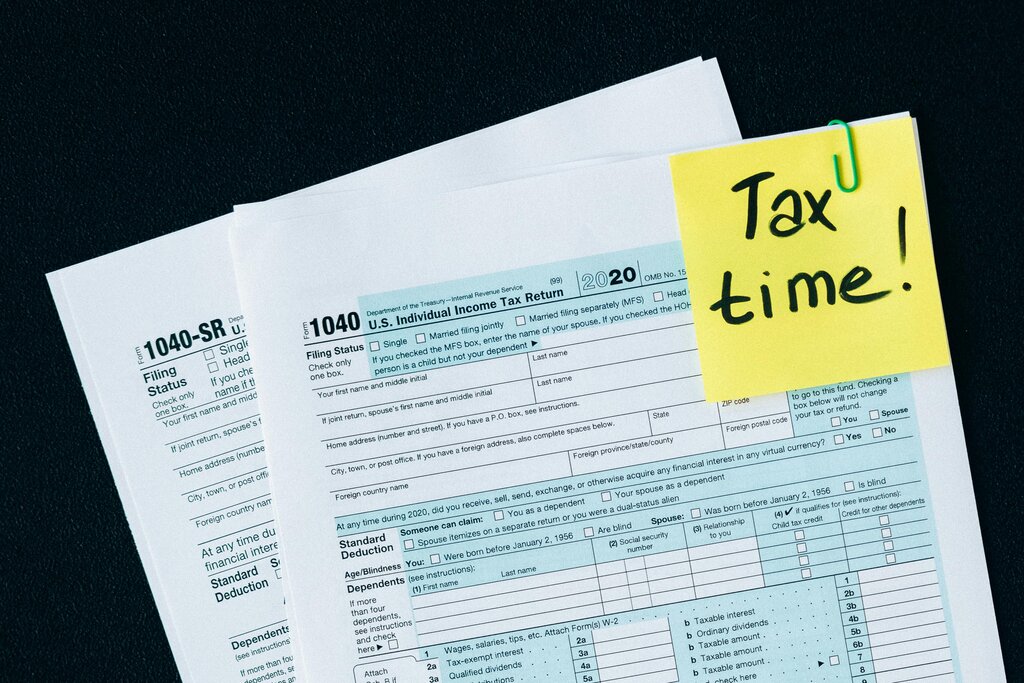
A common exception to the age 73 rule involves 401(k) plans. If you are still working for the company that sponsors your 401(k) and you don't own more than 5% of the company, you can typically delay taking RMDs from that specific account until you retire. This is known as the "still working" exception.
What is the primary reason the IRS requires individuals to take Required Minimum Distributions (RMDs)?
An individual turns 73 in August 2024. By what date must they take their first Required Minimum Distribution?
Understanding these foundational rules is the first step in managing your retirement income and staying compliant with tax law.