Understanding Recommendation Engines
Introduction to Recommendation Systems
Your Personal Curator
Think about the last time you discovered a new favorite song on Spotify or found the perfect movie on Netflix for a Friday night. Chances are, a recommendation system pointed you in the right direction. At its core, a recommendation system is a tool that predicts what a user might like, filtering through massive amounts of information to provide personalized suggestions.
Their main purpose is to enhance your experience. Instead of you having to sift through millions of products, articles, or videos, these systems act like a knowledgeable friend who knows your tastes. They help businesses keep you engaged by making it easier to find things you'll love, from products on Amazon to news articles on the web. This isn't just about convenience; it's a key part of how many modern digital services work.
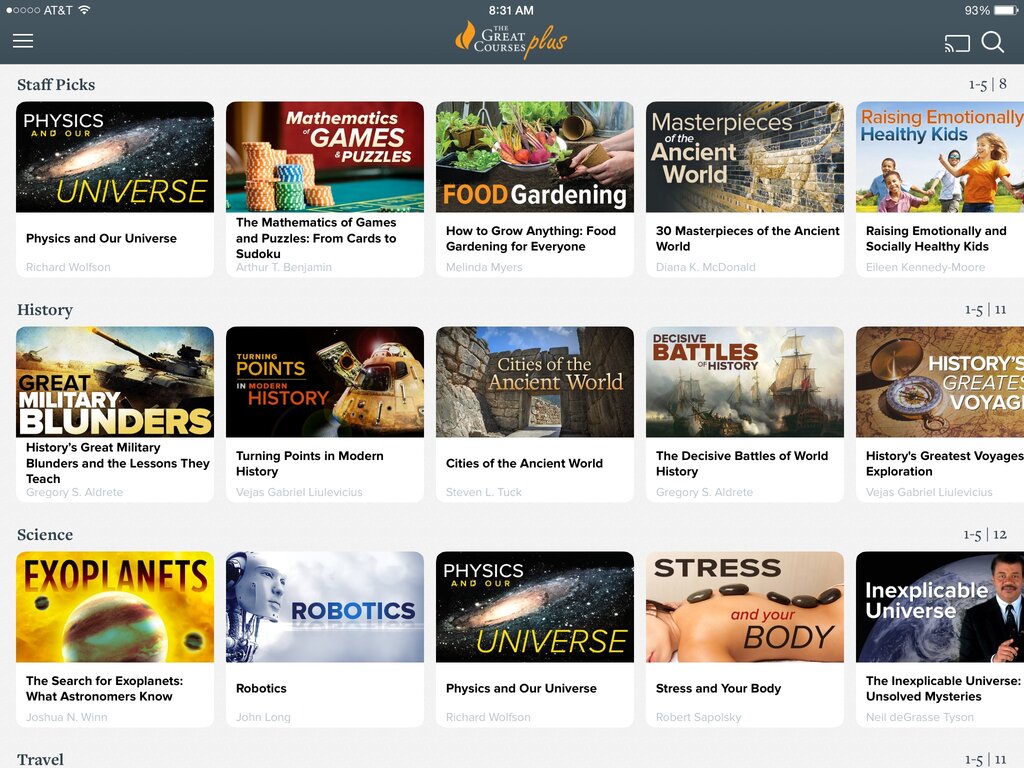
Early recommendation systems were quite simple, but they've evolved dramatically with the rise of e-commerce and streaming. Today, they are sophisticated engines that drive significant revenue and user satisfaction across countless industries.
How They Work
Most recommendation systems use one of three main strategies to generate their suggestions: looking at the item's characteristics, looking at what other people do, or a mix of both.
Content-Based Filtering: “Because you watched this action movie, you might like this other action movie.”
This approach focuses on the properties of the items themselves. If you read a book by a certain author, a content-based system might suggest other books by that same author. If you listen to a lot of upbeat pop music, it will recommend more songs with a similar tempo and genre. It works by creating a profile of your tastes based on the features of items you've previously liked.
Next, we have a method that relies on the wisdom of the crowd.
One popular approach to building recommendation systems is collaborative filtering.
Collaborative filtering works by finding people with similar tastes. The core idea is: "People who liked what you liked also tended to like this other thing." It doesn't need to know anything about the items themselves, only who liked what. If you and another person both love the same three obscure bands, the system might recommend a fourth band that they love but you've never heard of.
This approach is powerful because it can help you discover items that are different from what you've had before, a phenomenon often called serendipity.
Finally, why not combine the two? That's exactly what hybrid approaches do. They blend content-based and collaborative methods to leverage the strengths of both and minimize their weaknesses. For instance, a hybrid system could use collaborative filtering to find similar users but then use content-based methods to filter and rank those suggestions. This often leads to more accurate and robust recommendations.

By understanding these basic types, you can see the logic behind the suggestions you encounter every day.
What is the primary purpose of a recommendation system?
If a streaming service suggests a new song because it shares the same genre and artist as other songs in your playlist, which approach is it using?
These systems are a fundamental part of the modern internet, quietly shaping our digital lives by helping us navigate a world of endless choice.