Understanding Raynaud's Syndrome
Introduction to Raynaud's Syndrome
What Is Raynaud's Syndrome?
Raynaud's syndrome is a condition where blood flow to your extremities temporarily decreases. Think of your blood vessels as tiny hoses. In people with Raynaud's, these hoses sometimes constrict or spasm, a process called vasospasm. This dramatically reduces the blood supply to the affected areas.
While it's most famous for affecting fingers and toes, Raynaud's can also impact other parts of the body, such as the nose, lips, or ears. During an episode, the affected area can feel numb and cold to the touch.
Symptoms and Triggers
The most distinctive sign of a Raynaud's attack is a sequence of color changes in the skin. First, the area turns white as blood flow is cut off. Next, it may turn blue because the remaining blood loses its oxygen. Finally, as blood flow returns, the area often turns bright red and may be accompanied by a throbbing or tingling sensation, much like "pins and needles."
These episodes are set off by specific triggers. The most common are exposure to cold and emotional stress. This doesn't just mean being outside on a snowy day. Simple actions like reaching into a freezer, holding a cold drink, or even sitting in a strongly air-conditioned room can be enough to start an attack. Similarly, moments of high stress or anxiety can cause the same vasospasm response.
Two Types of Raynaud's
Doctors classify Raynaud's into two main categories: primary and secondary.
Primary Raynaud's, also known as Raynaud's disease, is the more common and generally milder form. It occurs on its own, without being linked to any other medical condition. It often begins in people between the ages of 15 and 30.
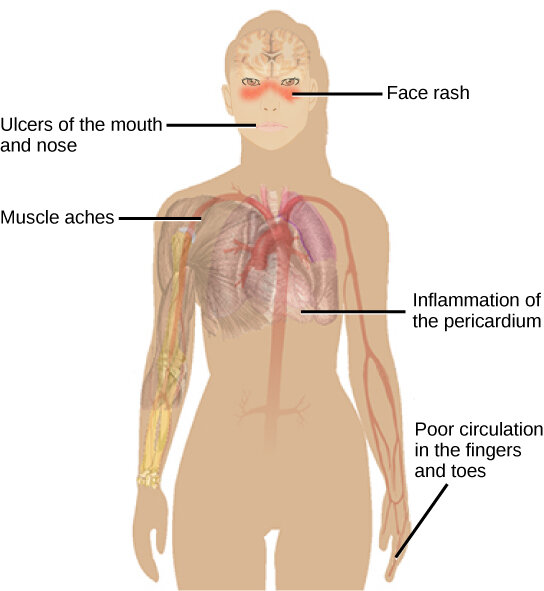
Secondary Raynaud's, or Raynaud's phenomenon, is less common but often more severe. This type is caused by an underlying issue. It can be associated with connective tissue diseases like lupus or rheumatoid arthritis, injuries to the hands or feet, or certain medications. It typically appears later in life than the primary form.
The key difference is that primary Raynaud's happens in isolation, while secondary Raynaud's is a symptom of another health problem.
What is the primary physiological process that causes Raynaud's syndrome?
What is the typical sequence of skin color changes during a Raynaud's attack?