Understanding Ransomware Attacks
Introduction to Ransomware
What is Ransomware?
Imagine a thief breaks into your house, not to steal your things, but to put them all in a locked safe. To get the key, you have to pay. Ransomware is the digital version of this. It’s a type of malicious software, or malware, that finds your important files—photos, documents, videos—and encrypts them, making them completely inaccessible.
Ransomware
noun
A type of malicious software that encrypts a victim's files. The attacker then demands a ransom from the victim to restore access to the data upon payment.
Once your files are locked, a message appears on your screen. This is the ransom note. It explains what has happened and demands a payment, usually in cryptocurrency like Bitcoin, in exchange for the decryption key needed to unlock your files. If the ransom isn't paid, the attackers might threaten to delete the files forever or release them publicly.
Ransomware is a malicious attack that leaves your data locked or encrypted by anonymous cybercriminals.
A Brief History
Ransomware isn't a new threat. The first known attack happened back in 1989. It was called the AIDS Trojan and was spread through floppy disks mailed to researchers. After a certain number of times the computer was booted up, the malware would hide directories and encrypt file names, demanding a payment of $189 be sent to a P.O. box in Panama.
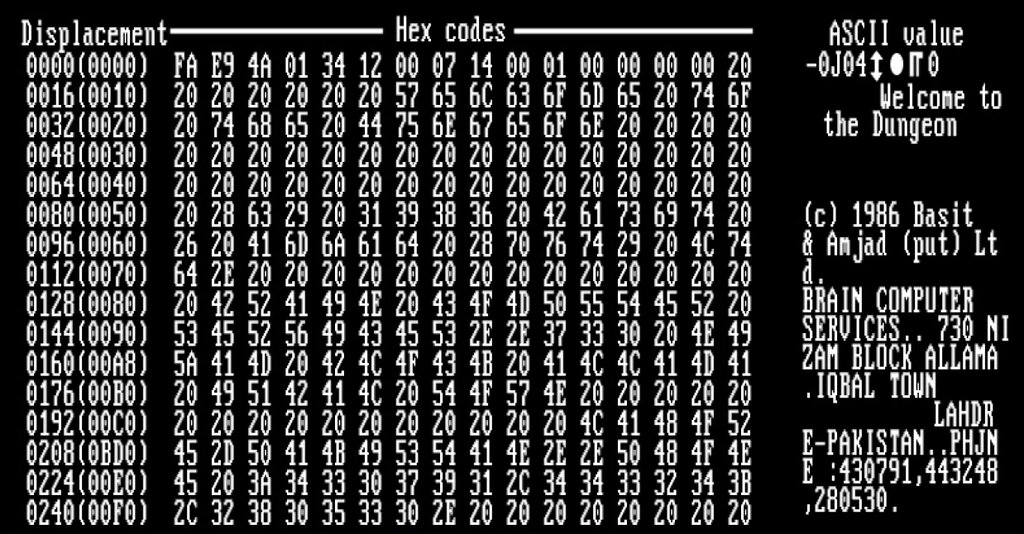
This early version was easy to defeat. The encryption was simple and could often be reversed without paying. But it laid the groundwork for what was to come.
The evolution of ransomware accelerated with the rise of the internet and the invention of untraceable digital currencies. Modern attacks use powerful encryption that is virtually impossible to break. Attackers can reach millions of potential victims instantly through email or compromised websites, and cryptocurrency allows them to receive payments anonymously.
How Ransomware Works
Most ransomware attacks follow a similar pattern. The process begins with getting the malware onto a victim's device.
This initial breach is often the result of human error. An employee might click a malicious link in a phishing email, download an infected attachment, or use a compromised USB drive.
Once inside, the ransomware gets to work. It quietly scans the computer, and sometimes the entire network, for valuable files. It targets common file types like .docx, .pdf, .jpg, and .xlsx. It then encrypts each file, replacing the original with a scrambled, unusable version.
With the damage done, the malware reveals itself by displaying the ransom note. The note creates a sense of urgency, often including a countdown timer. If the deadline passes, the ransom amount might double, or the decryption key could be deleted permanently.
This basic model of encrypting files and demanding a ransom has become increasingly sophisticated. Some attackers now practice "double extortion," where they not only encrypt the victim's data but also steal a copy of it first. They then threaten to leak the sensitive information online if the ransom is not paid, adding another layer of pressure.
Ransomware attacks often make headlines, and the worst part is that they target regular people, not just big corporations.
From individual users to multinational corporations, schools, and hospitals, no one is immune. Understanding the fundamentals of how these attacks operate is the first step toward protecting yourself.