Understanding Ransomware Attacks
Introduction to Ransomware
What Is Ransomware?
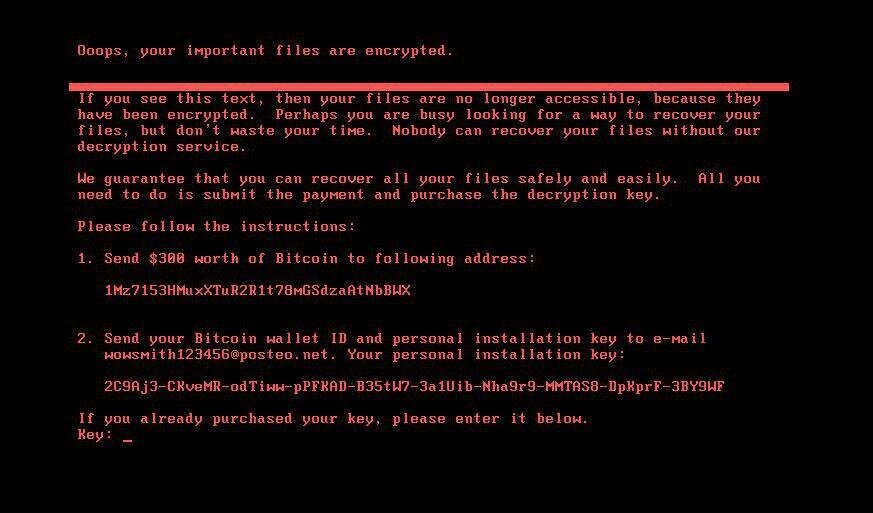
Imagine turning on your computer and finding a message that all your files—photos, documents, everything—are locked. You can't open them, you can't move them, and you can't even see what they are. The message says that to get them back, you have to pay someone money. This is ransomware in a nutshell.
ransomware
noun
A type of malicious software that blocks access to a victim's data, typically by encrypting it, until a ransom is paid.
Attackers use ransomware to extort money from their victims. By encrypting files, they hold your data hostage. If you pay the ransom, they promise to provide a decryption key that unlocks your files. If you don't, your data could be lost forever, or worse, leaked publicly.
Ransomware is a malicious attack that leaves your data locked or encrypted by anonymous cybercriminals.
The payments are almost always demanded in cryptocurrency, like Bitcoin, because it's harder to trace than traditional bank transfers. This anonymity helps the criminals get away with it.
A Brief History of Ransomware
Ransomware isn't a new threat. The first known attack, called the AIDS Trojan, happened back in 1989. It was distributed on floppy disks and, after a certain number of reboots, would encrypt file names on the victim's computer. The creator demanded $189 be sent to a P.O. box in Panama to reverse the damage.
For a long time, these kinds of attacks were rare and relatively unsophisticated. That all changed with the rise of the internet and cryptocurrency.
Modern ransomware became a major threat in the 2010s, with attacks growing more complex and widespread.
One of the most infamous examples is WannaCry, which spread across the globe in 2017. It exploited a vulnerability in older Windows systems and infected hundreds of thousands of computers in over 150 countries. It crippled hospitals, businesses, and government agencies, causing billions of dollars in damage.
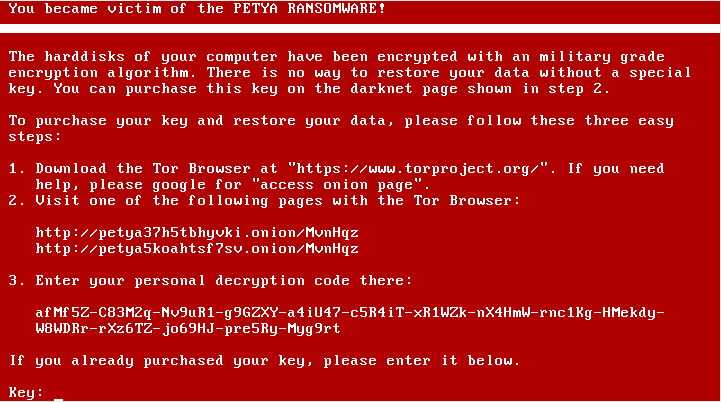
Another major attack was NotPetya, also in 2017. Initially disguised as ransomware, its true purpose appeared to be data destruction, as paying the ransom didn't actually recover the files. It caused massive disruption, especially in Ukraine, and highlighted how these attacks could be used for geopolitical purposes, not just financial gain.
The Impact on People and Organizations
For an individual, a ransomware attack can be devastating. It could mean losing precious family photos, important financial documents, or creative work that can't be replaced. The feeling of violation is immense, and the decision of whether to pay the criminals is a stressful one.
For organizations, the stakes are even higher. A successful attack can bring a business to a complete halt. Hospitals have had to cancel surgeries, cities have had their public services shut down, and companies have lost access to critical operational data. The costs aren't just the ransom itself; they include downtime, recovery efforts, and damage to their reputation.
The threat has also evolved. Attackers no longer just encrypt data. Now, they often steal a copy of it first. This tactic, known as double extortion, adds another layer of pressure. If the victim doesn't pay, the attackers threaten to release the sensitive information online, which could include customer data, trade secrets, or embarrassing internal communications.
Now, let's test your understanding of these fundamental concepts.
What is the primary action ransomware takes to make a victim's files inaccessible?
Why do ransomware attackers typically demand payment in cryptocurrency like Bitcoin?
Understanding what ransomware is and where it came from is the first step in learning how to protect yourself.