Understanding Puberty and Healthy Relationships
Understanding Puberty
The Start of a Big Change
Puberty is the bridge between childhood and adulthood, a time of rapid physical and emotional growth. It's a universal human experience, but the timing and specifics are unique to each person. This entire process is orchestrated by hormones, chemical messengers that tell your body it's time to mature.
Puberty is the biological process that marks the beginning of adolescence, bringing about rapid changes in the body that are often noticeable and sometimes startling.
Think of it not as a single event, but as a gradual series of changes that unfold over several years. Understanding what's happening can make the journey smoother.
Hormones Take the Lead
The command center for puberty is the brain. A small area called the hypothalamus starts releasing a hormone called Gonadotropin-releasing hormone (GnRH). This is the starting pistol for the entire process.
GnRH travels to the nearby pituitary gland, signaling it to release two more hormones into the bloodstream: Luteinizing hormone (LH) and Follicle-stimulating hormone (FSH). These hormones then travel to the gonads—the ovaries in females and the testes in males.
In response, the gonads increase production of the primary sex hormones. In females, the ovaries produce estrogen. In males, the testes produce testosterone. These are the hormones responsible for most of the noticeable changes of puberty.
| Hormone | Source | Primary Role in Puberty |
|---|---|---|
| GnRH | Hypothalamus | Starts the entire hormonal cascade |
| LH & FSH | Pituitary Gland | Stimulate the ovaries and testes |
| Estrogen | Ovaries | Drives female development (e.g., breast growth, menstruation) |
| Testosterone | Testes | Drives male development (e.g., voice deepening, muscle mass) |
Physical Transformations
The surge of estrogen and testosterone leads to the development of secondary sexual characteristics. These are the physical traits that distinguish male and female bodies, apart from the reproductive organs themselves.
Common Changes for Everyone:
- Growth Spurt: A rapid increase in height and weight.
- Body Hair: Hair appears under the arms and in the pubic region.
- Skin Changes: The oil and sweat glands become more active, which can lead to acne and a change in body odor.
Typical Changes in Females:
- Breast Development: The first sign of puberty for most girls.
- Widening Hips: The pelvis broadens to prepare for potential childbirth.
- Menstruation: The start of the monthly menstrual cycle, also known as menarche.
Typical Changes in Males:
- Voice Deepening: The larynx (voice box) grows, causing the voice to crack and eventually deepen.
- Muscle Growth: An increase in muscle mass and strength.
- Facial Hair: Hair begins to grow on the face, starting on the upper lip.
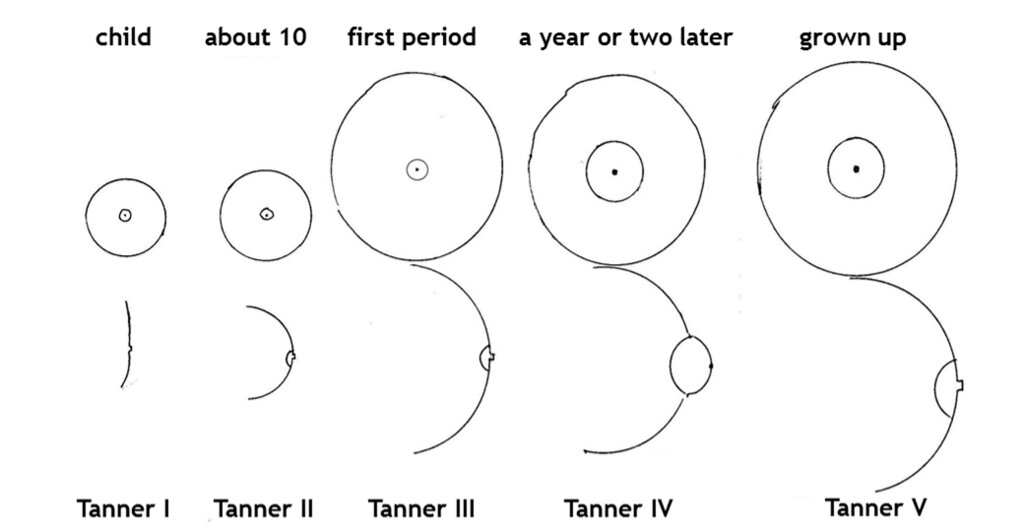
It's important to remember that everyone's timeline is different. Puberty can start as early as age 8 or as late as age 14, and the sequence of events can vary. There is no "right" way for it to happen.
The Emotional Rollercoaster
Puberty isn't just a physical journey; it's an emotional one, too. The same hormones that change your body also affect your brain and your feelings. It's common to experience mood swings, feeling happy one moment and sad or irritable the next. This is a direct result of the fluctuating hormone levels.
Psychologically, this is a time of major development. You might find yourself becoming more self-conscious about your changing body or comparing yourself to your peers. It's also when you start to form a stronger sense of your own identity—who you are and where you fit in the world. Friendships might shift, and you may develop new interests, including romantic ones.
Coping with these changes involves a few key strategies:
- Talk to someone: Share what you're feeling with a trusted adult—a parent, teacher, or counselor. Knowing you're not alone makes a huge difference.
- Get enough sleep: Sleep is crucial for both physical growth and emotional regulation. Aim for 8-10 hours per night.
- Stay active: Physical activity can boost your mood and help you feel more comfortable in your changing body.
- Be patient with yourself: Remember that puberty is a temporary phase. The emotional intensity will level out as your body adjusts to its new hormonal balance.
Ready to check your understanding of the changes during puberty?
What is the correct sequence of hormone release that initiates the process of puberty?
Which of the following physical changes is common to everyone during puberty, regardless of sex?
Navigating puberty is a significant step in life. By understanding the biological, emotional, and psychological changes, you can approach this phase with confidence.