Understanding Psychological Influence and Persuasion
Introduction to Persuasion
The Art of Connection
Every day, we try to connect with others and share our ideas. Whether we're discussing dinner plans with family, pitching a project at work, or even just recommending a book to a friend, we're engaging in a fundamental human interaction: persuasion.
persuade
verb
To cause someone to do or believe something through reasoning or argument.
Persuasion isn't about tricking or forcing people. It's about presenting your perspective in a way that resonates with them. It's a skill built on understanding, clear communication, and finding common ground. At its best, persuasion is a collaborative process that leads to better decisions for everyone involved.
Think of persuasion as building a bridge between your idea and another person's mind. You can't push them across; you have to invite them to walk with you.
Why Persuasion Matters
Persuasion is a core part of daily life, often in ways we don't even notice. It's the engine behind teamwork, leadership, and social change. When a non-profit organization asks for donations, they are using persuasion to highlight the importance of their cause. When a doctor explains a treatment plan, they are persuading a patient to follow their medical advice for a better health outcome.
From negotiating a salary to convincing your friends to try a new restaurant, your ability to effectively share your viewpoint is crucial. It helps you advocate for yourself, support others, and navigate the complex social world we live in.
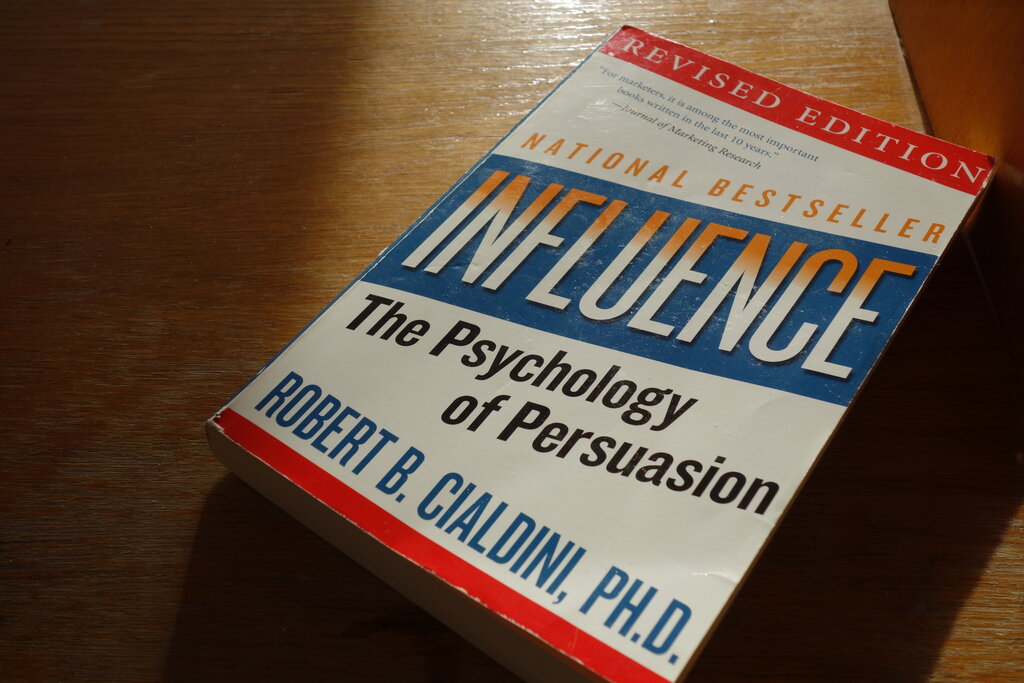
Understanding how persuasion works doesn't just make you a better communicator. It also helps you become a more discerning listener. You can recognize when someone is trying to influence you, analyze their arguments, and make more informed decisions for yourself.
The Mind's Shortcuts
So how does persuasion actually work? It taps into the way our brains are wired. We are constantly flooded with information and decisions. To cope, our minds create mental shortcuts, or heuristics, to help us make choices quickly without having to analyze every single detail.
For example, we tend to agree with people we like. We often trust the word of an expert. And if we see many other people doing something, we assume it's probably a good idea. These aren't logical fallacies; they're efficiency tools for our brains.
Effective persuasion often works by appealing to these shortcuts. An argument might highlight an expert endorsement (appealing to our trust in authority) or show testimonials from happy customers (appealing to our tendency to follow the crowd, also known as social proof).
By understanding these basic psychological foundations, we can begin to see persuasion not as a mysterious art, but as a practical skill based on predictable patterns of human behavior.
According to the text, what is the primary goal of persuasion?
The text explains that our brains use mental shortcuts to make decisions more efficiently. What is the term used for these shortcuts?