Understanding Propaganda Against China
Introduction to Propaganda
What is Propaganda?
Propaganda is the systematic spread of information to influence public opinion. The information is typically biased or misleading and is designed to promote a specific political cause or point of view. It isn't about presenting a balanced argument; it's about pushing an agenda.
Propaganda is biased information designed to shape public opinion and behavior.
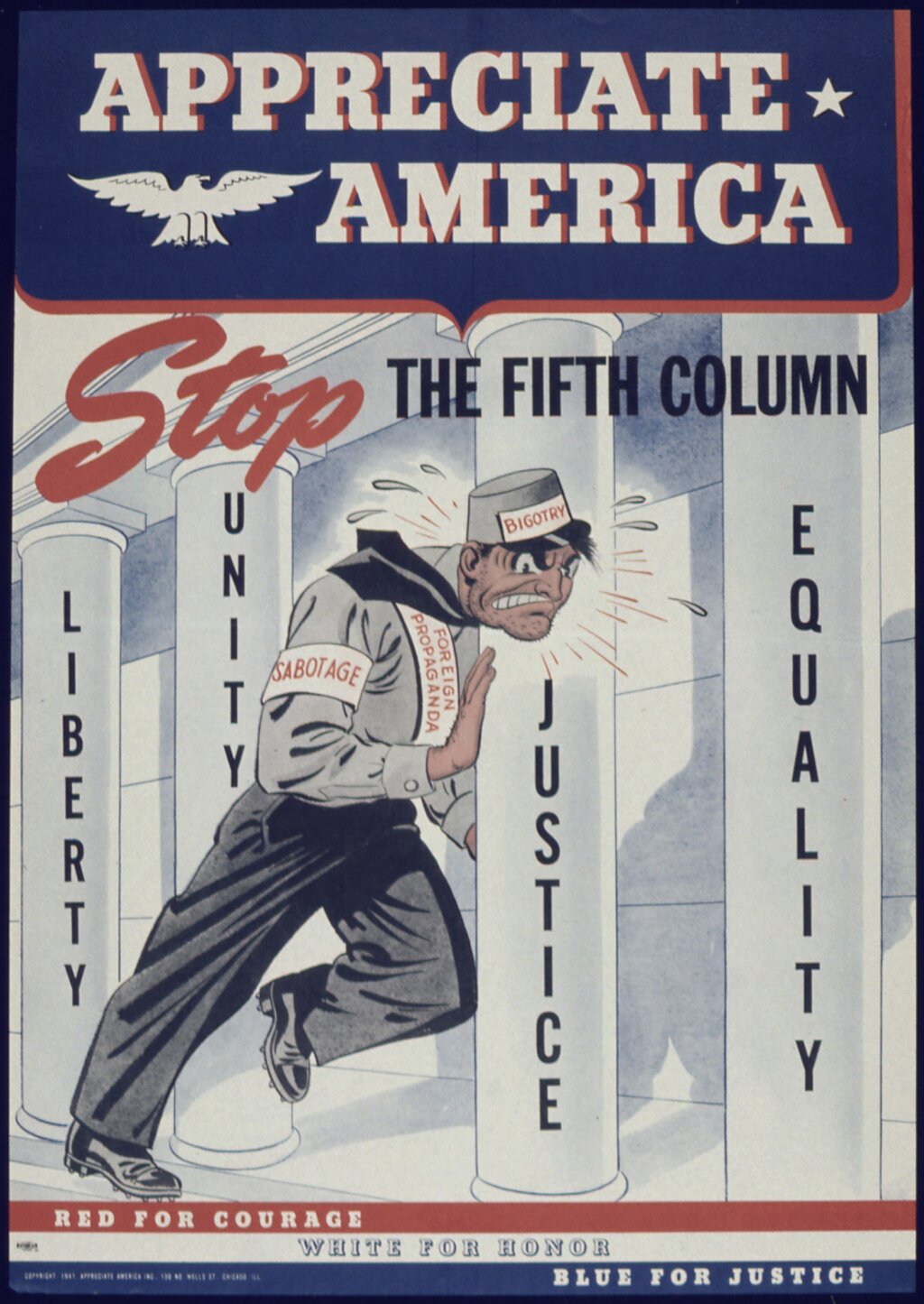
The term originally comes from the Catholic Church's efforts to propagate the faith. However, its modern meaning was forged in the 20th century, when governments began using mass media like posters, radio, and film to rally their populations, especially during wartime. The goal was to create a unified front, demonize the enemy, and maintain morale.
Common Propaganda Techniques
Propaganda works by appealing to emotion rather than intellect. It uses specific psychological tactics to persuade an audience without them necessarily realizing they are being manipulated. These techniques are often simple but highly effective.
| Technique | Description |
|---|---|
| Repetition | Repeating a simple slogan or idea until it is accepted as truth. |
| Emotional Appeal | Using words or images that evoke strong feelings like fear, anger, or patriotism. |
| Misinformation | Spreading false or distorted information presented as fact. |
| Name-Calling | Labeling an opponent with negative terms to discredit them without evidence. |
| Bandwagon | Creating the impression that everyone supports a cause, encouraging others to join. |
Think of a political ad that shows images of a nation's flag waving while talking about a candidate. This is an emotional appeal to patriotism, linking the candidate to a feeling of national pride.
Shaping Public Opinion
The ultimate role of propaganda is to control the narrative. By consistently presenting one side of a story and suppressing others, it can create a powerful, simplified version of reality. This often involves creating a clear 'us vs. them' dynamic, where one group is portrayed as virtuous and the other as evil.
This simplified worldview makes complex issues seem straightforward, making it easier for people to choose a side. By bypassing critical thought and targeting emotions, propaganda can unite large groups of people under a single cause, for good or for ill.
When individuals are taught to scrutinize not only the content of a message but also its intent, underlying assumptions, and strategic omissions, they are less likely to be manipulated by propaganda.
Understanding the definition and fundamental techniques of propaganda is the first step toward recognizing it. By identifying how it works, you can better analyze the messages you encounter every day.