Understanding Polysorbates
Polysorbates Overview
The Bridge Between Oil and Water
We all know the old saying: oil and water don't mix. It's a fundamental principle we see in salad dressings and puddles after a rainstorm. The two liquids naturally separate, with the less dense oil floating on top of the water. But what if you needed them to cooperate? In chemistry and manufacturing, this is a common challenge.
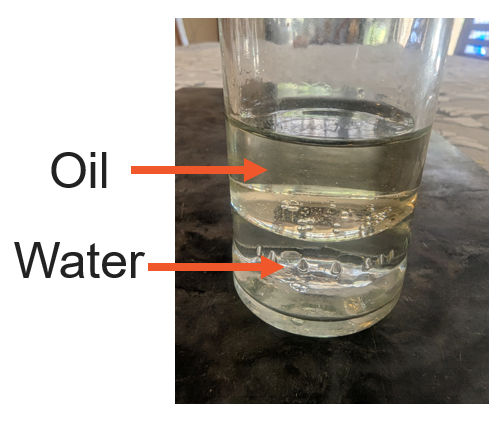
This is where a special class of compounds called polysorbates comes in. Think of them as molecular diplomats, capable of convincing oil and water to get along. Polysorbates are a type of nonionic surfactant, meaning they reduce the surface tension between two liquids without carrying an electrical charge. Their power lies in their dual nature.
Every polysorbate molecule is amphiphilic—a term that describes having two distinct personalities. One part of the molecule is hydrophilic, or “water-loving,” and is drawn to water. The other part is lipophilic, or “oil-loving,” and prefers to be in an oily environment. This unique structure is the key to their versatility.
Emulsifiers and surfactants are amphiphilic molecules that adsorb at the oil-water interface, reducing interfacial tension and providing stability
At their core, polysorbates are derived from that have been treated with ethylene oxide, a process known as ethoxylation. This chemical modification creates the distinct water-loving and oil-loving regions within a single molecule.
A Molecular Peacemaker
When a polysorbate is added to an oil and water mixture, its molecules naturally align themselves at the interface between the two liquids. The lipophilic heads embed themselves in the oil droplets, while the hydrophilic tails extend out into the surrounding water. This arrangement creates a stable barrier around each oil droplet, preventing them from clumping back together.
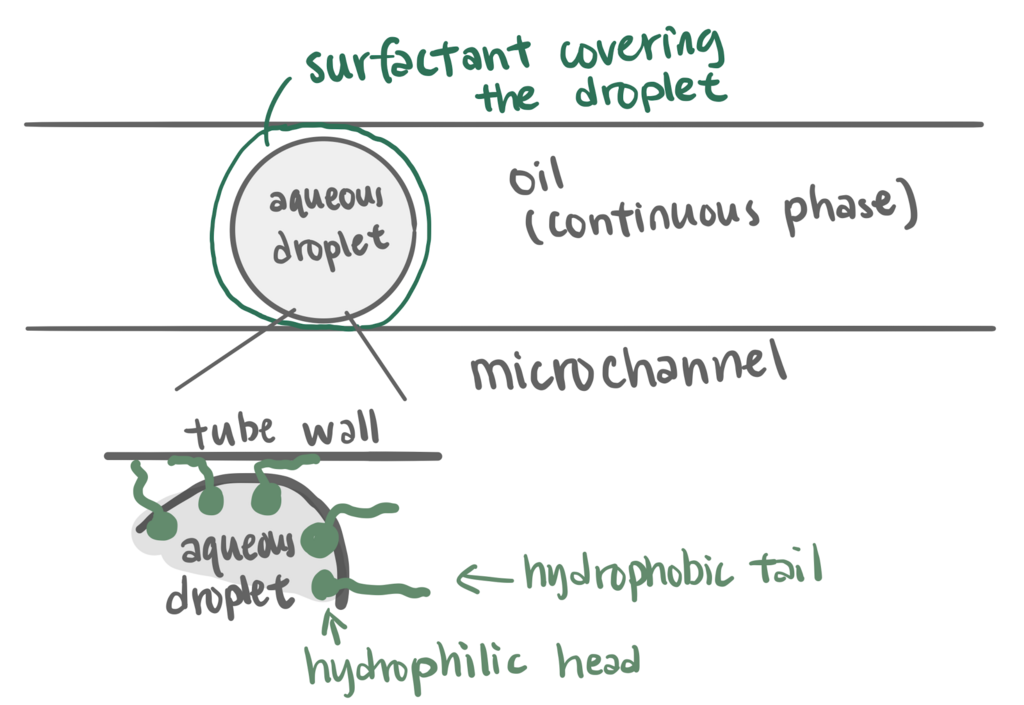
By lowering the interfacial tension, polysorbates make it much easier to disperse one liquid within another, creating a stable mixture known as an emulsion. This ability to bridge the gap between incompatible substances is what makes them such indispensable tools in chemistry. They are foundational compounds that enable the creation of countless products that rely on stable, uniform mixtures.
This fundamental principle underpins their widespread use, allowing formulators to control the texture, stability, and performance of products where oil and water must coexist peacefully.