Understanding Polysorbates
Polysorbates Introduction
Meet the Polysorbates
You already know about surfactants: the clever molecules that act as a bridge between oil and water. Their nature, having both a water-loving (hydrophilic) head and an oil-loving (lipophilic) tail, allows them to reduce the surface tension between two otherwise unmixable liquids. This unique skill makes them essential for creating stable mixtures.
Surfactants, surface active agents, are organic molecules with a lipophilic end and a polar end that emulsify and disperse oil and grease.
Now, let's zoom in on a specific and widely used class of these molecules: polysorbates. Polysorbates are non-ionic surfactants, meaning their water-loving head has no electrical charge. This lack of charge makes them very stable and less likely to irritate skin, which is a big reason why they're so popular.
They are created from sorbitan, a derivative of sorbitol (a sugar alcohol), which is then treated with ethylene oxide and bonded with fatty acids. This process results in a molecule perfectly designed for its job.
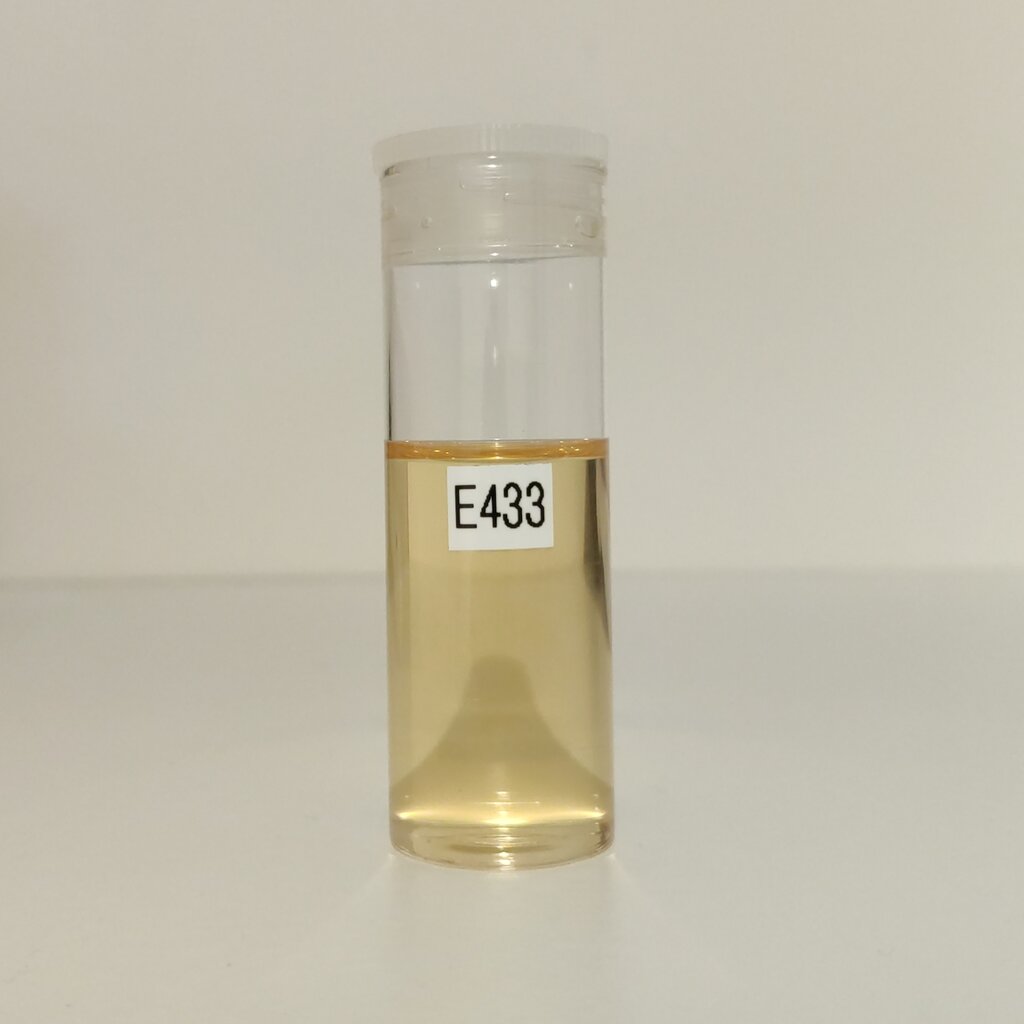
Masters of the Mix
The primary functions of polysorbates are and solubilization. They are exceptionally good at helping oil-based ingredients dissolve evenly into water-based formulas, and vice versa. Without an emulsifier, a product like salad dressing would quickly separate into layers of oil and vinegar.
This ability is crucial in countless products. In cosmetics, polysorbates help mix fragrances (which are often oil-based) into water-based lotions and sprays. In the food industry, they keep ice cream smooth by preventing ice crystals from forming and ensure that baked goods have a consistent texture and volume.
By understanding their role as non-ionic surfactants, we can see why polysorbates are such versatile and effective tools in product formulation.