Understanding Political Systems
Introduction to Political Systems
The Rules of the Game
Every society needs a way to make decisions, manage disagreements, and get things done. Think of it as a country's operating system. This framework of rules, institutions, and practices is its political system. It's the formal structure that determines who has power, how they get it, and what they can do with it.
At its core, a political system answers fundamental questions: Who makes the laws? How do leaders get their jobs? And how much say do ordinary people have in how their country is run? The answers to these questions vary wildly around the world, creating different types of governments.
Democracy Rule by the People
In a democracy, the ultimate source of power is the people. The government's authority comes from the consent of the governed. Citizens participate in their own governance, usually by choosing representatives to make decisions on their behalf. The core idea is that the government should reflect the will of the majority while protecting the rights of the minority.
Power in a democracy flows upward from the citizens to the government, not the other way around.
The main function of a democratic system is to serve the people. Decision-making often involves open debate, compromise among different groups, and a system of laws that applies to everyone, including the leaders themselves.
Monarchy Rule by One
A monarchy is a system where a single person, the monarch, holds supreme authority. This power is not earned or chosen by the people but is inherited, passed down through a royal family line. The monarch is the head of state for life or until they abdicate.
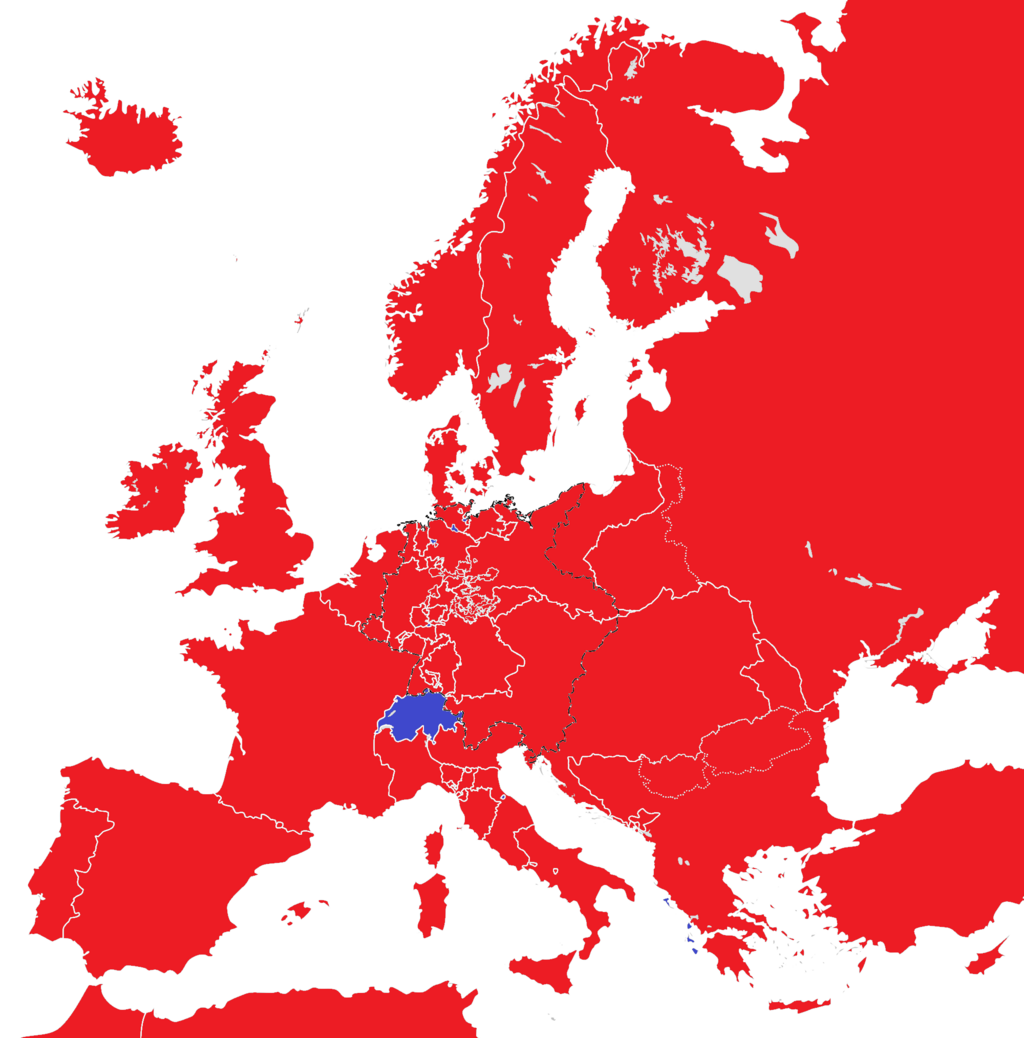
The structure of monarchies varies greatly. In an absolute monarchy, the monarch has unchecked power and makes all decisions. In a constitutional monarchy, the monarch is a symbolic head of state, while a separate governing body, like a parliament, holds the real political power. In this setup, the monarch's role is largely ceremonial, and they act within the limits of a constitution.
Authoritarianism Rule by the Few
Authoritarian systems concentrate power in the hands of a single leader or a small elite group that is not constitutionally accountable to the people. Unlike in a democracy, citizens have little to no say in who governs them or how they are governed. The state's power is vast, and individual freedoms are often limited to prevent challenges to the regime's authority.
Regime
noun
A government, especially an authoritarian one.
In these systems, decision-making is top-down and centralized. The government controls many aspects of life, including the economy, the media, and social organizations. The primary function of an authoritarian government is to maintain its own power and control over the country. The interaction between the system and its citizens is one of command and obedience, rather than participation and consent.
| System | Source of Power | Key Function |
|---|---|---|
| Democracy | The People | Represent citizen will |
| Monarchy | Heredity | Maintain tradition/dynasty |
| Authoritarianism | The State / A Small Group | Maintain power and control |
Understanding these basic models is the first step in seeing how different societies organize themselves. Each system provides a different answer to the fundamental question of who gets to rule.